All Stories by Andrea Tamayo
- Health & Medicine
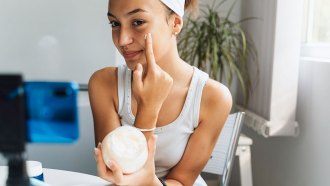
TikTok skincare routines may cause more harm than good
Many videos used lots of costly skincare products full of potential irritants. And most left out the most important way to care for your skin: sun protection.
- Animals
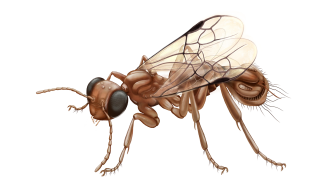
The rear end of this ancient wasp was built like a Venus flytrap
The newfound wasp species — from 99 million years ago — likely laid eggs on the small creatures that would have been caught in this trap.
- Brain
Brain cells that make you feel full also make you crave dessert
If you want a sweet treat when you feel full after a big meal, blame your brain. Tests in mice and people suggest that the same cells signal satiety and a hunger for sugar.
- Animals
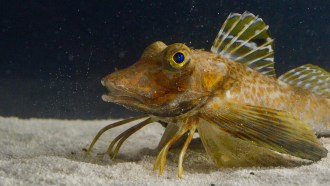
Some fish have legs that can taste prey underfoot
Taste buds on those legs may explain why northern sea robins are so good at finding food that is buried in the sandy seafloor.
- Animals
Analyze This: When do cats move like liquids?
Cats flow through narrow openings but hesitate before short openings. That may help them avoid unseen danger in the wild.
- Brain
Could the magic of memory manipulation ever become real?
Someday, technology might be able to help people better hold onto memories or forget bad ones.
- Animals
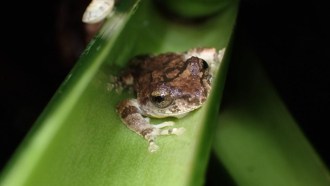
To keep their pools clean, some tadpoles don’t poop for weeks
Eiffinger’s tree frog tadpoles store their solid waste in an intestinal pouch. This releases less toxic ammonia into their watery cribs.
- Chemistry
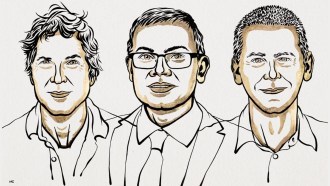
Predicting and designing protein structures wins a 2024 Nobel Prize
A biochemist and two computer scientists using AI shared the top award in chemistry.
- Animals
Elusive worm-lizards sport weird, spooky skulls
CT scans of these mysterious creatures turned up bizarre internal features. They could offer clues about amphisbaenians’ largely unknown behavior.
- Animals
Swimming in schools lets fish save lots of energy
Each tail flap uses less than half as much energy than swimming solo, making it easier for fish to catch their breath after an underwater sprint.