
All Stories by Bethany Brookshire
- Animals
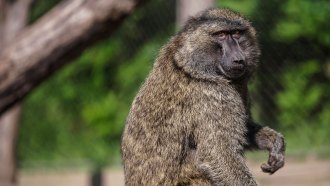
Monkeys might share our instincts for math
To show how monkeys think about math and shapes, scientists had them play games — including some designed by kids.
- Health & Medicine
The sweet truth about carbohydrates
Many carbohydrates are important sources of energy, while others offer little benefit. Learn why not all carbs are the same and how our bodies use them.
- Chemistry
Not all that tastes sweet is sugary
We’re naturally drawn to sweet foods and drinks. Scientists have designed several ways to make things taste sweet with little or no sugar.
- Animals
Frozen poop reveals Ice Age squirrels’ ecosystem
Ancient ground squirrels were anything but picky eaters. Genetic material from grasses to woolly mammoths popped up in frozen squirrel poop.
- Animals
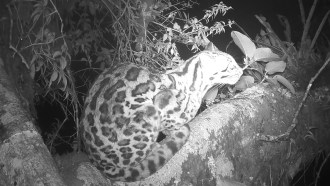
This tree is the number one choice for forest mammals going number two
The strangler fig provides food and shelter for animals in the tropics. For at least 17 mammal species, it also serves as a toilet.
- Science & Society
What’s so noble about the Nobel Prize?
The Nobel Prize might be the one science prize you’ve heard about. But does it really recognize the most important science?
- Humans
Forget droplets. Here’s how sweat really forms
This is the most detailed look yet at how we perspire. Beads of sweat are out, puddling is in.
- Animals
What dogs see on TV depends on their temperament
Breed, age or sex didn’t seem to matter in how dogs reacted to TV, but personality did. That’s according to a survey of more than 400 dog owners.
- Health & Medicine
Explainer: What is cancer?
Cancer is a whole collection of diseases with one thing in common: all develop when the body’s cells start dividing out of control.
- Health & Medicine
Can you really die of a broken heart?
Death by heartbreak doesn't just happen in stories. In real life, severe stress can cause takotsubo syndrome — a sometimes fatal heart problem.
- Ecosystems
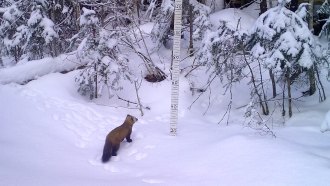
There’s life beneath the snow — but it’s at risk of melting away
The organisms that make winter homes in this subnivium help forests thrive year-round. But climate change is making this ecosystem disappear.
- Brain
This neuroscientist looks at how your brain plans for the future
Freek van Ede studies how the brain selects information to plan for the future. He’s finding clues in the tiny movements people make with their eyes.