Analyze This!
Exploring science through data, graphs, visualizations and more.
- Earth
Analyze This: Wildfires are pumping more pollution into U.S. skies
Researchers wanted to study the health effects of wildfire smoke. But they realized they didn’t know where it was and how much exposure people had.
- Animals
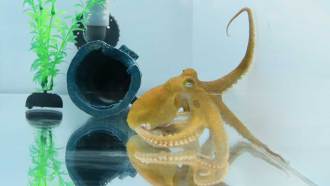
Analyze This: Octopuses may use favorite arms for grabbing meals
Understanding how octopuses control all their arms could provide clues for engineers building soft robots.
- Animals
Analyze This: Bulky plesiosaurs may not have been bad swimmers after all
Long-necked plesiosaurs were thought to be slow swimmers. But new research suggests the animals’ large size helped them overcome water resistance.
- Planets
Analyze This: Some 5,000 planets orbit stars other than our sun
A new cache of confirmed exoplanet discoveries marks a milestone in planets found beyond our solar system.
- Environment
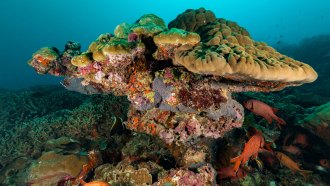
Analyze This: Corals stash microplastics in their skeletons
Scientists have wondered where the ocean’s microplastic pollution ends up. Corals may trap about 1 percent of particles in tropical waters each year.
- Animals
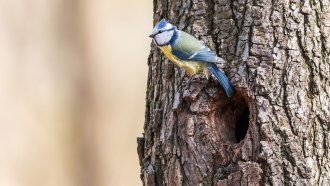
Analyze This: Birds may decorate nests to scare off rivals
Birds that nest in holes face stiff competition for nest sites. Some use feathers, also found where predators have made a kill, to keep rivals away.
- Physics
Analyze This: Masks cut the distance that spit droplets fly
Both cloth masks and surgical masks reduced the distance spit traveled from a person talking or coughing by at least half, compared with no mask.
- Materials Science
Analyze This: This material for 3-D printing is made by microbes
Bacteria with tweaked genes pump out proteins that can be used in a 3-D printer. With microbes in the mix, the living ink can make drugs or suck up chemicals.
- Earth
Analyze This: Nutrients from sewage may harm coastal ecosystems
A new model suggests that 58 percent of coral reefs and 88 percent of seagrass beds are exposed to excess nitrogen from wastewater.
- Materials Science
Analyze This: Hardened wood can make sharp steak knives
Researchers treated wood to make it hard and dense. Out of it, they carved sharp knives and nails that could substitute for ones made of steel.
- Animals
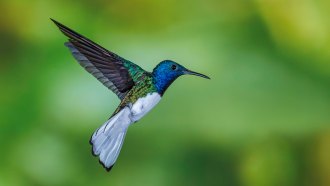
Analyze This: Some female hummingbirds go undercover
Some female white-necked jacobin hummingbirds boast bright blue colors similar to males. That may help females blend in to avoid attacks.
- Animals
Analyze This: Sharks aren’t as scary as what you see on TV
In Shark Week shows, scientists found mixed messages about sharks, insufficient research support and little info on conserving endangered animals.