All Stories by Alison Pearce Stevens
- Earth
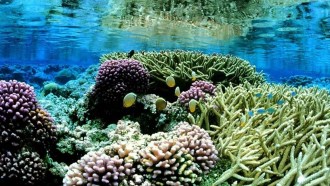
Corals dine on microplastics
Plastic in the ocean is a growing problem. New research finds that corals may eat tiny bits of plastic, prompting new concerns about the health of living reefs.
- Brain
A new ‘spin’ on concussions
Scientists have suspected that rotational forces in the brain may underlie concussions. A new study used athletic mouthguards containing sensors. Data on head movements during collisions suggest that a twisting of the brain may underlie mild brain injuries, including concussion.
- Brain
Harry Potter reveals secrets of the brain
Figuring out how the brain makes sense of what we read isn’t easy. So scientists enlisted the magical world of Harry Potter. It allowed experts to predict with great accuracy which brain areas would be active in a given part of the story.
- Brain
Nano air pollutants strike a blow to the brain
Most people think that air pollution poses the biggest risk to our lungs. In fact, pollution hits the brain too, sometimes by traveling a direct route — through our noses. These tiny pollutants can harm IQ and more.
- Animals
Tiny — but mighty — food-cleanup crews
Discarded food wastes can turn city spaces into food courts for disease-carrying rats and pigeons. But a new study shows tiny cleanup crews — especially pavement ants — are doing their best to eliminate such wastes. This, in turn, makes cities less attractive to bigger pests.
- Genetics
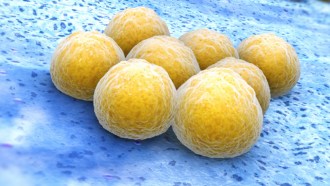
Germs help each other fend off antibiotics
Drug-resistant bacteria can cause persistent infections. A new study finds these germs fight drugs in different ways. And they can swap various compounds, increasing their neighbors’ chances of overcoming the drugs meant to kill them.
- Earth
How people have been shaping the Earth
We are the dominant force of change on Earth. Some experts propose naming our current time period the ‘Anthropocene’ to reflect our impact.
- Animals
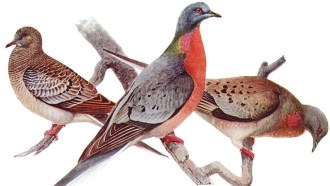
Coming: The sixth mass extinction?
Species are dying off at such a rapid rate — faster than at any other time in human existence — that many resources on which we depend may disappear.
- Brain
The distracted teenage brain
Teens often show poor judgment in decision-making. Scientists have long blamed this on the fact that their brains are still developing. A new study offers another explanation: distractions form rewarding behaviors — ones that persist even after the reward itself has disappeared.
- Earth
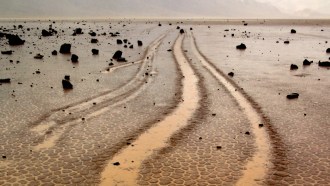
Solved: Mystery of the ‘sailing’ rocks
Rocks and boulders periodically move across the Racetrack Playa in Death Valley, leaving tell-tale tracks in their wake. Using advanced technology, scientists have finally solved the mystery of how this happens.
- Brain
Mistakes: A key to learning
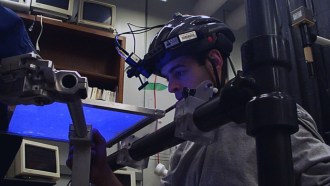
This man uses a robotic arm to move a cursor across a computer screen. The screen blocks his view of his hand and arm. This focuses his attention on any errors he makes as he tries to move a cursor to a target location.
- Brain
Learning rewires the brain
Brain cells actually change shape as we learn. It’s one way we cement new knowledge. And much of the action happens as we sleep.