atmosphere: The envelope of gases surrounding Earth, another planet or a moon.
biology: The study of living things. The scientists who study them are known as biologists.
ecology: A branch of biology that deals with the relations of organisms to one another and to their physical surroundings. A scientist who works in this field is called an ecologist.
electric charge: The physical property responsible for electric force; it can be negative or positive.
electricity: A flow of charge, usually from the movement of negatively charged particles, called electrons.
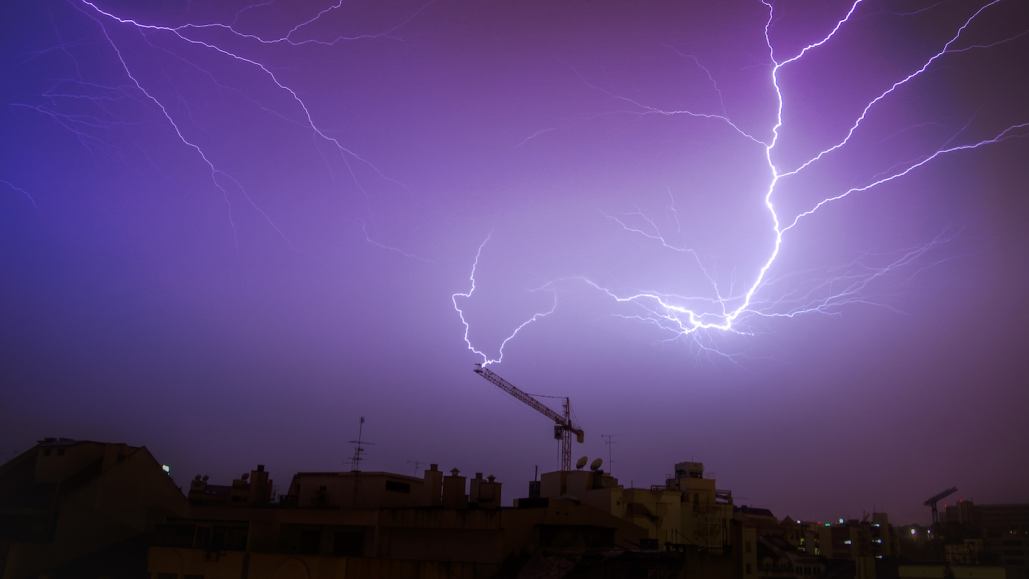
lightning: A flash of light triggered by the discharge of electricity that occurs between clouds or between a cloud and something on Earth’s surface. The electrical current can cause a flash heating of the air, which can create a sharp crack of thunder.
matter: Something that occupies space and has mass. Anything on Earth with matter will have a property described as "weight."
physicist: A scientist who studies the nature and properties of matter and energy.
physics: The scientific study of the nature and properties of matter and energy. Classical physics is an explanation of the nature and properties of matter and energy that relies on descriptions such as Newton’s laws of motion. Quantum physics, a field of study that emerged later, is a more accurate way of explaining the tiny motions and behavior of matter about the size of electrons. A scientist who works in such areas is known as a physicist.
pore: A tiny hole in a surface. On the skin, substances such as oil, water and sweat pass through these openings.
sewage: Wastes — primarily urine and feces — that are mixed with water and flushed away from homes through a system of pipes for disposal in the environment (sometimes after being treated in a big water-treatment plant).