All Stories by Beth Geiger
- Climate
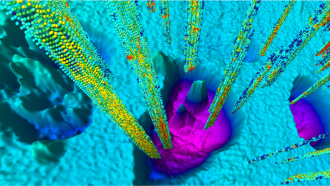
Giant volcanoes lurk beneath Antarctic ice
One of the largest volcanic areas on Earth was recently discovered hiding beneath West Antarctic’s ice sheet. What does it spell for the future of that ice?
- Oceans
How the Arctic Ocean became salty
The Arctic Ocean was once a huge freshwater lake, separated from the Atlantic by a ridge of land. Scientists explore how salt water overtook it.
- Climate
Ancient Arctic ‘gas’ melt triggered enormous seafloor explosions
Methane explosions 12,000 years ago left huge craters in bedrock on the Arctic seafloor. Scientists worry more could be on the way today as Earth’s ice sheets melt.
- Climate
Cool Jobs: Head in the clouds
What do a microbiologist, an atmospheric scientist and a materials engineer have in common? They’ve all got their heads in the clouds.
- Earth
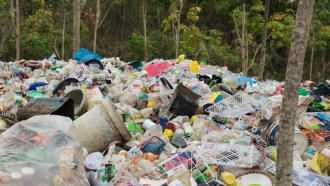
Meet our trashy ‘technosphere’
People are creating a layer of debris and disturbance called the technosphere. A new study estimates just how truly massive it is.
- Archaeology
Cool Jobs: Hunting surprises in thinning glaciers
Meet three scientists who are tracking the meltdown of Earth’s glaciers. They share their adventures, predictions and unexpected discoveries.
- Chemistry
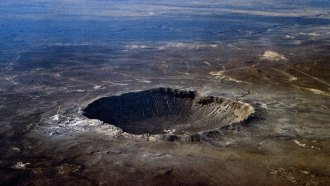
Smash hit: Making ‘diamond’ that’s harder than diamonds
Scientists had suspected extreme meteorite impacts might turn graphite into an unusual type of diamond. Now they’ve seen it happen — in under a nanosecond.
- Earth
Cool Jobs: Careers on ice
From Greenland to Utah to Jupiter, scientists unlock mysteries frozen in ice.
- Earth
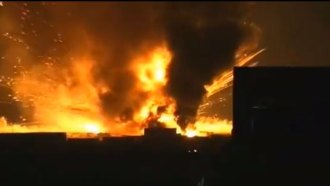
Tracking warfare by ‘Earth shakes’
Geophysicists are discovering how weapons shake, rattle, and roll the Earth. What they’re learning might one day help win wars.
- Chemistry
Mystery ‘earmuffs’ sit deep inside Earth
Two vast blobs in Earth’s lower mantle could result from a “trainwreck” of ancient colliding tectonic plates.
- Climate
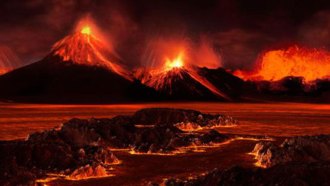
Clues to the Great Dying
Millions of years ago, nearly all life on Earth vanished. Scientists are now starting to figure out what happened.
- Climate
The heat that keeps on giving
Burning fossil fuels generates heat and carbon dioxide. That pulse of heat is quickly exceeded by the warmth that carbon dioxide traps in Earth’s atmosphere.