Heredity: Inheritance and Variation of Traits
- Earth
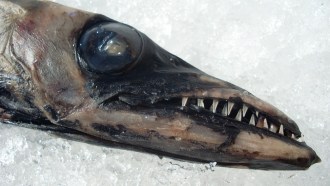
Deep-sea fish show signs of exposure to pollution
A new study suggests deep-water fish may have health problems linked to human pollution. Eating these fish may expose diners to the same pollution.
- Microbes
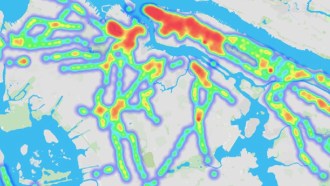
Making a microbe subway map
We are surrounded by bacteria, fungi and other tiny organisms. Now, high school scientists have contributed to the first map of microbes in the New York subway system.
- Health & Medicine
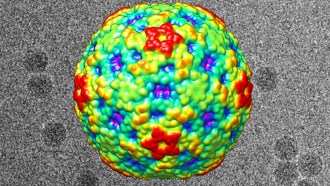
New virus may have given kids polio-like symptoms
More than 100 U.S. children developed a paralyzing illness in 2014. Genetic evidence now suggests that the most likely culprit is a new form of a virus in the polio family.
- Genetics
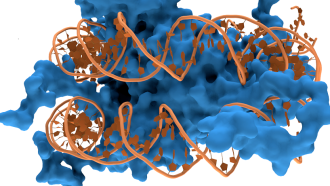
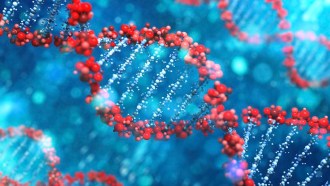
How DNA is like a yo-yo
When not in use, DNA coils tightly. But it must uncoil for the cell to ‘read’ its genes. Physical forces affect how easily that happens, new data show.
- Chemistry
Silencing genes — to understand them
Hijacking a cell process called RNA interference can let scientists turn off a selected gene. Its silencing can point to what genes do when they’re on — and may lead to new treatments for disease.
- Genetics
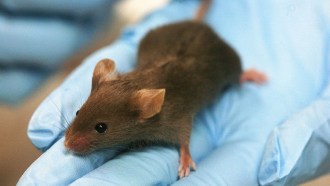
Mice can teach us about human disease
Humans and mice look and act very differently. But 85 to 90 percent of their genes are the same or quite similar. So an international group of scientists is deciphering the instructions in mouse genes to help us better understand our own.
- Life
Scientists Say: Parthenogenesis
When a baby frog develops from an egg that’s never been fertilized, we call that parthenogenesis.
- Climate
Desert plants: The ultimate survivors
Creosote, mesquite and other desert plants rely on different adaptations to thrive, even when no rain falls for an entire year.
- Health & Medicine
A whale of a lifespan
Bowhead whales can live more than 200 years. The secret to such longevity may lie in the Arctic species’ genes. Scientists recently mapped the whale’s genetic code. They found features that protect the marine mammal against cancer and other problems related to old age.
- Computing
Virtual wounds: Computers probe healing
To better understand how the body heals wounds, scientists have begun creating computer programs that let virtual cells fight it out. These ‘computer games’ could lead to better medicines.
- Genetics
Cell gangs may help cancer spread
A new study on mice suggests that when cancer cells strike out from a primary (first) tumor in groups, they have an especially good chance of creating new tumors elsewhere.
- Agriculture
Livestock: A need to save rare breeds
New studies and ongoing work highlight why society should save rare livestock breeds — and the part that technology can play.