Heredity: Inheritance and Variation of Traits
- Humans
News Brief: Ancient teeth point to Neandertal relatives
New analyses of some teeth found in Siberia indicate that Neandertal cousins known as Denisovans lived there for at least 60,000 years. That would have had them around the same place as modern humans — and at nearly the same time.
- Animals
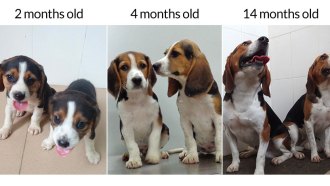
Gene editing creates buff beagles
Scientists showed that a potentially useful new gene-editing tool can work in dogs. It created a pair of adorable, muscular puppies. But the goal is to use it for other research purposes.
- Chemistry
Trio gets chemistry Nobel for figuring out DNA repair
Three researchers have won the 2015 Nobel Prize in chemistry for working out how cells fix damaged genetic material.
- Earth
Cool Jobs: Finding foods for the future
What's for dinner... tomorrow? Scientists are developing new foods to meet the demands of the growing population in a changing world.
- Health & Medicine
New treatments may rally ex-president’s fight against cancer
Former President Jimmy Carter has a potentially lethal type of skin cancer that has already spread to his liver and brain. Recent improvements in medicine may help him fight it.
- Animals
Chikungunya wings its way north — on mosquitoes
A mosquito-borne virus once found only in the tropics has adapted to survive in mosquitoes in cooler places, such as Europe and North America.
- Genetics
DNA: Our ancient ancestors had lots more
Ancestral humans and their extinct relatives had much more DNA than do people today, a new study finds. It mapped genetic differences over time among 125 different human groups.
- Brain
Explainer: Sometimes the body mixes up male and female
Certain medical conditions demonstrate how complicated biology can be. Being genetically male and female will not guarantee that your body won’t sometimes contain one or more features of both.
- Health & Medicine
New ways to fight the flu
Influenza sickens millions each year. A worldwide epidemic could kill many of them. Fortunately, new ways to fight the flu offer hope — before it’s too late.
- Animals
The bugs within us
Hordes of bacteria live inside people and other animals. This ‘microbiome’ can affect the development of the blood-brain barrier, food choices — even mating.
- Animals
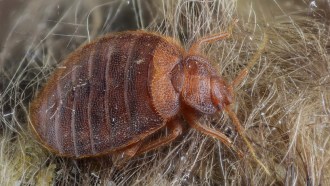
Return of the bed bug
Bed bugs have staged a comeback over the past 15 years. The bloodsucking parasites succeeded through a combination of evolution and luck.
- Health & Medicine
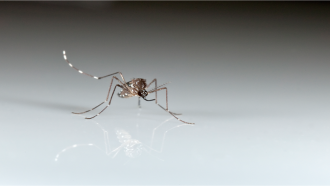
Do mosquitoes love you? Blame your parents
By studying twins, scientists found that how attractive we are to mosquitoes depends partly on our genes. That could lead to better bug repellents.