MS-ESS3-3
Apply scientific principles to design a method for monitoring and minimizing a human impact on the environment.
- Animals
Spidey sense: Eight-legged pollution monitors
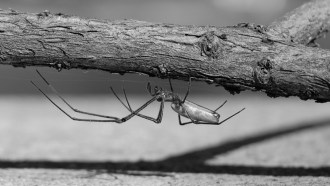
Spiders that prey on aquatic insects can serve as sentinels that naturally monitor banned chemicals that still pollute many rivers across the United States.
- Environment
Soot fouls subway stations — and maybe lungs
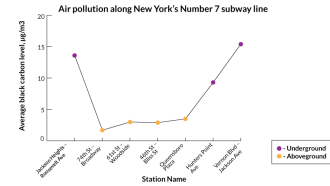
Soot levels in stations for New York City’s electric subway trains exceed the levels outdoors, a new study finds. The underground source of this black carbon: maintenance trains that share the tracks with subway trains. Breathing soot can aggravate asthma and other lung disease.
- Brain
Nano air pollutants strike a blow to the brain
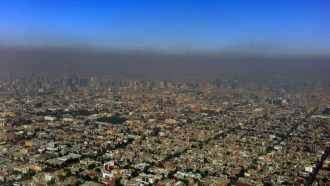
Most people think that air pollution poses the biggest risk to our lungs. In fact, pollution hits the brain too, sometimes by traveling a direct route — through our noses. These tiny pollutants can harm IQ and more.
- Chemistry
Thirdhand smoke poses lingering danger
The pollutants in cigarette smoke can linger indoors for hours. Indeed, they may pose risks long after any visible smoke is gone.
- Animals
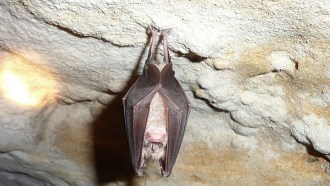
Scientists seek bat detectives
Bats emit high-pitched calls in the night to find their way around. A citizen science project is eavesdropping on these calls to probe the health of ecosystems.
- Climate
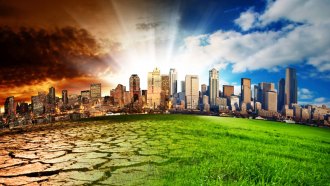
World leaders call for action on climate change
This week, the presidents of China and the United States pledged to take aggressive action on the release of greenhouse gases to head off dire worldwide climate effects.
-
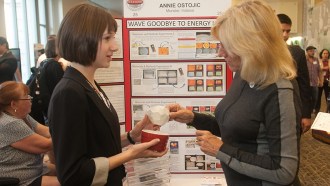
Food can make an appetizing science fair project
Many students think they need a laboratory or special equipment for a winning research project. But finalists at the Broadcom MASTERS competition showed food-based research may require little more than your home kitchen
- Animals
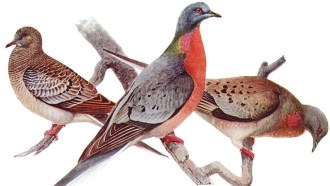
Coming: The sixth mass extinction?
Species are dying off at such a rapid rate — faster than at any other time in human existence — that many resources on which we depend may disappear.
- Microbes
Recycling the dead
When things die, nature breaks them down through a process we know as rot. Without it, none of us would be here. Now, scientists are trying to better understand it so that they can use rot — preserving its role in feeding all living things.
- Chemistry
Chemistry: Green and clean
“Green” means environmentally friendly and sustainable. Green chemistry creates products and processes that are safer and cleaner — from the start.
- Earth
Mailing off my microbeads
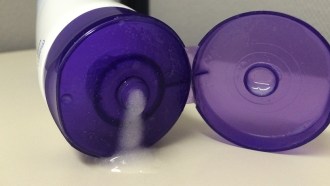
I was shocked to find out that my face wash contains plastics that might possibly harm marine creatures. So I’m donating it to science.
- Animals
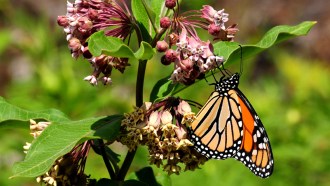
Salted butterflies
The salt used on winter ice can alter the bodies of summer's butterflies. Males develop larger muscles and females get bigger brains.