Environment
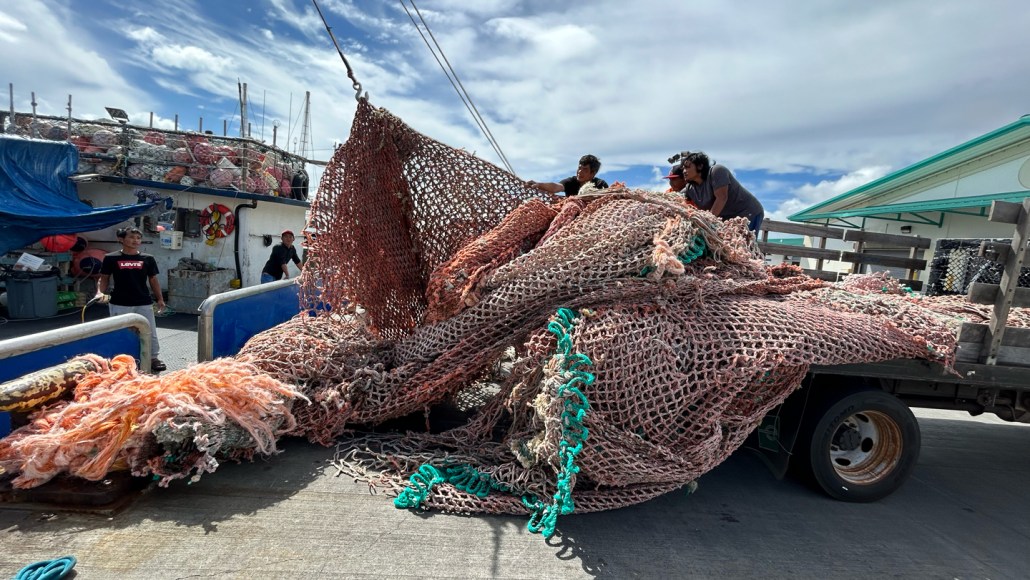
Hawaii is turning fishnets and other plastic trash into roads
Scientists are testing whether plastic pollution from the ocean can be transformed into safe and durable highways.
By Sara Novak
Scientists used machine learning to understand air pollution’s role in eye health and vision. They found children have better eyesight in cleaner air conditions.
Lab-grown meat may still be several years away from your local grocery. But such alternatives to farmed or free-range meats are on their way.
Humans have driven sharks and their cousins to the brink of extinction, but it’s not too late to turn the tide. At stake is the health of the entire ocean.
Over eight years, the mass of microplastics in human brains increased by some 50 percent. There are growing hints that internal microplastics may harm us.
These microbes can break the carbon bonds that make PET plastics so hard to degrade. This type of plastic makes up almost one-third of plastic waste.
African giant pouched rats have been trained to ferret out elephant ivory, pangolin scales and more. They could be put to work preventing smuggling.
More research is needed on ways to safely remove some CO2 from the water to make room for more — such as by seaweed farming and iron fertilization.
Three grand-award winners each took home at least $50,000. Hundreds more teens shared more than $9 million in prizes at the international competition.
Microplastics made from fossil fuels take centuries to disappear. But the plant- and algae-based plastic can break down in weeks to months.