Animals
- Animals
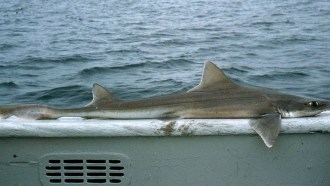
Sharks’ super sniffers at risk
Rising ocean acidity could rob sharks of their ability to sniff out dinner, marine biologists find.
- Animals
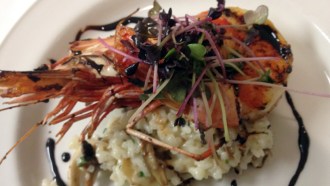
Chef puts eco-bullies on the menu
Some immigrant species can become a nuisance, eating up or displacing the natives. Often people find little incentive to catch and remove the newcomers — unless they find them too yummy to pass up.
- Animals
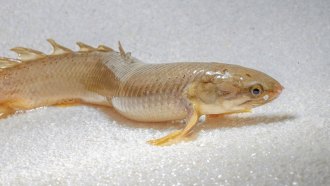
A fish out of water — walks and morphs
When this modern ‘walking’ fish was raised on land, its body changed. How it adapted resembles some prehistoric fish. These alterations hint at evolutionary changes that may have made life on land possible.
- Animals
Germs explain some animal behaviors
The bacteria that people and other animals host in and on their bodies are invisible to the eye. Yet they can play a very visible role in behavior. It’s something scientists are just coming to appreciate.
- Animals
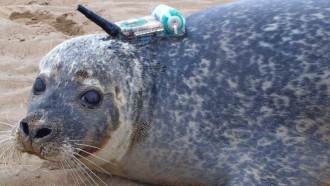
Wind farms: Restaurants for seals?
Scientists have tracked harbor seals visiting the turbines of ocean wind farms. The predators may be drawn by fish that make their homes in the artificial reefs created by the manmade structures.
- Animals
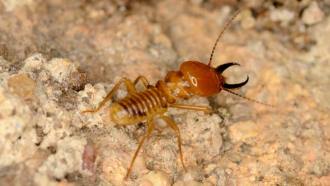
How termites ‘hear‘ about trouble
When danger comes too close, termites bang their heads against the walls of their homes. This action sends out a warning vibration that others ‘hear’ with their legs.
- Animals
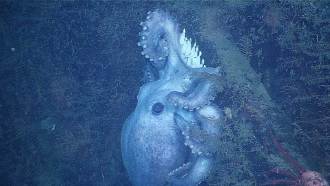
Octopus sets egg-nurturing record
Animals will do extraordinary things to help their babies survive. Consider ‘Octomom:’ She sat on one clutch of eggs for nearly 4.5 years.
- Animals
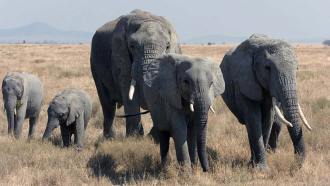
Elephants appear to be super sniffers
Elephants are not only massive, but also possess the most odor-detecting genes of any animal known, new research shows.
- Animals
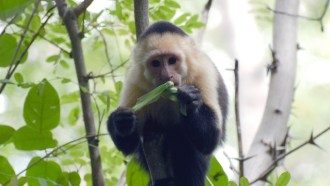
Bugs may have made us brainy
Finding and eating bugs when other food was scarce helped primates — including our ancestors — evolve bigger and better brains. At least that’s the conclusion of a new study in Costa Rica.
- Animals
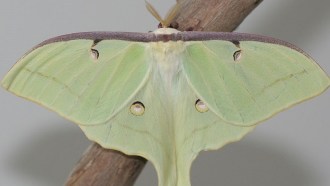
Keep the lights on for National Moth Week
Helping scientists is as easy as leaving your porch light on. Photograph the moths you see and upload them to the Internet for science.
- Animals
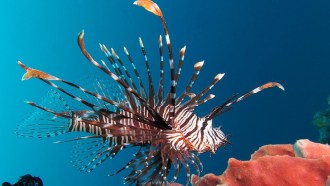
Teen shows salty lionfish are getting fresh
Lauren Arrington kept spotting lionfish in rivers near her Florida home. Her science fair project probed how much fresh water these ocean fish could stand — and led to a published research paper.
- Animals
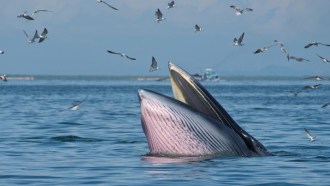
Cool Jobs: A whale of a time
Studying blue whales, spinner dolphins and other cetaceans demands clever ways to unveil the out-of-sight behaviors of these marine denizens.