Life
- Agriculture
Scientists Say: Prairie
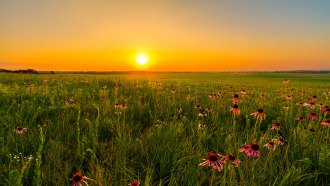
Prairies are flat, fertile grasslands in North America. They are their own unique ecosystem.
- Fossils
Fossil stomach reveals a dinosaur’s last meal
A rare fossilized stomach reveals a dino’s dining preferences. It also provides clues to the ecosystem in which the reptile lived.
- Animals
Bumblebees may bite leaves to spur plant blooming
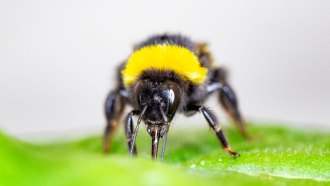
In a pollen shortage, some bees nick holes in tomato leaves. This can speed up flowering and pollen production by weeks.
- Animals
Let’s learn about bioluminescence
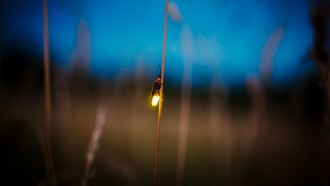
Some animals, bacteria and algae produce their own light. This bioluminescence can attract mates or protect from predators.
- Animals
Going bright may help corals recover from bleaching
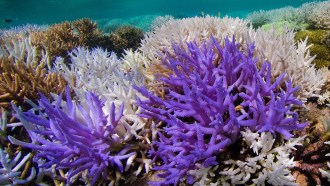
When some corals bleach, they turn neon colors. Flashy hues may be part of a response that helps these corals recover and reunite with their algae.
- Animals
Toxic germs on its skin make this newt deadly
Bacteria living on the skin of some rough-skinned newts make tetrodotoxin. This paralyzing poison is also found in pufferfish.
- Life
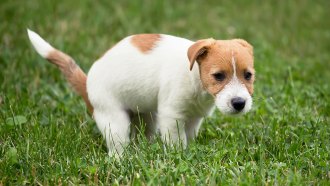
Scientists Say: Excretion
Every living thing produces waste. Excretion is how organisms take out the trash.
- Materials Science
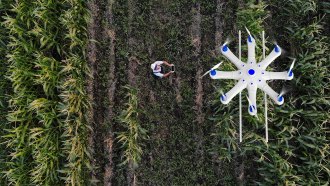
Silk-based microneedles may help treat diseased plants
Engineers have invented silk microneedles to inject medicines into plants. One day farmers might use drones to dart their sick plants with meds from the air.
- Fossils
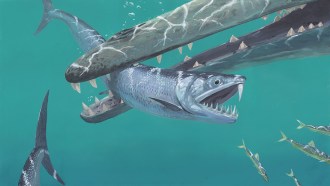
Saber-toothed anchovy relatives were once fearsome hunters
Today’s plankton-eating anchovies sport tiny teeth. But their ancient kin were armed with spiky lower teeth and a giant upper sabertooth.
- Animals
Why you’re spotting more wildlife during COVID-19
People are seeing more animals than they did before the pandemic. There are many reasons why.
- Animals
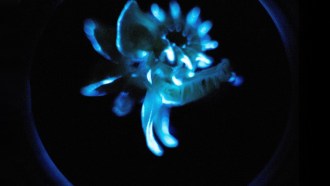
This tube worm’s glowing slime may help sustain its own shine
Snot oozed by a marine tube worm can glow for up to 3 full days. The secret of how this works might lead to long-lasting lights that glow on and on.
- Animals
#BlackBirdersWeek seeks to open the outdoors for everyone
The social media campaign #BlackBirdersWeek hopes to show the world the many black birders and nature lovers of color.