Physics
- Materials Science
This bandage uses electrical zaps to heal wounds faster
Scientists have invented a bandage that helps wounds heal faster by zapping them with electricity. The patient’s own motions power this device.
- Tech
This grid moves energy, but not always reliably
The grid that brings you electricity faces a host of threats. Engineers are at work to make it more reliable and nimble.
- Physics
Explainer: What is the electric grid?
Most of us get electricity through a huge system of power lines and equipment that together are known as the electric grid. Here’s how it works.
- Physics
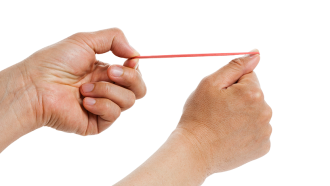
High-speed video reveals the best way to shoot a rubber band
What’s the best way to shoot a rubber band? High-speed video reveals how to avoid hitting your thumb.
- Animals
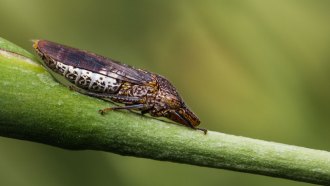
How some insects fling their pee
Insects called sharpshooters use a tiny barb on their rear ends to hurl their pee at 20 times the acceleration of Earth’s gravity.
- Earth
Soggy cereal gives clues to how rock dams collapse
To find out how ice sheets move and rock dams collapse, two researchers turned the attention to breakfast cereal.
- Chemistry
This rewritable paper depends on disappearing ink
Scientists have made a new rewritable paper that can hold text and images for at least six months. It also can be reused more than 100 times.
- Physics
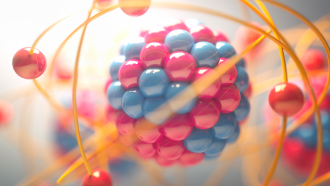
Much of a proton’s mass comes from the energy of the particles inside it
Thanks, Einstein! Your famous E=mc2 formula now explains much of a proton’s ‘mass.’ Its building-block quarks make up just a small part of its left, calculations now show.
- Life
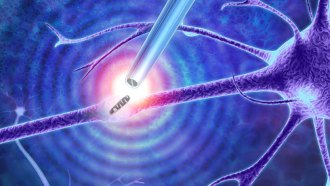
Electro-tweezers let scientists safely probe cells
These nanotweezers can sample the innards of cells without killing them. They use an electric field to net materials for study. And they are gentle enough to repeatedly probe the same cell.
- Animals
How wombats make their unique cube-shaped poop
The elasticity of the wombat’s intestines helps the creature to shape its distinctive scat.
- Animals
How do elephants eat cereal? With a pinch
Elephant trunks can grab everything from whole trees to cereal bits. To pick up fine grains, they press, then pinch.
- Chemistry
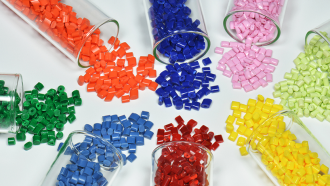
Some plastics learn to repair themselves
A new material can fix its own scratches and small cracks. One day, it also may make self-healing paints and plastics possible.