
All Stories by Alison Pearce Stevens
- Earth
Scientists Say: Subsidence
This word describes land that sinks after water, minerals, oil or other materials are removed below ground.
- Health & Medicine
6 surprising science-backed ways to beat the heat
From a new hairstyle or burst of mint to how you decorate your windows, these research-backed tips and tricks can help you beat the heat to stay cool all summer long.
- Brain
Adolescence appears to last far longer than once thought
The brain undergoes “rewiring” throughout adolescence and doesn’t reach its adult architecture until our early 30s, suggests a new study.
- Psychology
Everyone experiences malicious joy now and then
Called schadenfreude, feeling happy when we see someone else’s pain is typically harmless. But unchecked, it can have big consequences.
- Psychology
Big goals can feel overwhelming. Here’s how to stay on track
Aiming for something big? Break that big goal into smaller, manageable steps. Then narrow your focus. This will keep your eyes on the prize.
- Animals
Scientists Say: Kleptotrichy
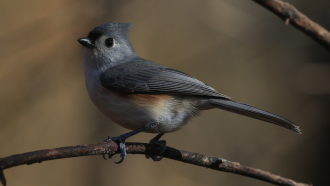
Based on the Greek words for theft and hair, kleptotrichy is a more common bird behavior than people thought.
- Animals
Analyze This: Some bats feast on songbirds midflight
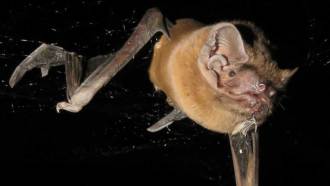
Sensor data reveal greater noctule bats chasing, catching and chewing on birds during nighttime hunts.
- Earth
Cities across the world are sinking. Here’s how they might rebound
Affected coastal cities tend to flood more often — a growing threat in this era of continuing sea level rise.
- Health & Medicine
Short exercise workouts can boost classroom performance
When students spend just nine minutes doing high-intensity interval exercises, their brains can work more efficiently, new data show.
- Health & Medicine
Sleeping in — but not too much — may ease anxiety
Getting up to two hours of weekend catch-up sleep lowers anxiety in teens, new research shows.
- Plants
Pollinators send out good vibrations — and plants respond sweetly
Snapdragon blooms can distinguish between the sounds of pollinators and thieves. They boost or drop the sugar in their nectar depending who’s arriving.
- Plants
Scientists Say: Circumnutation
Plants are always on the move, their tips slowly waving in search of better light — a process called circumnutation.