Questions for ‘Chicago’s Rat Hole? Science concludes it’s likely not from a rat’
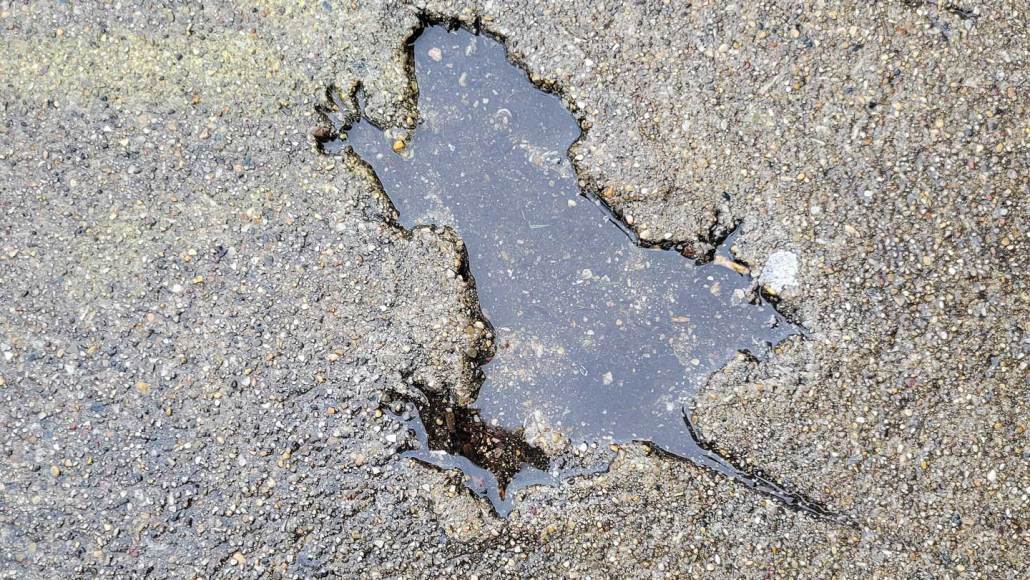
Water fills the crime scene-like outline of Chicago's Rat Hole, a rodent-shaped crater in concrete with visible foot, toe and tail impressions.

It may look like a rat went “splat” in this slab of a Chicago sidewalk, but a new study suggests the impression was more likely left by a squirrel.

WinslowDumaine/Wikimedia Commons

To accompany “Chicago’s Rat Hole? Science concludes it’s likely not from a rat

SCIENCE

Before Reading:

  1. Take a moment to observe the “rat hole” impression and identify notable features. For instance, you might consider the position of the limbs, the shape of the head or the depth of the impression in the concrete. Describe what these features might suggest about the animal or the story behind what created the impression. (Feel free to be creative.)
  2. Consider how people around you typically form conclusions in daily life. For instance, you could think about social situations and then how a group of friends might arrive at some conclusion. Identify one step of the scientific method that, in your experience, people generally tend to use when making everyday conclusions. Then, identify one step that people are more likely to omit. Explain your answer.

During Reading:

  1. Briefly describe what is “Splatatouille.” What inspired that name?
  2. Is the hole brand-new? Why has it recently received attention?
  3. Describe how visitors showed their appreciation for the landmark.
  4. What was the goal of the study? Point to one example of data collected by scientists.
  5. What role did the iNaturalist app play in this analysis?
  6. How did researchers explain the absence of footprints or a squirrel-like tail in the imprint?
  7. How sure are scientists of their identification? What challenges does this highlight and in which field of science?

After Reading:

  1. Using the steps taken by scientists described in the article, describe the five steps of the scientific method. Give specific examples of each step from the article.
  2. Scientist Michael Granatosky says studying the hole was “a fun project to apply the scientific method to something that’s lighthearted.” Brainstorm some other lighthearted question you could ask and explore using the scientific method.