Climate
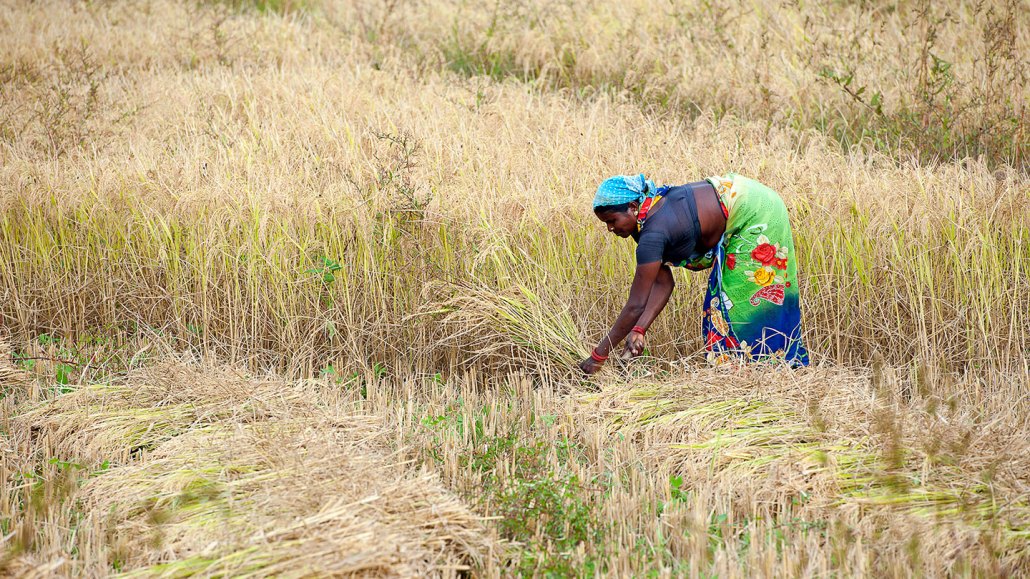
Rockin’ farm fields suck up tons of CO2
Called enhanced rock weathering, spreading crushed basalt on crop lands can deliver farmers yet another bonus: bigger harvests.
By Douglas Fox
Mud at the bottom of this lake holds a record showing how humanity has been changing our planet. But the Anthropocene isn’t an official new epoch yet.
A new study finds they can leak benzene and other harmful chemicals into homes, sometimes at very high levels.
Data show the plastic ends up tainting drinking water. For now, scientists don’t know what health risks downing these pollutants might pose.
Scientists hope that capturing carbon dioxide this way will limit both further warming of our planet and an escalation of extreme weather events.
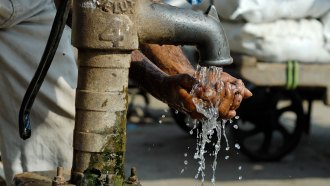
Groundwater provides drinking water to billions of people and is used to water crops worldwide.
Smoke drifts. Fish eggs float downstream. Where such drifting things end up may seem a mystery. But research can predict where they’ll end up.
Humans are changing the world in profound ways. Some scientists think those changes have launched a new epoch in Earth’s history: the Anthropocene.
Scientists explain why everyone needs to value the soils beneath our feet — and why we should not view them as dirt.
Dust and tar blown onto high mountains, like the Himalayas, boost the melting of snow and ice far more than scientists had realized. Here’s why.