Earth
- Earth
Scientists Say: Seismology
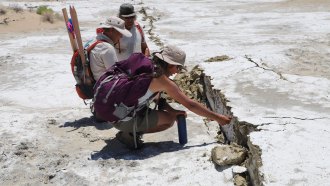
Seismology is the branch of science focused on seismic waves — vibrations that run through or around Earth.
- Environment
Protecting forests may help head off future pandemics
Hungry bats are more likely to shed harmful viruses to people or livestock when they spread out to hunt food. Conserving forests may limit this risk.
- Climate
Eight ways you can cut your carbon footprint
Learn how you can limit the climate-warming gases associated with what you eat, the products you buy and the energy you use.
- Climate
The world is aiming for ‘net zero’ emissions of greenhouse gases
Nations are charting how they might ‘zero’ out their releases of climate-warming gases. Success might greatly lower the risks of climate catastrophes.
- Fossils
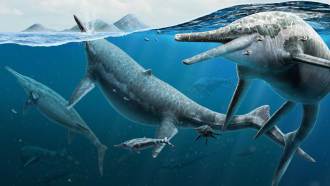
An ancient ichthyosaur graveyard may have been a breeding ground
Some 230 million years ago, huge dolphin-like reptiles appear to have gathered to breed in safe waters, just as many whales do today.
- Environment
Gas stoves can spew lots of pollution, even when they’re turned off
A new study finds they can leak benzene and other harmful chemicals into homes, sometimes at very high levels.
- Environment
For a better brick, just add poop
Sewage sludge. Cow dung. They’re not just waste — scientists are finding uses for processed poop in construction materials.
- Earth
Analyze This: Salt may quash lightning over the sea
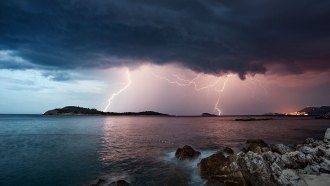
Bits of airborne salt may help raindrops form, removing water from clouds before it can freeze as part of the process that makes lightning.
- Climate
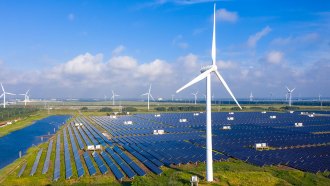
Green energy is cheaper than fossil fuels, a new study finds
Switching over to clean, renewable power — and away from fossil fuels — could save trillions of dollars by 2050, a new study finds.
- Climate
Explainer: What is decarbonization?
Lowering carbon levels in our atmosphere to stabilize the climate may start with switching from fossil fuels to greener energy sources.
- Chemistry
Explainer: All about carbon dioxide
Animals and other life on Earth exhale carbon dioxide, which plants use for photosynthesis. But too much of this gas can perturb Earth’s climate.
- Environment
Microplastic pollution aids viruses and prolongs their infectivity
The tiny plastic bits give these germs safe havens. That protection seems to increase as the plastic ages and breaks into ever smaller pieces.