How not to choke when performing under pressure
Science can help soccer stars — and all of us — perform our best when it counts the most
Few things may trigger performance anxiety like having thousands of fans’ eyes on you. Even the best athletes, musicians and others can choke under this pressure. But sports psychologists have tips for improving your chance of success.
haizon/Creatas Video+/Getty Images Plus
This is a human-written story voiced by AI. Got feedback? Take our survey . (See our AI policy here .)
The roar of 90,000 soccer fans washed over Aurélien Tchouaméni. He was a midfielder on the French national soccer team. After placing the ball on the penalty spot, he tried to steady himself for the biggest kick of his life.
France and Argentina had battled to a 3-3 tie in the 2022 World Cup final. The winner would be decided by a penalty kick shoot-out. The side scoring the most during their five shooting attempts would win.
The teams took turns sending a player to the penalty spot. It was just 11 meters (12 yards) from the opposing goalkeeper.
When Tchouaméni’s turn came up, France was already down two goals to one in the shoot-out. A two-goal shoot-out deficit would be a disaster for France. Tchouaméni stared at the Argentinian goalkeeper, then waited. At the referee’s whistle, he took a deep breath, then ran up and kicked.
And he missed, wide left.
France would go on to lose the shoot-out and the title of World Cup champion.
Some 1.4 billion people watched that game. Few understood the penalty kick drama better than Geir Jordet. A psychologist, he works at the Norwegian School of Sport Sciences in Oslo. He’s among a small group of people who study the intense pressure of soccer’s penalty kicks.
This summer’s World Cup will provide more high-stakes data for such research.
In recent years, penalty kick studies have helped the world’s top soccer teams win more shoot-outs. But findings here can also help people well beyond the soccer field. The worry and distraction that come with pressure can trip up performances by elite athletes — and the rest of us. Knowing how to stay calm and focused can help us perform our best when the stakes are highest.
“Everything has to do with handling the anxiety of the moment — and handling the pressure, individually and collectively,” Gordet says. “It’s not penalty-specific or even soccer-specific. It’s about how humans tolerate, cope with and handle these situations.”
Failure is rare, but devastating
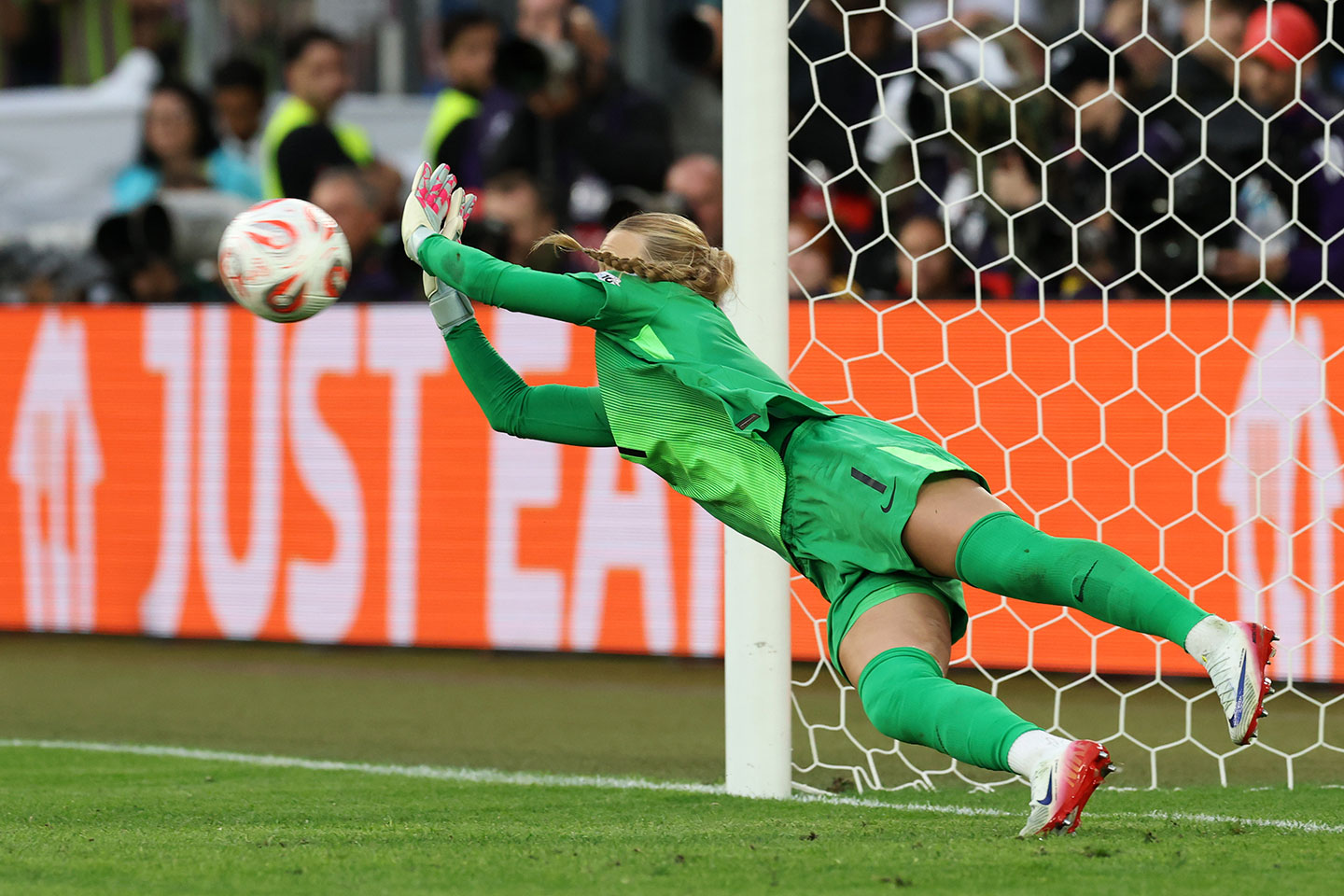
For a player like Tchouaméni, a penalty kick would seem simple, even easy. He’s one of the world’s best midfielders (and a star player for Real Madrid, in Spain). Just a week before his big miss at the World Cup, Tchouaméni had been a hero for France in a 2-1 quarterfinal victory against England. In that game, he blasted a shot about 23 meters (75 feet) from goal. It zipped through the legs of an onrushing defender. Then it zoomed past the diving goalkeeper.
At this elite level, about 75 to 80 percent of penalty kicks lead to goals. It’s rare for players to fail at the penalty spot. But some obviously do — and for a mix of reasons. Sometimes the goalkeeper makes a great save. Sometimes it’s just luck. But there’s also the pressure of what’s at stake. And that puts a mental strain on whoever is making that penalty kick.
For their studies, Jordet and others have pored over data and videos of thousands of penalty kicks. And one pattern stands out: As the stakes go up, the chances of scoring go down.
Players are more likely to score on penalty kicks during a game than in a shoot-out. Penalty kicks also tend to be less successful toward the end of tournaments. In shoot-outs, players are most likely to score if a goal means victory — and least likely if failure means defeat.
In any sport, there are two main reasons that pressure hurts performance, say sport psychologists. One is overthinking. The other is distraction.
Under stress, athletes may focus too much on step-by-step skills. This might be shooting in soccer, serving in tennis or putting in golf. When this happens, the smooth mastery of an expert can fall apart, sometimes resembling the efforts of a beginner.
Then there are distractions. These may be worries about failing and letting people down. They might also be as simple as crowd noise or insults uttered by a trash-talking goalkeeper. Any of these can steal focus from on-field tasks.
Self-doubt can harm performance both on and off the athletic field. For instance, studies have shown that students who doubt their math abilities are less able to focus on this work. Such “math anxiety” hurts their scores and adds to their worries.
For the English national soccer team, doubts seem to have worsened their penalty kick struggles — and for a long stretch. England is one of the world’s top soccer nations. English players star in the best leagues, notably the English Premiere League. Still, the English national team lost almost every penalty shoot-out at international tournaments in the 1990s and the first two decades of the 2000s.
These losses earned England a reputation for choking at the penalty spot.
The explanation could not be lack of skill. For instance, one 2023 study reviewed more than 1,700 penalty kicks by players from many different nations. These were both in-game penalty kicks and shoot-outs at international and club competitions. Players from England scored as often as did the players from other nations.
This didn’t surprise the study’s authors, including Daniel Memmert. What theory might explain why English players are bad at penalties? Nothing, says this sports researcher at the German Sports University in Cologne. “There is no theory. And, of course, it’s not true.”
Still, ghosts of those missed goals may haunt British penalty takers. These players know they’ll be heroes if they score — but scapegoats if they don’t. They know nationwide scorn will follow yet another failure.
“Most probably, every English player who walks up to the mark is going to have the next headline in their head, about losing it for England,” says Michel Brinkschulte. “That’s definitely going to play a role.” Another of this study’s authors, Brinkschulte researches sports training at the German Sports University.
Indeed, thinking about past penalty failures can hurt English penalty takers, one study found — even if they aren’t on the national team. Researchers at Bournemouth University in England did a penalty kick experiment with about 130 soccer players from English university and regional teams.
Each player took five penalty kicks. But first, they were divided into three groups. Researchers reminded one group about England’s poor shoot-out history. These players scored fewer goals than players who didn’t hear that message. They also scored fewer goals than players who were reminded of the past — but were also told that it proved nothing about English players.
Stress shows
“I joke and say I’m actually not that interested in penalty kicks,” Jordet says, “because the penalty kicks themselves are quite boring.”
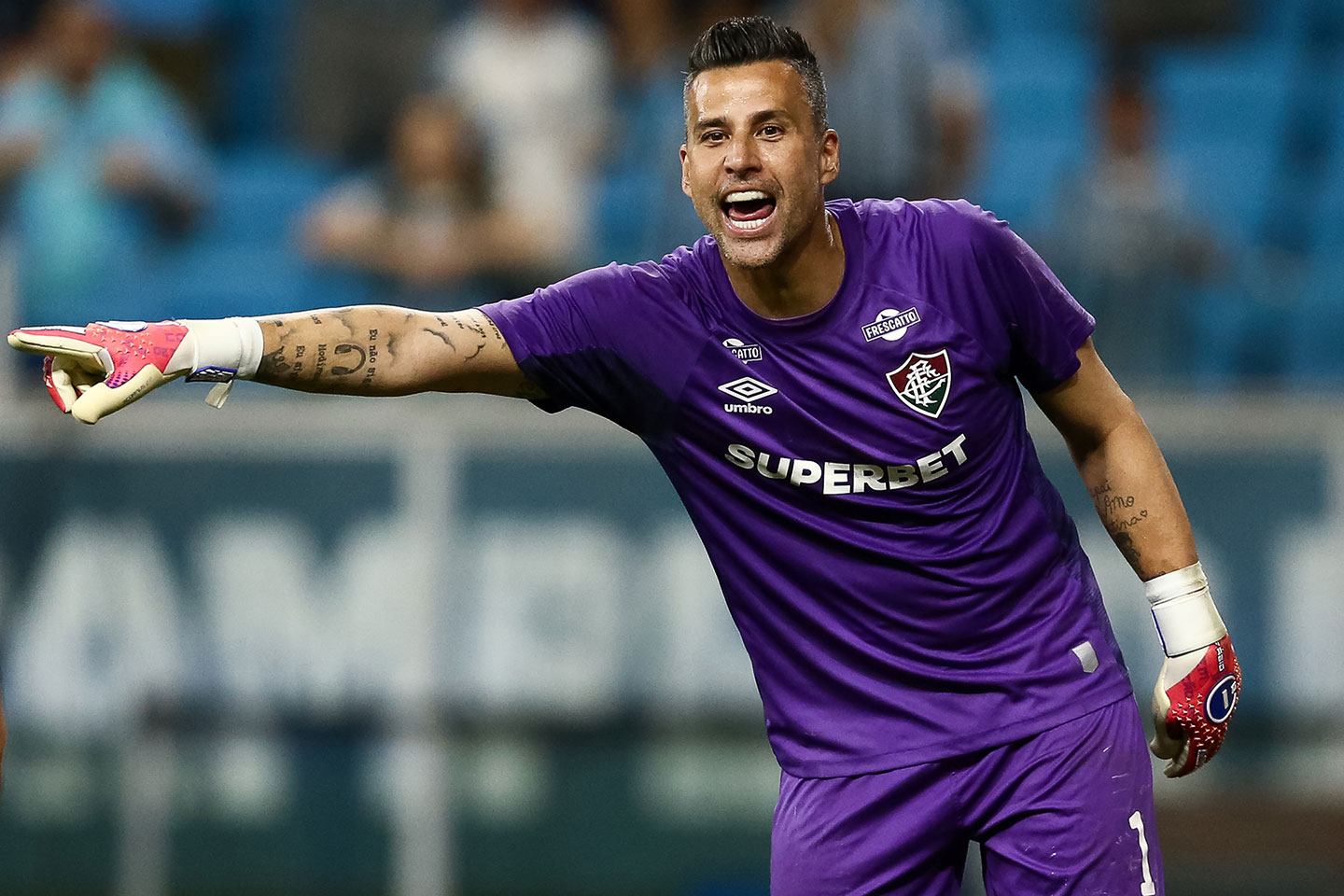
Instead, he focuses on everything that happens before the penalty shot. He watches how the athletes approach their kick, where they look and how quickly they shoot. He’s scouting for signs that penalty takers are focused and in control of their emotions. Or not.
Penalty takers feel the stress in their bodies. Their hearts race. They may even struggle to breathe. One penalty taker in the 2004 European Championships told Jordet: “I became so nervous. I thought it showed on TV that my legs were shaking.”
In his research, Jordet has noticed some behaviors are more common among players who failed to score. They’re more likely to turn their backs on the goalkeeper after putting the ball on the penalty spot, for instance. These players also rush to shoot after the referee’s whistle. Such behaviors point to anxiety, Jordet suspects.
Many soccer players experience stress as they wait their turn in a shoot-out. They just want to get it over with.
Take former English midfielder, Steven Gerrard. He was in a shoot-out at the 2006 World Cup quarter final. “I wish I was first up. Get it out of the way. The wait’s killing me,” he wrote in his autobiography. “I was screaming inside.”
In the end, the goalkeeper saved the ball.
Follow-up experiments by Memmert and others find that goalkeepers watch these behaviors. They can sense when a penalty taker is nervous and lacks confidence. It might give those goalkeepers an advantage.
Facing a nervous penalty taker, goalkeepers may wait an extra split second to watch the shooter. That can up their chance of diving correctly to make a save.
They might also try to distract the kicker or pile on extra pressure. That’s what Argentina’s goalkeeper, Emi Martinez, did in the 2022 World Cup shoot-out against France. He tried to rattle the French penalty takers by talking and gesturing at them. He kept asking the referee to check the ball placement. At one point, he even tossed the ball away from the penalty spot.
After the match, Martinez spoke about watching the French midfielder, Tchouaméni, before he missed his shot. “I saw that he was dead in front of goal,” Martinez told reporters. “He was looking up, looking at the people. He was very nervous.”
Prepare to beat the pressure
For years, many soccer coaches did not think players could train for a shoot-out. Jordet quotes many of these coaches in his 2024 book, Pressure: Lessons from the Psychology of the Penalty Shootout. They had called penalty shoot-outs “a lottery.” It was based on luck, not practice time, those coaches claimed. But in the last 10 years or so, more big clubs and national teams have started applying findings from penalty kick research.
To help boost their penalty kick successes, many of these teams have also hired sports psychologists.
Most famously, in its lead up to the 2018 World Cup, England’s national team created a penalty kick task force. For 18 months, the team practiced penalty kicks with the help of Jordet and other sports psychologists.
And their work paid off.
In that World Cup’s first knockout round, the match between England and Colombia came down to a penalty shoot-out. Unlike England’s previous five shoot-outs, they won. The team has since faced three more penalty shoot-outs — and won two of them.
Penalty kick experts have some tips to help avoid worry and distraction. Start with a routine, Brinkschulte advises. “Have a plan, and follow through with that plan.”
The plan could include things such as how to place the ball on the spot and how many steps and breaths to take before shooting. Know where to look. Know what to do if the goalie talks smack. The more that penalty takers can automate and simplify things, the more control they will feel.
The formula that works will differ from player to player, Brinkschulte adds. For instance, taking forever to shoot does not guarantee a goal. How long players wait before shooting, he says, matters less than what they do with that time.
And these techniques are not specific to soccer. There are proven ways to stay calm and focused during any kind of stress, whether you’re taking a final exam, in a job interview or preparing for a recital. These strategies include things such as taking deep breaths — ones that you feel in your belly. And there’s positive self-talk — even visualizing a calm or joyful scene.

All these things “help neutralize the mind from worry,” says Louise Ellis. And all work best with regular practice, she adds. A sports psychologist, Ellis works at the University of Huddersfield, in England.
“It’s important,” she says, “to train under pressure and to practice techniques that might help under pressure.” For instance, coaches might set up a practice to mimic a real penalty shoot-out. Players can walk to the penalty spot from the field’s center circle, just as they would in a real match. Teammates can serve as an audience. Coaches might ratchet up the pressure by asking shooters to hit specific targets and evaluate each kick.
None of this guarantees success, of course. Luck still matters. Goalkeepers will keep getting better at distractions and stopping shots. Penalty shoot-outs at this summer’s World Cup will likely give teams new ideas on how to gain an edge, both physically and mentally.
For fans, one of the most important lessons in watching failed penalty shoot-outs might be that superstar athletes are human. As Jordet concludes in his book, elite soccer players are heroes to many people. But when they’re standing alone at the penalty spot, they’re just people under pressure trying to do their best. “We can all intimately relate,” he writes. “Their pressure is our pressure.”
Do you have a science question? We can help!
Submit your question here, and we might answer it an upcoming issue of Science News Explores