Earth
- Environment
Batteries not included: This Game Boy look-alike doesn’t need them
Game Boy revolutionized the gaming industry. A newer version could help slow the rate of climate change.
- Agriculture
Student scientists work to help all of us survive a warmer world
From glaciers in the refrigerator to a rover in the field, here’s how young scientists are looking to help us adapt to climate change.
- Climate
The faster trees grow, the younger they die
As climate change spurs forest tree growth, it also shortens trees’ lives. That results in a quicker release of climate-warming carbon back into the atmosphere.
- Animals
Whales get a second life as deep-sea buffets
When a whale dies and sinks to the seafloor, it becomes a feast for hundreds of different types of creatures.
- Environment
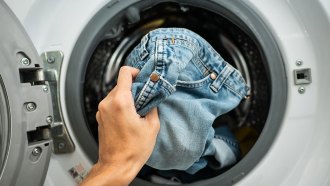
Washing your jeans too much might pose risks to the environment
Jeans shed thousands of denim fibers in every wash. Those fibers, and the chemicals used to treat them, now are showing up in even the Arctic Ocean.
- Climate
Scientists Say: Desert
Deserts are ecosystems that get less than 250 millimeters (10 inches) of precipitation per year.
- Climate
Changing climates can take cooling tips from warm regions
When summer heat waves hit northern cities, people might look to keep cool using tropical building strategies — and forgotten architectural wisdom.
- Chemistry
How to recycle ‘nonrecyclable’ plastics
A new process can convert some nonrecyclable plastics into a type that now can be reused. That could greatly cut down on wastes sent to landfills.
- Earth
Analyze This: Perfumes from everyday products collect in distant ice
Common scent-bearing chemicals are trapped in ice cored from Europe’s tallest peak. Dig into the data to find a story behind that pollution.
- Animals
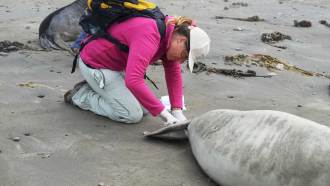
One tiny sea parasite survives 200 times atmospheric pressure
Known as the seal louse, this tiny insect can survive deep oceanic dives on its mobile home, a marine mammal.
- Animals
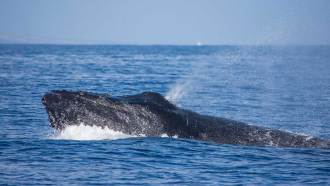
Whale blowholes don’t keep out seawater
Whales’ blowholes aren’t as protective as scientists had thought. They not only can let in water but also pollutants.
- Chemistry
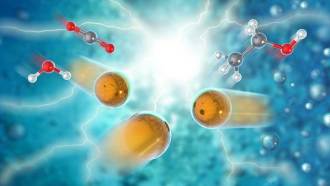
New solution for carbon dioxide: Turn it into ‘green’ fuel
Chemists have created a new way to convert carbon dioxide into ethanol. It might one day help remove excess CO2 — a greenhouse gas — from the air.