Health & Medicine
- Agriculture
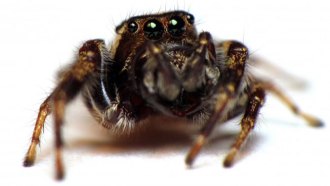
Insecticide can change a spider’s personality
A chemical meant to kill moths affects the behavior of some spiders. It alters the spiders’ ability to capture prey — including those moths.
- Animals
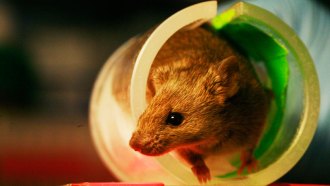
Some pollutants made mice less friendly
Hormone-interfering chemicals make mice less social and may also alter their weight, a study finds. That affected the animals’ confidence — and behavior.
- Health & Medicine
Survey finds U.S. schools start ‘too early’
The school bell dings too early for U.S. tweens and teens, a survey finds. Most kids start class well before the recommended 8:30 a.m.
- Health & Medicine
More data link vaping to smoking
A new study finds vapers who don’t smoke are likely to start — even when they initially had no intention of ever taking up a cigarette.
- Animals
Chikungunya wings its way north — on mosquitoes
A mosquito-borne virus once found only in the tropics has adapted to survive in mosquitoes in cooler places, such as Europe and North America.
- Health & Medicine
News Brief: Stress may break diet willpower
A new study suggests stress can affect our behavior — and willpower — by making tasty foods look more irresistible.
- Chemistry
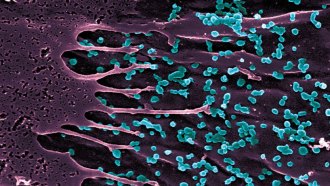
Nanosilver: Naughty or nice?
Nanosilver is in many products, from socks to toothbrushes. The tiny particles kill microbes. But it’s still unclear whether they can harm us or the environment.
- Genetics
DNA: Our ancient ancestors had lots more
Ancestral humans and their extinct relatives had much more DNA than do people today, a new study finds. It mapped genetic differences over time among 125 different human groups.
- Earth
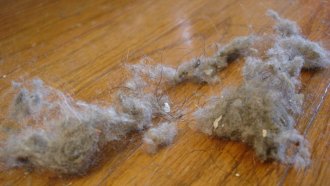
Can house dust make us fat?
Materials found in dust, including common fats, may trigger human fat cells to grow. This might promote weight gain, some scientists worry.
- Agriculture
Organic food starts to prove its worth
Organic food often comes with a higher price. But research is showing that food grown this way can be better for the environment — and possibly for us.
- Health & Medicine
Vaping can lead to teen smoking, new study finds
A study in L.A. high school students finds that those who vape are much more likely than those who don’t to eventually take up smoking cigarettes.
- Brain
Explainer: The nico-teen brain
Both e-cigarettes and tobacco products can release large amounts of nicotine during use. Nicotine is the chemical that makes tobacco addictive — and the teen brain is especially vulnerable to it.