Humans
- Humans
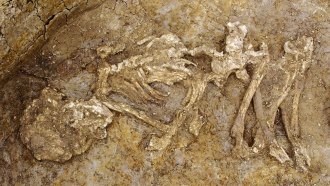
Bronze Age mummies unearthed in Great Britain
Bronze Age communities from southern England to Scotland appear to mummified their dead. Tests show this occurred between roughly 3,000 and 4,000 years ago.
- Health & Medicine
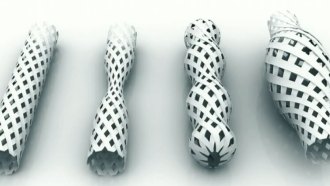
How to print shape shifters
3-D printing was only the beginning. Scientists are pursuing 4-D printing, creating objects that can move and interact with their surroundings.
- Health & Medicine
Teen friendships may make for healthier adults
Scientists find that strong teen friendships — and a tendency to follow the crowd — may lead to better health in their 20s.
- Fossils
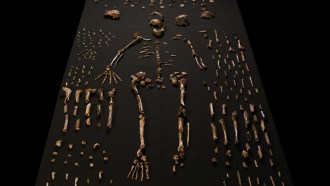
Fossils: Is this new species a human relative?
Fossils found in an underground cave in South Africa may be from a previously unknown species of the human genus, Homo.
- Humans
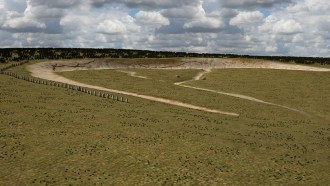
Picture This: ‘Super-henge’ buried near Stonehenge
Scientists using ground-penetrating radar discovered a massive stone monument, now buried, at a prehistoric village near Stonehenge.
- Earth
Cool Jobs: Finding foods for the future
What's for dinner... tomorrow? Scientists are developing new foods to meet the demands of the growing population in a changing world.
- Health & Medicine
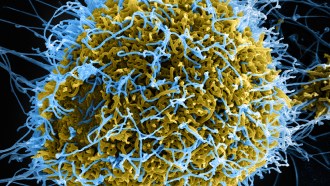
Scientists Say: Virulence
The virulence of a germ is a measure of its potential to cause disease.
- Brain
Childhood stress can leave changes in the adult brain
A new study finds that young men who had experienced lots of stress early in life carried a lasting legacy — changes in the size and shape of their brains.
- Health & Medicine
New treatments may rally ex-president’s fight against cancer
Former President Jimmy Carter has a potentially lethal type of skin cancer that has already spread to his liver and brain. Recent improvements in medicine may help him fight it.
- Agriculture
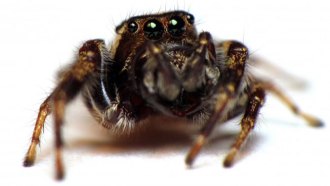
Insecticide can change a spider’s personality
A chemical meant to kill moths affects the behavior of some spiders. It alters the spiders’ ability to capture prey — including those moths.
- Animals
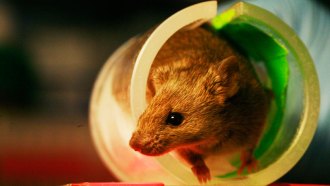
Some pollutants made mice less friendly
Hormone-interfering chemicals make mice less social and may also alter their weight, a study finds. That affected the animals’ confidence — and behavior.
- Health & Medicine
Survey finds U.S. schools start ‘too early’
The school bell dings too early for U.S. tweens and teens, a survey finds. Most kids start class well before the recommended 8:30 a.m.