Life
- Brain
Expecting pain? That could really make it hurt worse
How much someone expects something to hurt affects how their brain processes the pain, and how well they learn from it.
- Animals
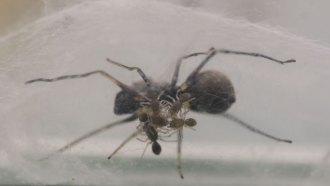
This spider feeds a type of milk to its babies
Even after spiderlings start hunting for themselves, they return to mom for milk.
- Animals
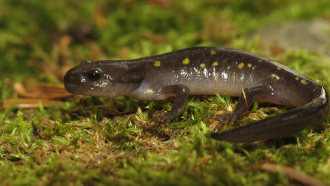
Mosquito repellent could pose risks to baby salamanders
Two ingredients in bug repellant — DEET and picaridin — can end up in streams. There, they may hurt salamanders but leave mosquitoes alone, a study finds.
- Brain
Marijuana use may affect decision-making areas in teen brains
Marijuana use during adolescence may damage decision-making areas of the brain, according to a new study in rats.
- Brain
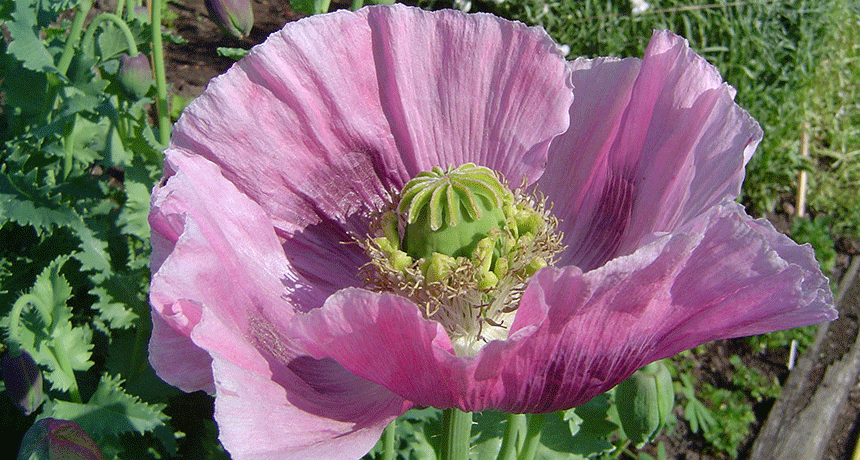
Scientists Say: Opioid
Opioid drugs work in the brain to stop pain. But the drugs also produce pleasure, which can make people want to take them over and over again.
- Ecosystems
Welcome to the Arctic’s all-night undersea party
Life teems in the frozen darkness of the Arctic night. But as the ice recedes and people move in, their light pollution may disturb the animals living there.
- Health & Medicine
Sleepless nights can leave brains feeling anxious
Pulling an all-nighter boosts anxiety levels — and changes brain activity — the next morning, a new study finds.
- Animals
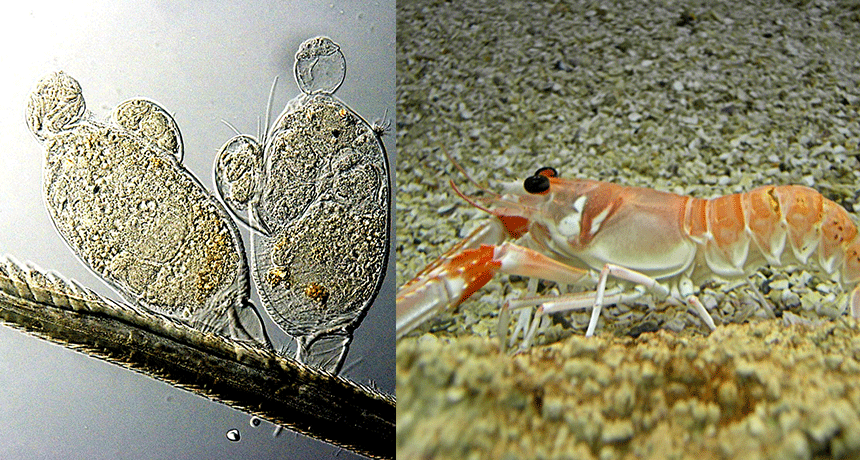
Living Mysteries: This complex beast lurks on lobster whiskers
A tiny animal discovered on a lobster’s whiskers shows that the smallest animals on Earth can be surprisingly complex.
- Life
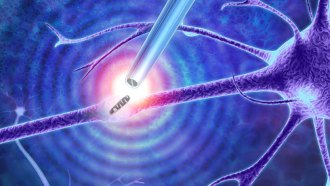
Electro-tweezers let scientists safely probe cells
These nanotweezers can sample the innards of cells without killing them. They use an electric field to net materials for study. And they are gentle enough to repeatedly probe the same cell.
- Animals
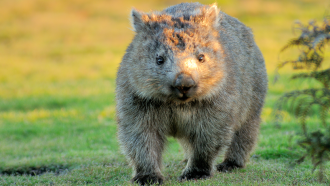
How wombats make their unique cube-shaped poop
The elasticity of the wombat’s intestines helps the creature to shape its distinctive scat.
- Animals
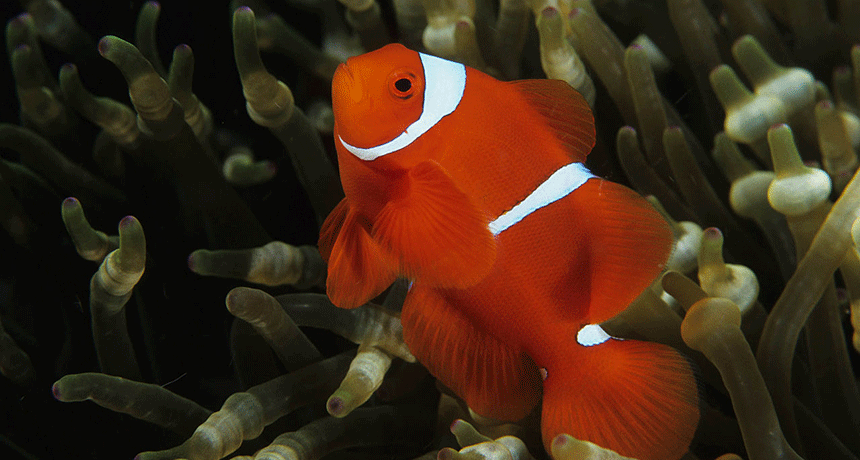
Scientists Say: Symbiosis
Two species can live together and support each other in a relationship called symbiosis.
- Animals
How do elephants eat cereal? With a pinch
Elephant trunks can grab everything from whole trees to cereal bits. To pick up fine grains, they press, then pinch.