Life
- Animals
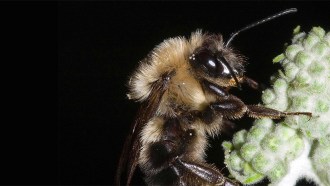
Bees stopped buzzing during the Great American Eclipse
A rare study of bees during a total solar eclipse finds that the insects buzzed around as usual — until the darkness of totality arrived.
- Brain
Zaps to spinal cord help paralyzed people walk
Sending electrical pulses to the spinal cord can help paralyzed people learn to walk again, new tests show.
- Genetics
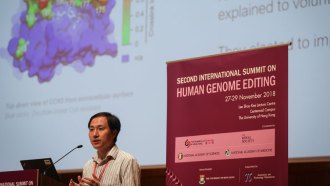
Scientist reports first gene editing of humans
A Chinese researcher claims to have edited the DNA of human embryos. Babies from those embryos were born this month, and the news kicked off a firestorm of controversy.
- Chemistry
Six things that shouldn’t pollute your drinking water
These are why drinking untreated water can be harmful. But keep in mind, today’s water-treatment plants still won’t remove all of these.
- Chemistry
Explainer: How is water cleaned up for drinking
Unless you’re drinking well water, city folks typically get drinking water that has been treated in a water-treatment plant. Here’s what that means.
- Brain
Young people’s memory improves after stopping marijuana use
Paying teens and young adults to stop using marijuana improved their memory within one week. The results hint that some impairments from pot may be reversible — at least for a time.
- Brain
People may be literally led by their noses
The brain links people’s senses of nagivation and smell, according to a new study.
- Life
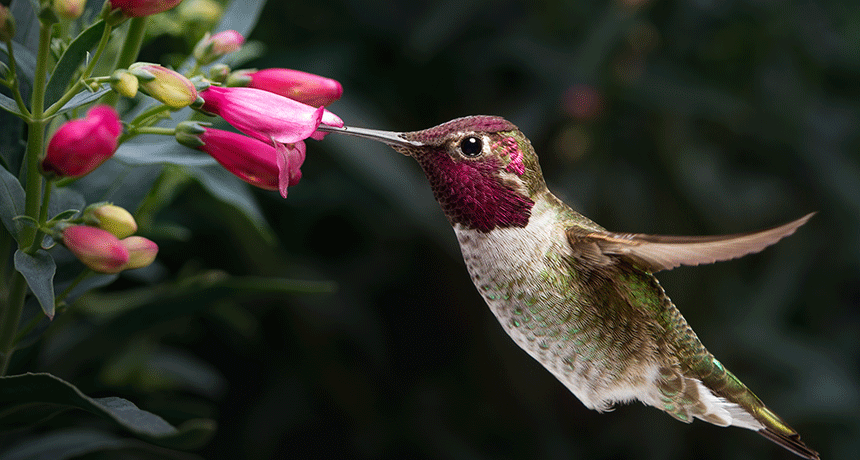
Scientists Say: Nectar
Nectar is a fluid filled with sugar that plants — especially flowers — produce. They use it to attract animals that will then spread their pollen to another plant.
- Genetics
Plants don’t grow well when always on high alert
Plants make bitter-tasting chemicals to defend themselves against hungry bugs. But they pay a cost for always being on alert, scientists find.
- Fossils
T. rex pulverized bones with an incredible amount of force
Tyrannosaurus rex’s powerful bite and remarkably strong teeth helped the dinosaur crush bones.
- Genetics
Gene editing creates mice with no mom
Scientists used gene editing to make the first ever mice with two dads. But these motherless pups died soon after birth.
- Brain
How your brain is like a film editor
A brain structure called the hippocampus may slice our ongoing lives into distinct chunks so that they can then be stored as memories.