Physics
- Physics
This microphone picks up sounds by watching them
This microphone can “hear” by viewing the tiny vibrations made in everyday objects as sound waves strike them.
- Tech
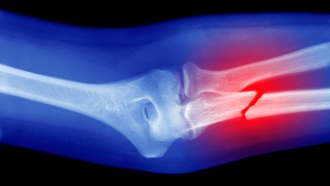
A modified glue gun squirts a material to help heal broken bones
The handheld printer might someday apply bone-repair patches directly onto fractures — complete with antibiotics to prevent infection.
- Space
Scientists caught a black hole ringing like a bell
Two black holes merged, creating a new, bigger one. This event triggered the clearest ripples in spacetime ever observed.
- Earth
These ultra-long experiments outlive their scientists — on purpose
To study phenomena that unfold over decades or even centuries, scientists may launch projects they may never see finished.
- Chemistry
New materials yank ‘forever chemicals’ from water
Materials known as metal-organic frameworks, or MOFs, trap some PFAS fast — and can be reused again and again.
- Science & Society
Behold the world’s weirdest library — which might save your life
This bizarre collection of “standard reference materials” help ensure the safety of waterways, buildings, medicines, foods and much more.
- Materials Science
Spooky! Grooved surface sends ice sailing — no outside push needed
Boulders that have mysteriously moved across Death Valley’s landscape inspired the work. The new surface can slingshot ice in a chosen direction.
- Space
Let’s learn about spooky ‘dark energy’
No one knows exactly what this stuff is, but it’s shaping our universe on the largest scales.
- Physics
Scientists Say: Infrasound
“Listening” for changes in these deep rumblings can allow scientists to predict earthquakes and other geological events.
- Chemistry
Structures that work like Hermione’s magic handbag land a chemistry Nobel
Richard Robson, Susumu Kitagawa and Omar Yaghi developed these metal-organic frameworks, which can trap pollutants, collect water from air and more.
- Physics
Discoveries behind quantum computers win the Nobel Prize in physics
John Clarke, Michel Devoret and John Martinis turned up quantum effects in an electric circuit. This 1980s find underlies today’s quantum computers.
- Physics
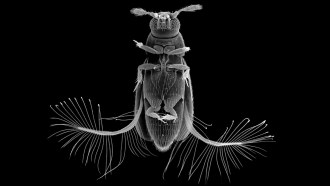
Comb-like wings help the tiniest insects swim through ‘syrupy’ air
When you're the size of a grain of sand, flying through air is like swimming through a syrup. Bristled wings help the tiniest insects manage this.