Science & Society
- Animals
This bird nest becomes a ‘fortress’ using antibird spikes
The spikes were meant to keep birds away. But five nests found in Europe may use the bird deterrents for structure and to scare off predators.
- Tech
Horses are inspiring this roboticist to build trustworthy robots
Computer scientist Eakta Jain is looking at human-horse interactions for ideas about how to design robots that work well with people.
- Computing
Teen-created software IDs skin conditions, risky drivers and more
Researchers at the 2023 Regeneron ISEF unveiled computer programs to diagnose skin conditions, warn of dangerous driving and translate sign language.
- Math
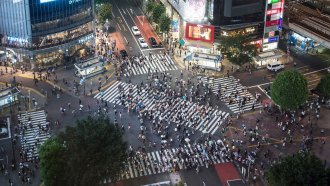
Math explains why dense crowds form surprisingly orderly lines
New research into the behavior of moving groups of people adds to decades of study on the wisdom of crowds.
- Humans
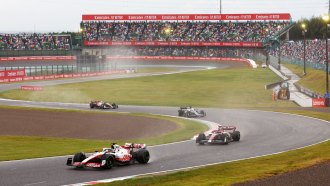
Race car drivers usually blink at the same places in each lap
Blinking is usually thought to be somewhat random. But a new study tracking blinks in Formula One drivers shows it can be predictable — and strategic.
- Climate
For greener toilets and air conditioning, consider saltwater
Using saltwater would allow coastal cities to save their freshwater for drinking and to reduce their carbon footprints. Some could save money, too.
- Space
This astronaut took a winding journey into space
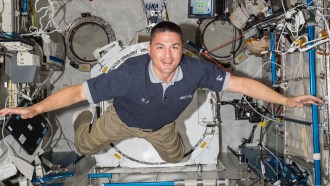
Astronaut Kjell Lindgren has flown into space twice and performed more than 100 scientific experiments. He is now part of the crew planning a return to the moon.
- Psychology
Done right, online learning might be as engaging as face-to-face
Measures of stress offer clues to how engaged students are during online lessons. This could help teachers design more effective classes.
- Psychology
Supportive spaces help LGBTQ+ youth thrive in school and beyond
Schools are safer and more welcoming when their policies respect and affirm LGBTQ+ students. Clubs can push for changes that boost kids’ mental health.
- Environment
Making yards more diverse can reap big environmental benefits
Replacing grass with native plants uses less water and fewer chemicals while providing additional benefits to people and wildlife.
- Space
Here’s why the moon must get its own time zone
But should moon time be like Earth time — or quite different? At issue: The moon’s lesser gravity will make seconds there tick faster than on Earth.
- Brain
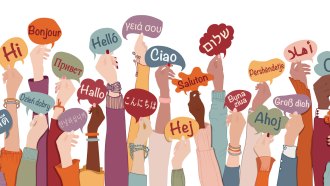
Let’s learn about the science of language
The languages we speak may help shape how we see, smell and hear the world around us.