Science & Society
- Life
For teens, big problems may lead to meaningful research
Several teens who competed at the Regeneron Science Talent Search applied their STEM know-how to solve problems they or their communities faced.
- Science & Society
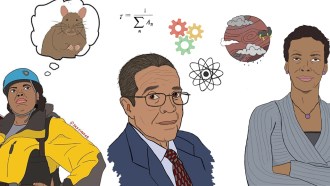
The superheroes in these comics were inspired by real scientists
Early in their careers, three scientists started a comics company to tell stories — all free and online — that explain and share their love of science.
- Health & Medicine
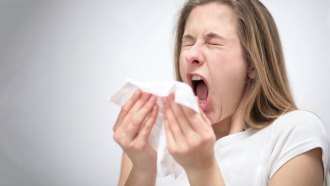
Ah-choo! Healthy sneezes, coughs sound just like sick ones to us
Think you can tell a sick cough from a healthy one? Think again. New research finds the human ear isn’t sensitive enough to tell the difference.
- Archaeology
Let’s learn about mummies
A mummy is a preserved body. They’re fun and spooky, but also a great chance to learn about people of the past.
- Health & Medicine
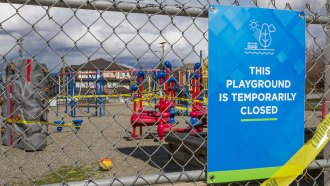
Millions of likely U.S. COVID-19 cases have gone undiagnosed
Over just three weeks in March, some 8.7 million people in the United States may have contracted COVID-19. That far surpasses the official tally.
- Health & Medicine
Waiting for a ‘smart’ toilet? It’s nearly here
With every bathroom visit, we flush away important health data. Scientists hope to change that with 'smart toilets' that analyze your body’s output.
- Health & Medicine
Coronavirus lockdowns may have avoided 531 million infections
Studies find big benefits from global coronavirus lockdowns. More than a half a billion of the potentially deadly infections appear to have been avoided.
- Animals
Why you’re spotting more wildlife during COVID-19
People are seeing more animals than they did before the pandemic. There are many reasons why.
- Animals
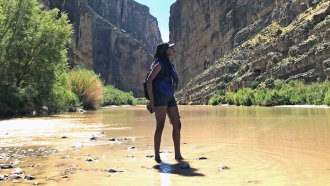
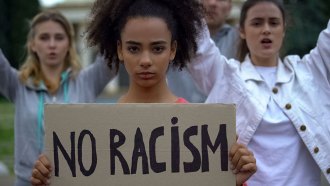
#BlackBirdersWeek seeks to open the outdoors for everyone
The social media campaign #BlackBirdersWeek hopes to show the world the many black birders and nature lovers of color.
- Humans
Let’s learn about bias
People can be biased, even if they don’t think they are. Luckily, there are ways to fight our biases.
- Science & Society
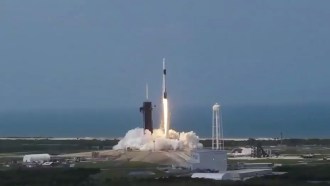
A first: Commercial rocket takes humans into space
Two NASA astronauts aboard the privately built Crew Dragon capsule are the first to be sent into orbit from U.S. soil since 2011.
- Humans
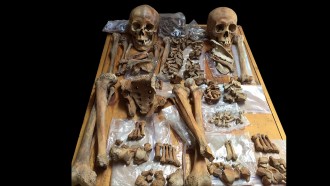
Skeletons hint that ancient societies had women warriors
Some women in North American hunter-gatherer societies and Mongolian herding groups may have been warriors.