All Stories
- Life
Scientists Say: Taphonomy
Studying what happens to plants and animals after they die can teach us about ecosystems and evolution. This study has a special name.
- Animals
This is no cold fish!
The opah is the fish closest to the whole-body warm-bloodedness typical of mammals and birds. This trait may give the species an edge in the ocean’s cold depths.
- Space
Collecting trash in space
Space junk threatens satellites that cost millions of dollars. But one teen has come up with an idea to collect and dispose of that orbiting trash.
- Animals
The bugs within us
Hordes of bacteria live inside people and other animals. This ‘microbiome’ can affect the development of the blood-brain barrier, food choices — even mating.
- Chemistry
The science of getting away with murder
A student took her love of crime shows to the next level. She did a science fair project to find out which cleaner works best at getting rid of bloody evidence.
- Brain
Studying? Don’t answer that text!
Homework time? Put away the cell phone. Responding to texts gets in the way of learning and test-taking, teen researchers show.
- Plants
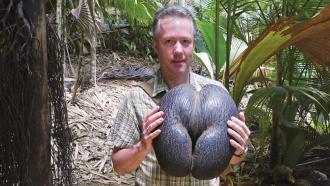
Picture This: The world’s biggest seed
This monster seed develops on a super-slow-growing island palm. Key to that palm’s survival are leaves that funnel fertilized water to nutrient-starved roots.
- Earth
Keeping roofs cooler to cut energy costs
Cool it! A cheap paint-on coating for roofing shingles could help reduce a home’s heating bills and might even trim urban ozone levels, a teen shows.
- Science & Society
Intel International Science and Engineering Fair concludes with awards ceremony
Here’s our summary of the awards ceremony of the Intel International Science and Engineering Fair as told in tweets.
- Genetics
Catching ZZZs may retrieve lost memories
Forgetful? Maybe you’ve forgotten to get enough shuteye. A study in fruit flies suggests that a good sleep can boost their ability to remember things.
- Tech
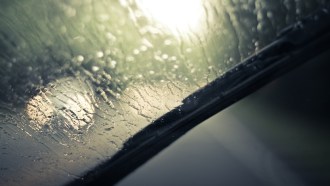
Teens want to make windshield wipers obsolete
Windshield wipers often can’t keep up with the rain. High-intensity air sprays might one day take their place, according to research by two teens.
- Animals
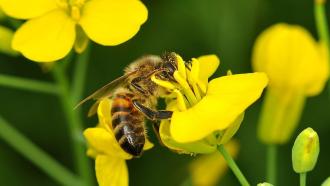
Pesticides offer bees a risky allure
Honeybees and bumblebees sometimes cannot taste or avoid pesticides called neonicotinoids. And that may expose some of these important pollinators to harm.