All Stories
- Math
To really learn, fail — then fail again!
Hands-on learning through trial and error is becoming more popular in schools. The good news: Mistakes can be very helpful.
- Earth
Glaciers on ice — for now
A rise in emissions of carbon dioxide, a greenhouse gas, isn’t just warming Earth. It also could be delaying the onset of the next global cool-down.
- Genetics
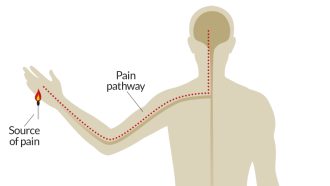
Altered gene leaves people totally painfree
That’s not a good thing for these people. Still, it could lead to a new class of drugs to help people who now suffer from chronic pain.
-
A gory good time with a dinosaur dissection
Scientists will never be able to examine a fresh, dead dinosaur. But thanks to TV magic, we can now see what it might be like if they could.
- Fossils
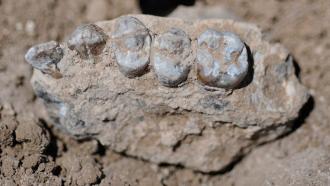
Fossil find adds a relative to our family tree
Lucy is the best known of our early ancestors. Now, a new fossil from Ethiopia suggests a second pre-human species lived alongside her kind.
- Earth
Too hot? Some peaks offer climate migrants lots of land
As mountain climates warm, species may actually gain ground as they migrate up to cooler sites, a new study finds.
- Animals
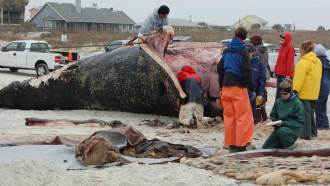
Scientists Say: Autopsy and Necropsy
Sometimes when animals die, they need to be investigated. These examinations have two special names. One is for people, the other for non-human animals.
- Health & Medicine
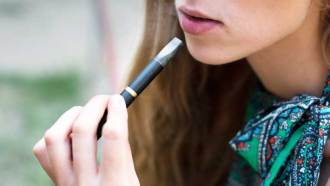
Vaping may harm the lungs
E-cigarettes are the most widely used tobacco product among U.S. teens. But emerging data suggest vaping can harm the lungs.
- Computing
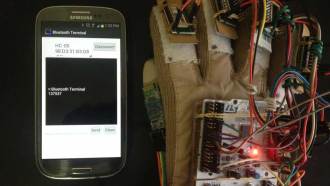
Computing: Swapping a glove for the keyboard
Sensor-studded gloves, designed by a Texas teen, might someday serve as a virtual keyboard or musical instrument — or even help interpret sign language.
- Plants
Using plants to solve environmental problems
Problems in their communities suggested good research projects to three teens. Each wanted to tackle a different issue, from pollution to world hunger. To learn more about these issues, they turned to their local ponds, wetlands and gardens.
- Tech
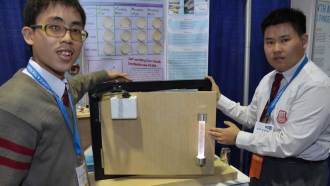
This door handle kills germs
A high-tech door handle may cut down on disease transmission, say its teen developers. The system is powered by simply opening and closing the door.
- Earth
Asteroids boiled young Earth’s oceans
At least two asteroids hit Earth 3.3 billion years ago. This superheated the atmosphere, boiled the oceans and shaped how early life evolved.