This tree is the number one choice for forest mammals going number two
Tree-dwelling mammals share the branches of strangler figs as a multi-species toilet
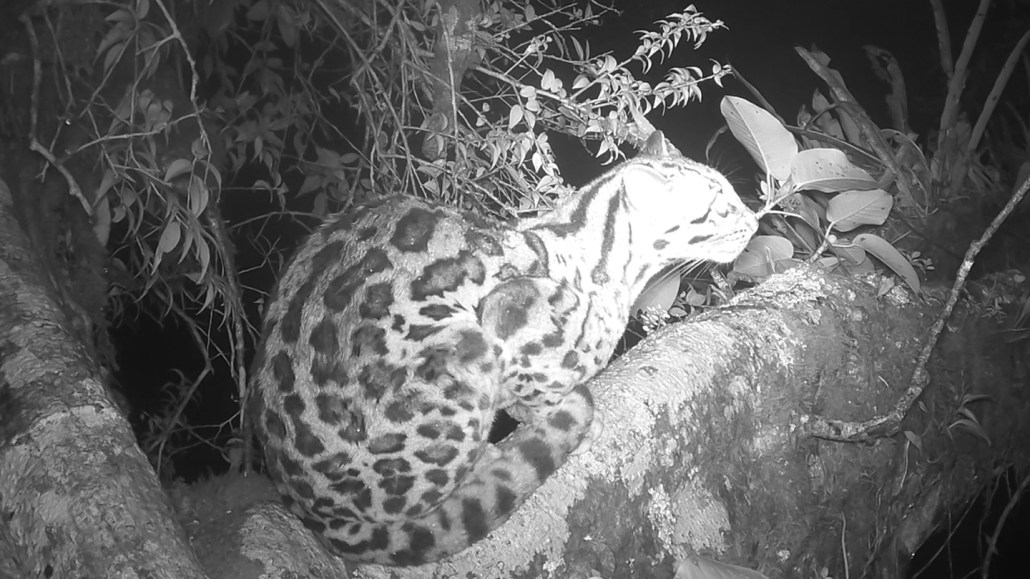
A small wild cat, called a margay, crouches on branches high up in a tree. The soil-filled spot where the branches join serves as a toilet. It’s visited by at least 17 different mammal species.
Tropical canopy ecology project
This is a human-written story voiced by AI. Got feedback? Take our survey . (See our AI policy here .)
When a human has a sudden need to go number two, they might seek out a bathroom. When mammals in the forests of Costa Rica need to poop, they find a strangler fig. A survey of 169 trees found 11 that doubled as elevated toilets; all were figs. Cameras caught 17 different species using one of these treetop potties.
Many mammals choose a favorite place to poo, says Mike Cove. He did not take part in the new research, but he does study mammals at the North Carolina Museum of Natural Sciences. That’s in Raleigh. There’ve been lots of reports of multiple tropical species sharing a pooping spot, Cove says. But all those toilets, also called latrines, were on the ground.
Jeremy Quirós-Navarro found his first treetop toilet by accident. At the time of this doo-doo discovery, he had been documenting plant life in the cloud forest of Costa Rica. These are forests that have a constant cover of mist and clouds. Quirós-Navarro works at the University of Connecticut, in Storrs, where he studies plant identification.
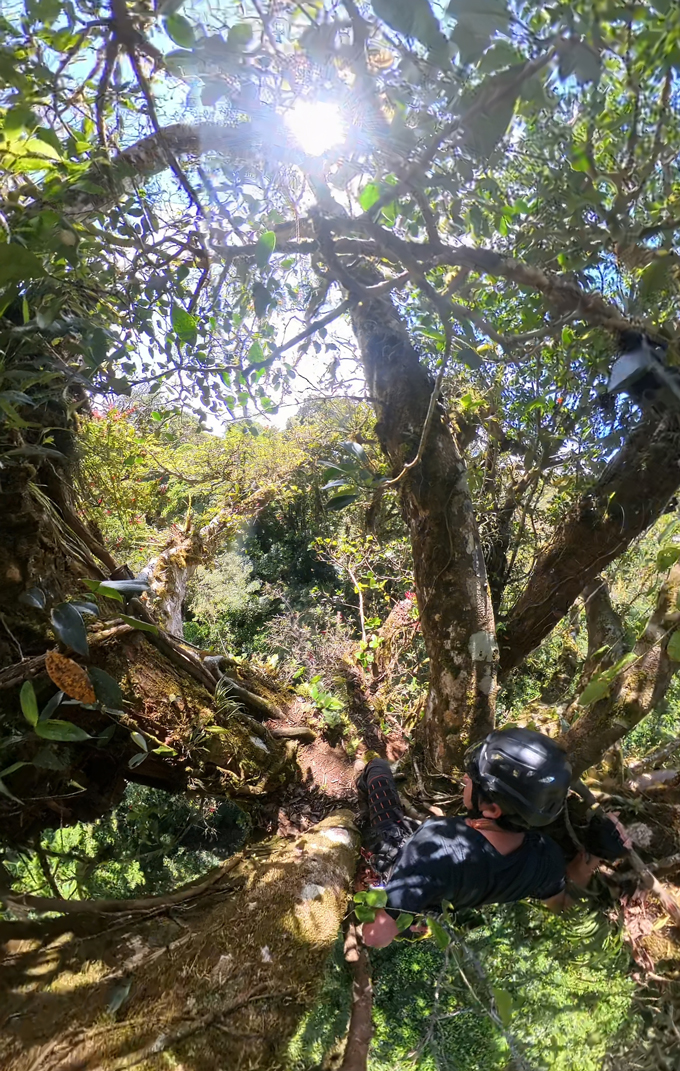
In a tree, right where a bunch of large branches came together, Quirós-Navarro found a pile of poo. As he kept climbing, he found more poop piles. “But only in a specific [type of] tree,” he says.
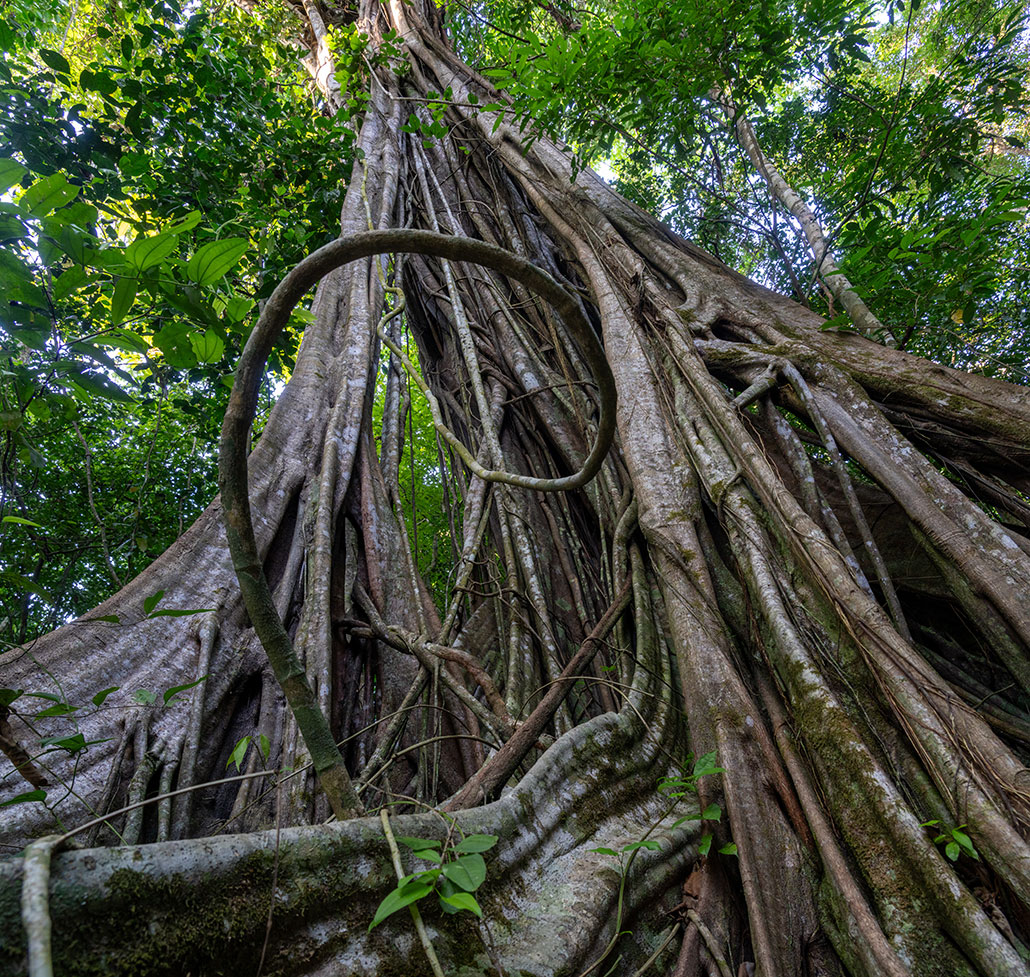
The lucky tree was a strangler fig (Ficus tuerckheimii). This plant is very important in tropical ecosystems. It provides plenty of food. It also has lots of holes that animals can use for shelter. Its wide, spreading branches along the forest ceiling also create walkways for many animals.
All these things make the strangler fig a hub for cloud forest mammals. That, in turn, makes this tree what scientists call a keystone species. Serving as a public restroom might be yet one more role that strangler figs play in forests.
Researchers shared their new findings March 16 in Ecology and Evolution.
The go-to for number two
Quirós-Navarro may have found the first fig tree toilet by accident. But after running into three more, “we started thinking that this is a pattern,” he recalls. So his team decided to look for more treetop latrines. They checked 29 different species — in all, 169 trees.
They turned up 11 latrines, all in strangler figs. In fact, 73 percent of the fig trees his team inspected had at least one pooping place. That’s almost three out of every four fig trees.
The scientists don’t know why figs are the preferred elevated forest potty. But Quirós-Navarro thinks the tree’s structure is important. “They have a specific and particular structure that forms, like, a hand at the crown,” he says. “All the branches grow from that part.”
The flat platform where all the branches join can be up to one meter (39 inches) wide and filled with soil and small plants. And poop.
A bathroom grapevine
To figure out which critters visited treetop toilets, researchers added a camera trap to one of the latrines. Over two months, this potty was used by about three mammals a day. They came from 17 different species.
Mexican hairy dwarf porcupines were the most frequent visitors. But kinkajous, opossums, pocket mice, coatis and capuchin monkeys all stopped by. Even margays, secretive tree-dwelling cats, hit the toilet (though only to spray urine).
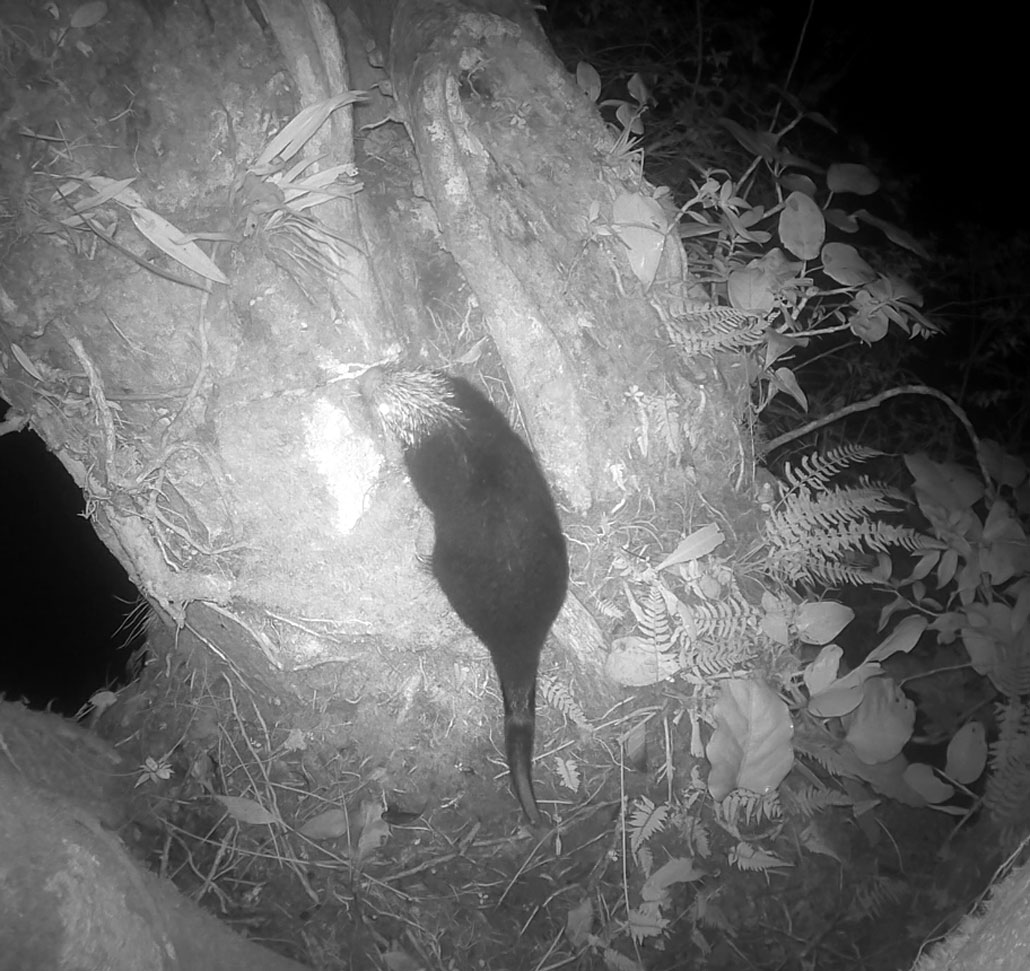
The most surprising visitor was Hoffmann’s two-toed sloths. This was unexpected because these sloths were thought to come down to the ground to poop. Both visits caught on camera were made by a female with young. That might be why they used the tree latrine. “It’s more [of a] risk for them to go and poop in the ground,” Quirós-Navarro says.
It’s also possible the sloth didn’t realize the platform wasn’t the ground, Erik Hom points out. He studies symbiosis at the University of Mississippi in University and did not take part in the research. Once an animal is in a tree, “coming down is quite a way,” he says. So a flat, dirt-covered place in the branches might seem enough like the ground to go on.
It’s especially interesting that there are so many species using these poop spots, Cove says. “You have all of these animals coming together,” he says. They are “scent marking, defecating, urinating — and then, in some cases, rolling in it.”
Tree toilets might serve as the group chats of the forest canopy, Quirós-Navarro adds. All these mammals using the same toilet leave signals for each other through their poop and pee. The message could be “a predator was here,” “I’m looking for a mate” or even “this tree is mine.”
In the future, Quirós-Navarro hopes to find out why fig trees are the forest’s potty of choice. But serving as potties only adds to the strangler fig’s value in tropical forests. It’s a food source, a highway — and now, a la-tree-n.
Do you have a science question? We can help!
Submit your question here, and we might answer it an upcoming issue of Science News Explores