Uncategorized
- Tech
Training AI to be really smart poses risks to climate
As artificial intelligence models grow larger and consume more energy, experts have begun to worry about their impact on Earth’s climate.
- Science & Society
Machine learning includes deep learning and neural nets
By combining patterns found in mountains of data with information gleaned from mistakes, these computer programs expand their artificial intelligence.
- Health & Medicine
Teen depression linked to how the brain processes rewards
Depression in teens alters their brains’ pathways in ways that may put those kids at risk of lifelong mental-health problems — unless they get help.
- Animals
Fin whales could help scientists map what lies below the seafloor
Fin-whale calls are loud enough to penetrate into Earth’s crust, offering scientists a new way to study the properties of the ocean floor.
- Health & Medicine
Bringing COVID-19 vaccines to much of world is hard
The price of not vaccinating nearly everyone across the world could be a longer pandemic and more troubling variants of the new coronavirus.
- Health & Medicine
When COVID-19 comes for your science fair
When labs shut down due to COVID-19, teens took their science fair projects to the internet and … sometimes even to the bathroom.
- Fossils
Scientists Say: Hominid
Scientists are still working out what counts as a hominid. Some say it’s just people and our extinct ancestors. Others say add more apes.
- Animals
Butterflies use jet propulsion for quick getaways
If you have ever tried to catch a resting butterfly, you know they are surprisingly difficult to nab. A new study helps explain why.
- Earth
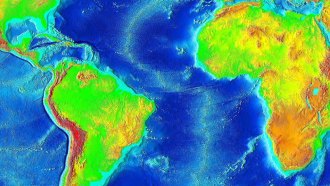
Rock rising from below the Atlantic may drive continents apart
Molten rock rising from the deep mantle at the Mid-Atlantic Ridge may drive plate tectonics there more than had been expected.
- Math
Better data lead to better forecasts
Scientists turn to mathematical models to make good predictions. But if they don’t put good data into those models, they won’t get reliable forecasts. So good data are key.
- Math
Beyond crystal balls: How to make good forecasts
Science shows mounds of data and some math are key to predicting future events.
- Animals
More playtime and meatier meals might reduce kitty kills
Keeping cats indoors is the best way to prevent them from killing wildlife. But small changes to diet and play can help, too.