Uncategorized
- Animals
This extinct bird boasted dinosaur-like teeth
Fossil skulls from an ancient bird shows this flyer had a beak — but dino-like chompers to chew through its prey.
- Climate
Hurricane Maria’s Puerto Rican death toll skyrockets 72-fold
The death toll had been just 64 — and then scientists launched household surveys. Those showed the “official” toll was off by more than 4,500.
- Physics
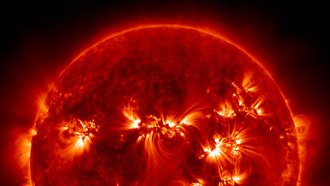
An active sun is a somewhat smaller sun
The sun grows and contracts a little over cycles lasting around 11 years, new data show. Changes in the strength of its magnetic fields may help explain this.
- Genetics
Scientists Say: Intron
These are sections of DNA that are trimmed out before the DNA is copied RNA and translated into protein. But they still have important jobs to do.
- Animals
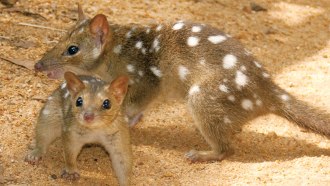
Uh oh! New approach to saving this species imperiled it
After years separated from predators, these endangered quoll lost their fear of them. This jeopardizes the safety of any quoll released back to their home range.
- Planets
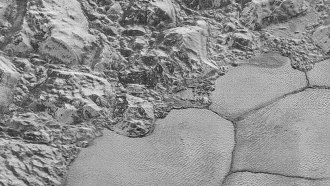
Pluto’s heart has dunes of methane ice
Pluto’s heart-shaped plains are striped with sand dunes. The sand is made of methane ice.
- Animals
Hefty dinosaurs had a trick for sitting on eggs safely
To keep their eggs warm without squashing them, some heavy dinosaurs laid eggs in a ring and sat in a space at the middle.
- Physics
To witness maximum pressure, peek inside a proton
Scientists used experimental data to estimate the pressures inside a proton. And surprise: Its mega-big — the greatest known!
- Space
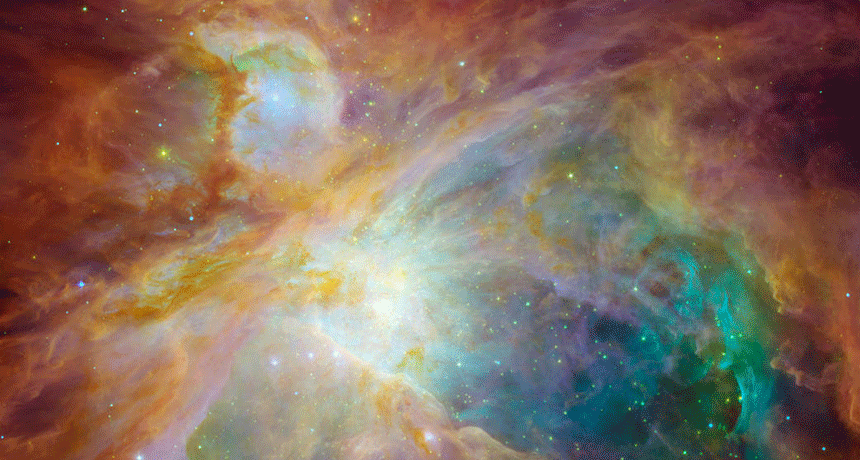
Scientists Say: Nebula
Nebulae are huge dust clouds in space. Some come from dying stars. Others are places where stars are born.
- Health & Medicine
Teens with eating disorders can find themselves bullied
In some kids, unhealthy eating behaviors may heighten their risk of being bullied and developing depression.
- Physics
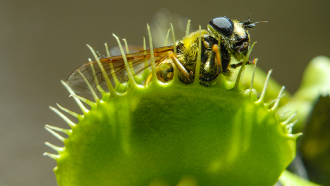
The plant world has some true speed demons
Some plants can fling, snap and hop at dizzying speeds. Such botanical gymnastics gives lie to the idea that all plants are slow, boring stick-in-the-muds.
- Chemistry
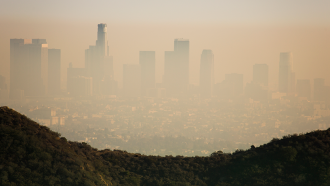
Analyze This: Beauty products are big sources of urban air pollution
In cities, a larger share of urban air pollution comes from the use of bath products, cleansers and more than does the burning of fossil fuels.