Uncategorized
- Physics
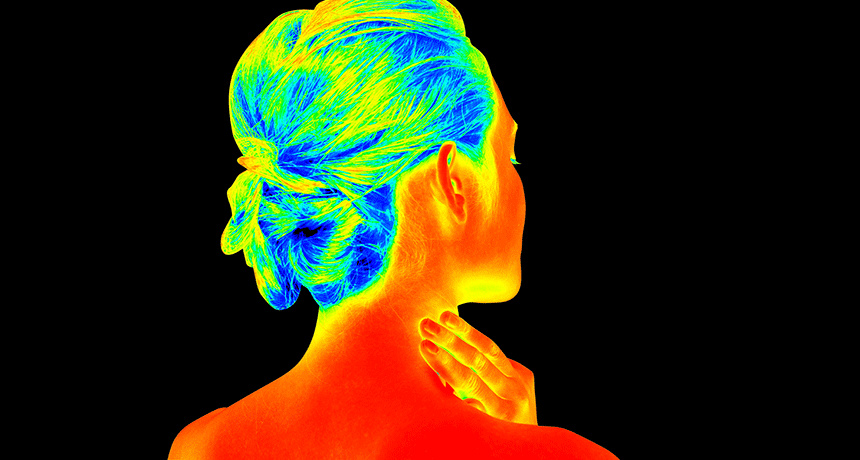
Scientists Say: Infrared
Infrared light belongs to a part of the spectrum that people can’t see. But this kind of light can be used to “see” the heat signatures of objects.
- Earth
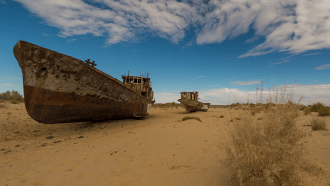
People are changing which parts of Earth get more (or less) water
Human activities have been reshaping the planet’s water map. Some changes created new lakes. Others caused lakes to disappear.
- Brain
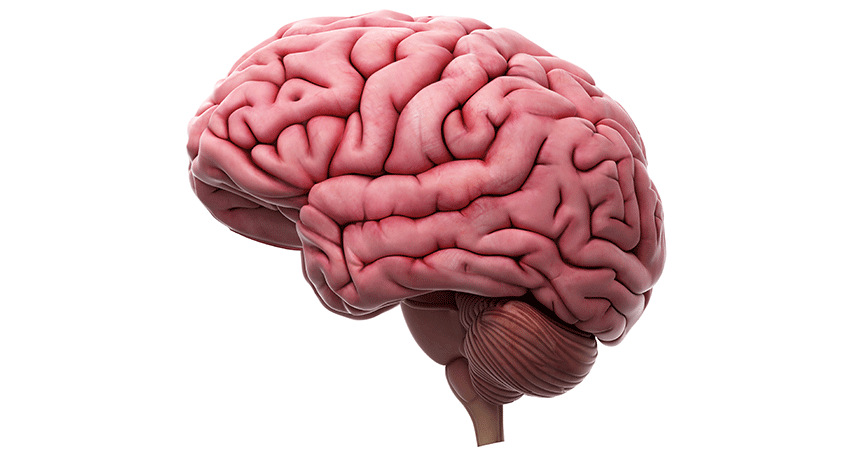
Taste good? Senses inform the brain — but don’t tell everyone the same thing
Whether something tastes appetizing depends on what a host of different sensory nerves collectively tell the brain. Warning: Sometimes they aren’t dependable — or even truthful.
- Health & Medicine
Explainer: Taste and flavor are not the same
What’s behind a food’s flavor? More than what we taste, it turns out.
- Life
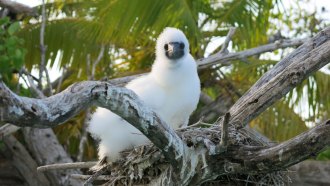
Bird poop helps keep coral reefs healthy, but rats are interfering
Eradicating invasive rats from islands may help boost numbers of seabirds. The birds’ droppings provide nutrients to nearby coral reefs.
- Microbes
Finding living Martians just got a bit more believable
What might a real Martian look like? Scientists have a better idea after identifying a buried liquid lake on the Red Planet.
- Earth
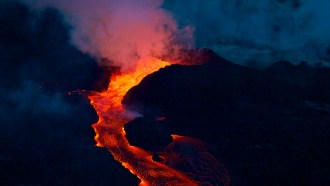
Kilauea’s volcanic fireworks show no signs of stopping
Watch some of the most striking videos and images of the ongoing eruption’s strange, fiery beauty.
- Animals
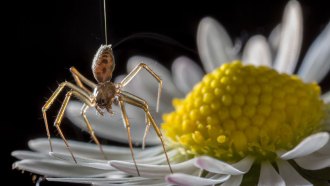
Electric currents in the air may cue ‘ballooning’ spiders on when to take off
Some spider species float on the breeze using a parachute of silk. A new study suggests electrical charges in the air help spiders time these flights.
- Brain
Scientists Say: Ventral striatum
The ventral striatum is an area of the brain that plays an important role in mood, learning and addiction. It has a lot of dopamine, a chemical messenger.
- Animals
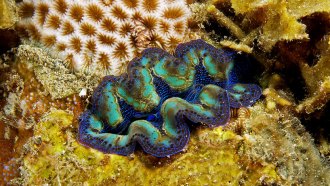
Here’s how a clam can hide within a rock
Old boring clam research has been upended after 82 years.
- Physics
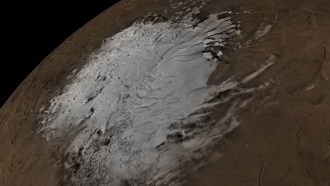
Mars appears to have a lake of liquid water
A 15-year-old Mars orbiter has spotted signs of a salty lake beneath the Red Planet’s southern polar ice sheets.
- Animals
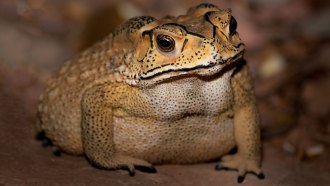
Toxic toads pose threat to Madagascar’s predators
The Asian common toad, an invasive species in Madagascar, produces a chemical in its skin that’s probably toxic to most of the island’s predators.