Light pollution could be supercharging your pollen allergies
In the Northeast’s brightest cities, pollen season was two months longer than in rural areas
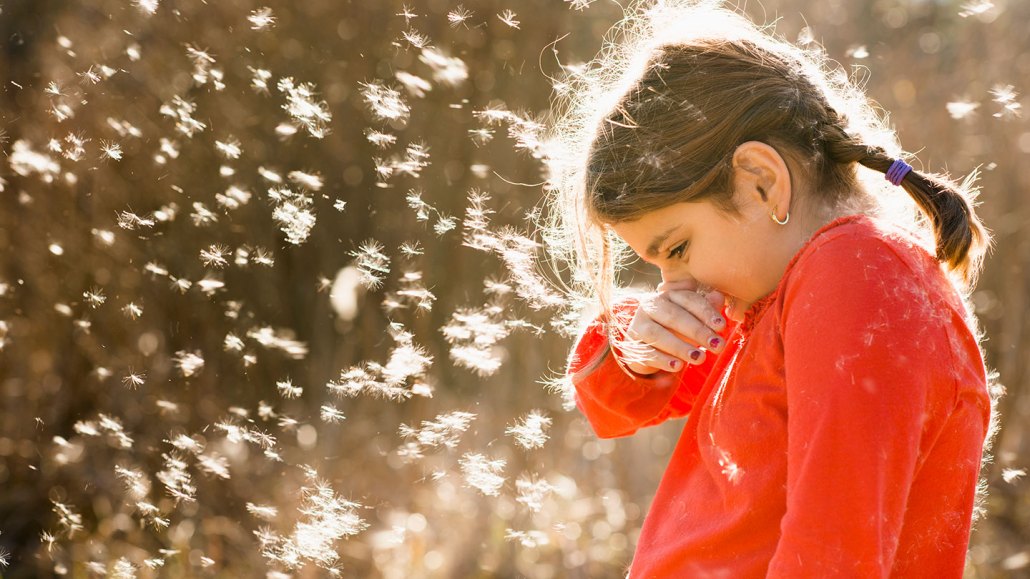
Achoo! Contrary to popular belief, allergy-causing pollen doesn’t come from trees with visible flowers. It comes from wind-pollinated trees and grass that produce tiny seeds. And unfortunately for people with pollen allergies, urban light pollution may be extending the pollen season by weeks or months.
Sollina Images/Photodisc/Getty Images Plus
This is a human-written story voiced by AI. Got feedback? Take our survey . (See our AI policy here .)
Nearly one in four U.S. adults have seasonal allergies. So do one in five kids. Most of those allergies are to mold spores or pollen from ragweed, grasses and trees. Now, a study finds, flashy billboards, streetlights and bright buildings are extending pollen season in cities.
Indeed, that season can now run two months longer there than in rural areas.
Why? Plants are sensitive to changes in day length — how many hours of sunlight they get. They also take cues from changes in temperature and rainfall. In spring, days gradually lengthen at the same time that soil and air temps rise. These cue tree buds to swell and break open. Likewise, longer and warmer summer days prompt plants to flower and release pollen.
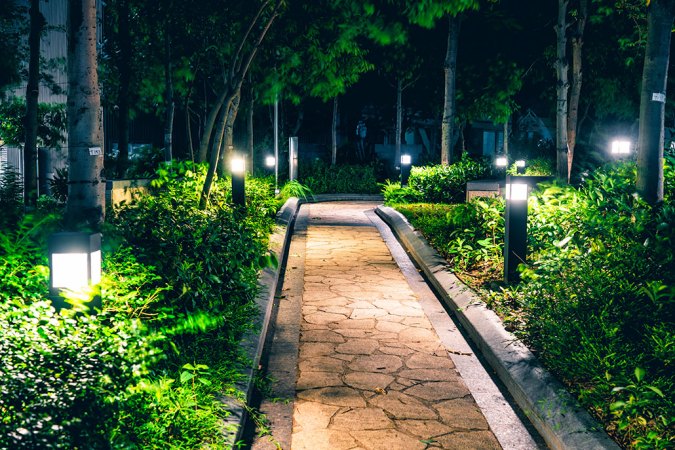
Exposure to lights at night can “disrupt the natural day-length signal,” says Lin Meng. She’s an ecologist at Vanderbilt University in Nashville, Tenn. She’s also an author of the new study. Night lighting makes plants think days are longer than they really are.
Past studies had found that global warming has been extending and intensifying the pollen season in North America. Spring has also been coming six days earlier on average in the United States. Meng and her team wondered if light pollution affected pollen season, too.
Four seasons in bright cities
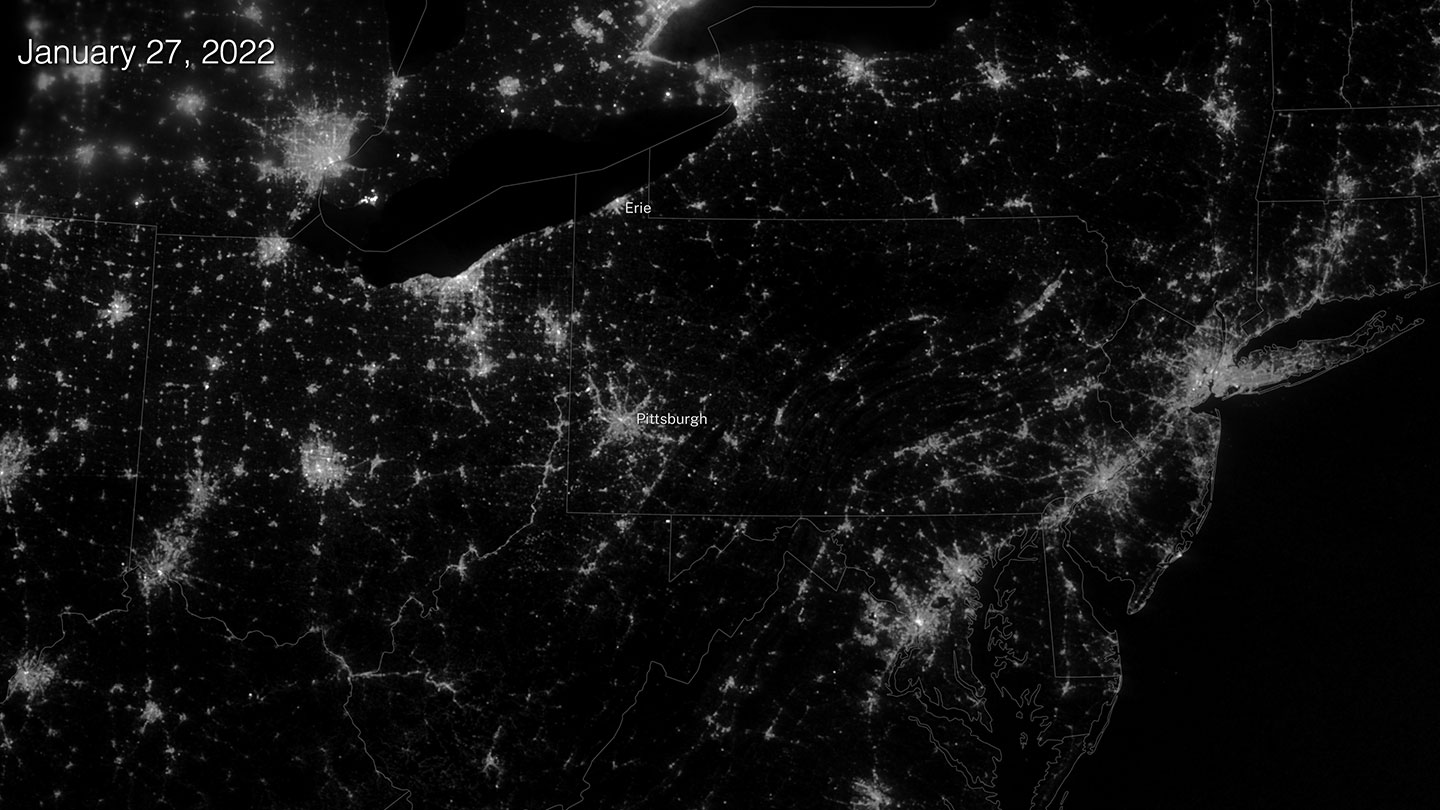
To find out, they studied daily pollen data from the U.S. Northeast between 2012 and 2023. The measurements came from 12 pollen-monitoring stations. All had been managed by the National Allergy Bureau. (It’s a resource of the American Academy of Allergy, Asthma and Immunology.) The researchers compared those pollen data with satellite measurements of light at night. The team also looked at temperature and rainfall data.
Why focus on the U.S. Northeast? It has several of the country’s biggest and most light-polluted cities, Meng notes. These include New York City, Boston and Philadelphia. It also has four distinct growing seasons and large populations affected by pollen allergies.
Pollen season starts around 20 days earlier in cities than in rural areas, Meng’s team now reports. It also ends 20 to 30 days later. This suggests light-polluted cities expose people to pollen nearly two months longer than rural areas will. Cities also experienced more high-pollen days than rural areas — and more severe pollen levels.
Higher temperatures also help extend pollen seasons, the study found. Pollen season began earlier in warmer places.
“Our study shows that artificial light actually plays a role in the risk of pollen allergies,” Meng concludes. “This is just one example of how light pollution can affect the environment.”
Forecasting wheezy days
“Right now, allergy forecasts are mostly based on temperature,” Meng says. She thinks her group’s light-at-night findings could help improve pollen forecasts. These advise allergy sufferers when it’s safe to exercise outside.
Theresa Crimmins describes the new study as novel and impactful. “It’s a relatively recent notion,” this plant ecologist says, “but it has been established that artificial light influences the timing of flowering.” Crimmins works at the University of Arizona in Tucson.
More than 106 million people in the United States suffer from asthma and allergies. Pollen triggers many of their allergies. “Wind-pollinated trees and grasses cause most pollen allergies in North America,” Crimmins points out. “They generate a whole lot of pollen.”
The pollen season typically runs from spring to early summer. Tree pollen shows up first, followed by grasses. Ragweed sheds pollen toward fall. Pollen allergies cause itchy and watery eyes, sneezing, a runny or stuffy nose and a scratchy throat or difficulty breathing.
Less well known: Seasonal allergies can mess with our thinking. One Norwegian study of high school students found that when compared to those without allergies, random increases in pollen counts reduced test scores for students with allergies.
More studies needed
Crimmins is not sure how broadly the new findings might apply. The U.S. Northeast is “fairly compact,” she notes. “If you expanded [data collection] over a larger area, the story might get a little more complicated.” Areas with hills and valleys, different ecosystems and different climates might well turn up different results, she says.
Still, this study “is consistent with a lot of what we know experimentally,” says Jon Bennie. He’s a biogeographer at the University of Exeter in Cornwall, England. “We know that artificial light, at least locally, does alter the phenology of trees and grasses.” Phenology refers to the link between climate and biological events. Those events include things such as the budding of plants, emergence of animals from hibernation and migration of birds.
Bennie found it interesting, for instance, that the study found light pollution extended the end of the growing season more than its beginning. The start of pollen season is usually driven by a mixture of day length and temperature, he says. The end of the season is more dependent just on day length. “So that’s consistent,” he says.
Yet he, too, thinks the study needs more “robust” data. For instance, he’d like to see studies look into possible effects of urban heat islands on pollen levels in these regions. This is where concrete and asphalt in cities absorb the sun’s heat. That trapped heat makes cities become warmer than surrounding areas. (This is different from climate change, but climate change can make it worse).
There will always be uncertainties in studies that rely on remote-sensing (satellite) data, Meng says. “We weren’t able to validate it with ground data,” she says. “But we will be building on this study [in] future work.”
In the meantime, kids can help reduce light pollution. “Just turn off the light,” Meng says. “Reduce unnecessary lights outside your homes. It’s a type of pollution for trees and a waste of energy.”