biology: The study of living things. The scientists who study them are known as biologists.
cell: (in biology) The smallest structural and functional unit of an organism. Typically too small to see with the unaided eye, it consists of a watery fluid surrounded by a membrane or wall. Depending on their size, animals are made of anywhere from thousands to trillions of cells. Most organisms, such as yeasts, molds, bacteria and some algae, are composed of only one cell.
clone: An exact copy (or what seems to be an exact copy) of some physical object. (in biology) An organism that has exactly the same genes as another, like identical twins. Often a clone, particularly among plants, has been created using the cell of an existing organism. Clone also is the term for making offspring that are genetically identical to some “parent” organism. (v.) To make an exact copy of some physical object.
conservation: (v. conserve) The act of preserving or protecting something. The focus of this work can range from art objects to endangered species and other aspects of the natural environment.
DNA: (short for deoxyribonucleic acid) A long, double-stranded and spiral-shaped molecule inside most living cells that carries genetic instructions. It is built on a backbone of phosphorus, oxygen, and carbon atoms. In all living things, from plants and animals to microbes, these instructions tell cells which molecules to make.
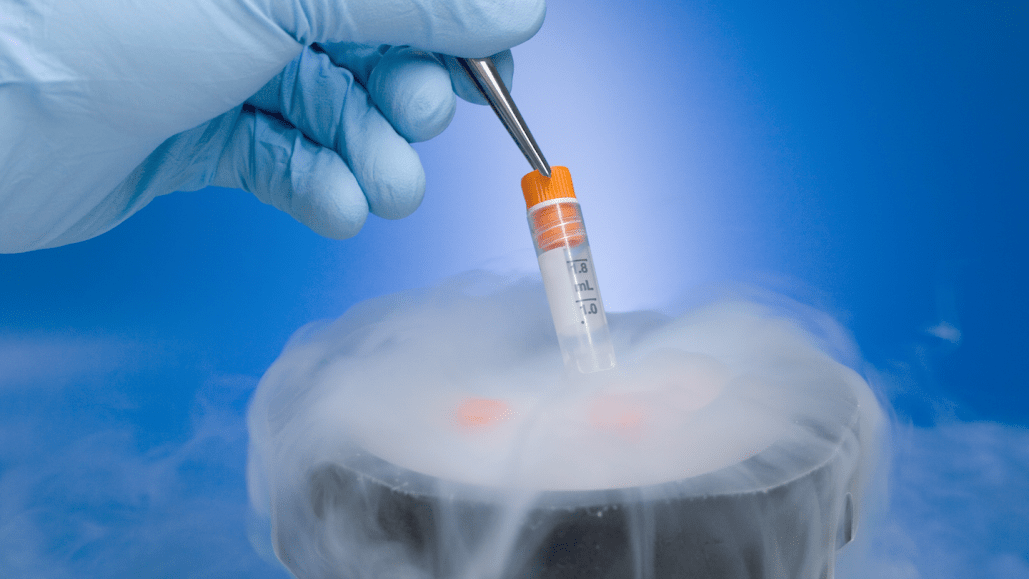
egg: A reproductive cell that contains half of the genetic information necessary to form a complete organism. In humans and in many other animals, ovaries produce eggs. When an egg fuses with a sperm, they combine to produce a new cell, called a zygote. This is the first step in the development of a new organism."
endangered: An adjective used to describe species at risk of going extinct.
field: An area of study, as in: Her field of research is biology. Also a term to describe a real-world environment in which some research is conducted, such as at sea, in a forest, on a mountaintop or on a city street. It is the opposite of an artificial setting, such as a research laboratory.
fuel: Any material that will release energy during a controlled chemical or nuclear reaction. Fossil fuels (coal, natural gas and petroleum) are a common type that liberate their energy through chemical reactions that take place when heated (usually to the point of burning).
genetic: Having to do with chromosomes, DNA and the genes contained within DNA. The field of science dealing with these biological instructions is known as genetics. People who work in this field are geneticists.
hydrogen: The lightest element in the universe. As a gas, it is colorless, odorless and highly flammable. It’s an integral part of many fuels, fats and chemicals that make up living tissues. It’s made of a single proton (which serves as its nucleus) orbited by a single electron.
liquid: A material that flows freely but keeps a constant volume, like water or oil.
methane: A hydrocarbon with the chemical formula CH4 (meaning there are four hydrogen atoms bound to one carbon atom). It’s a natural constituent of what’s known as natural gas. It’s also emitted by decomposing plant material in wetlands and is belched out by cows and other ruminant livestock. From a climate perspective, methane is 80 times more potent than carbon dioxide is in trapping heat in Earth’s atmosphere, making it a very important greenhouse gas.
rocket: Something propelled into the air or through space, sometimes as a weapon of war. A rocket usually is lofted by the release of exhaust gases as some fuel burns. (v.) Something that flings into space at high speed as if fueled by combustion.
solid: Firm and stable in shape; not liquid or gaseous.
species: A group of similar organisms capable of producing offspring that can survive and reproduce.
system: A network of parts that together work to achieve some function. For instance, the blood, vessels and heart are primary components of the human body's circulatory system. Similarly, trains, platforms, tracks, roadway signals and overpasses are among the potential components of a nation's railway system. System can even be applied to the processes or ideas that are part of some method or ordered set of procedures for getting a task done.
taste: One of the basic properties the body uses to sense its environment, especially foods, using receptors (taste buds) on the tongue (and some other organs).
thrust: A force that makes an object move forward.
tissue: Made of cells, it is any of the distinct types of materials that make up animals, plants or fungi. Cells within a tissue work as a unit to perform a particular function in living organisms. Different organs of the human body, for instance, often are made from many different types of tissues.
tool: An object that a person or other animal makes or obtains and then uses to carry out some purpose such as reaching food, defending itself or grooming.