Ecology
- Climate
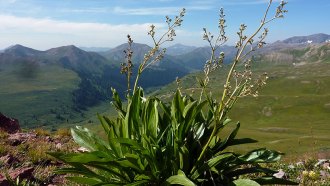
Climate closing the gender gap for this mountain flower
Among valerian plants, males like it hotter than the females do. So a warming climate has been speeding their migration up once-cool mountainsides.
- Life
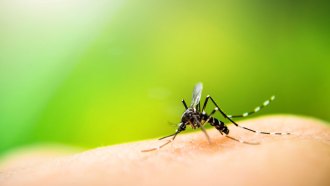
Scientists Say: Vector
Vectors are used to transfer things. Sometimes the transferred item is a disease, but scientists can also use vectors to insert helpful genes.
- Life
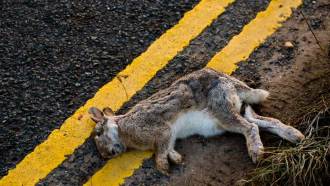
Scientists Say: Taphonomy
Studying what happens to plants and animals after they die can teach us about ecosystems and evolution. This study has a special name.
- Animals
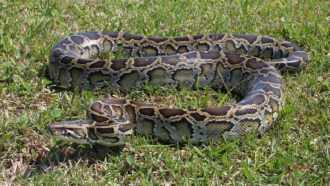
News Brief: Rabbit-hunting pythons are altering Everglades
Rabbits may breed rapidly, but not fast enough to compensate for the huge summer appetites of huge pythons roaming Florida’s Everglades.
- Life
Scientists say: Biomagnify
Chemicals in the environment can build up in an animal’s tissues. Predators who feed on these animals can accumulate more and more of the pollutants, a process known as biomagnification.
-
- Animals
A fallout feast for crabs
Crabs can take advantage of hot, toxic plumes from undersea vents to feed on poisoned plankton.
- Animals
Toxic Birds May Get Poison from Beetles
Eating certain beetles may make the skin and feathers of some birds poisonous.
- Animals
Prime time for cicadas
Researchers are tracking down why some types of cicadas emerge in vast numbers only once every 17 years.
- Ecosystems
Frogs get poison from ants
The skin of some frogs becomes poisonous after they eat certain kinds of ants.