
All Stories by Bethany Brookshire
- Chemistry
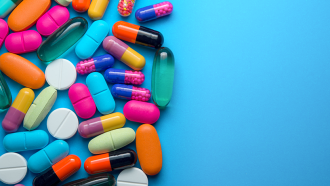
To test pill coatings, try a stomach in a flask
Which pain reliever should you buy? The tablet, gel tab or compressed caplet? A teen did an experiment to find out.
- Chemistry
BPA-free plastic may host BPA-like chemical, teen finds
Something has to replace the BPA in ‘BPA-free’ plastics. A teen has been probing what that is.
- Genetics
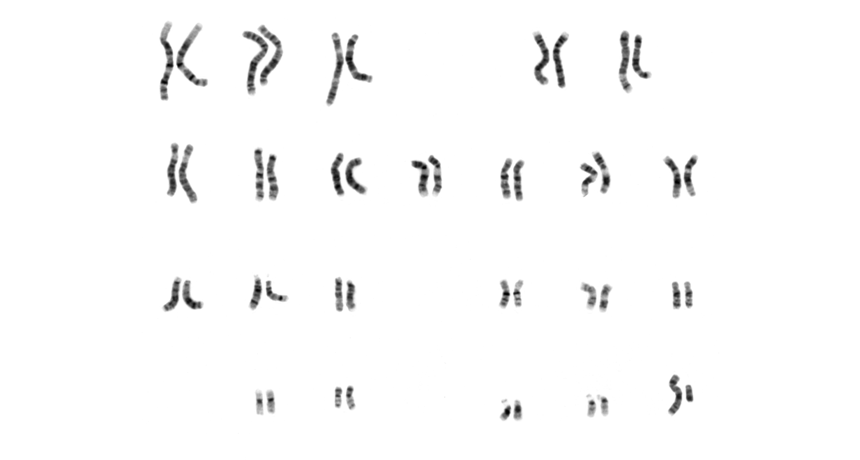
Scientists Say: Chromosome
This threadlike structure is made of DNA wrapped around protein. It allows the 3 billion base pairs in human DNA to stay neatly packaged in a cell.
- Earth
To study a geyser, these teens built their own
Fascinated by geysers but unable to see one? These teens decided to build their own. It allowed them to study how temperature and pressure make the water spew into a founta.
- Health & Medicine
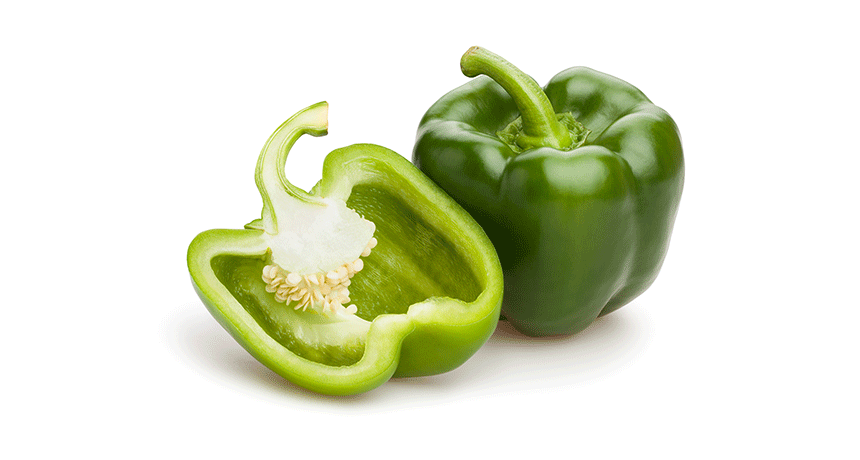
Cooking can alter a food’s vitamin C content
Scurvy plagued pirates and sailors on the high seas. It also inspired a teen to find out more about the vitamin C in her veggies.
- Physics
Physics guides teen in search for which bike tire is best
Mountain bikes have lots of options, including the size of the wheels. The choice a rider makes when buying a bike can affect how fast they can go.
- Animals
How the house mouse found its home
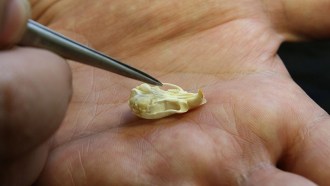
Once people started settling down 15,000 years ago, a mouse species followed them indoors. The animals didn’t need people to be farming and storing food.
- Animals
Nighttime lights can dim a firefly’s flash
Fireflies blink to attract mates. But when it’s too bright at night, the insects may stay away.
- Earth
Scientists Say: Continent
A continent is a large land mass. Geologists recognize six of them — Africa, Antarctica, Eurasia, Australia, North America and South America.
- Health & Medicine
A light-filled box could blast bacteria from lab coats
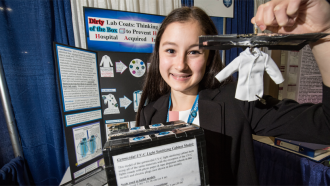
Doctors can pick up bacteria on their lab coats. A teen has designed a special light-filled box to keep those coats from infecting others with those germs.
- Health & Medicine
This mix turns pink when sunscreen wears thin
Many people know to put on sunscreen. Remembering to put more on is harder. A teen invented an indicator that glows pink when it’s time to reapply.
- Life
Scientists Say: Mitochondrion
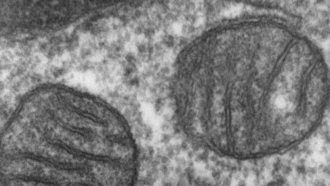
Mitochondria are structures inside cells that converts certain chemicals into adenosine triphosphate — a molecule cells use as energy.