
All Stories by Bethany Brookshire
- Health & Medicine
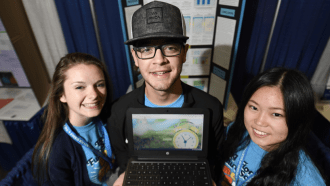
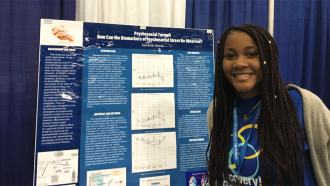
Teens take on science in the age of smartphones
With nearly every teen using a smartphone, it’s no surprise teen scientists are studying them. Two teams do science with smartphones, one on procrastination, the other on self-esteem.
- Agriculture
Sheep poop may spread poisonous weed
Fireweed is a poisonous plant in Australia. Sheep can eat it without hurting themselves. But a teen found those sheep may be spreading more weeds.
- Health & Medicine
Library books could come with a side of germs
People transfer microbes to most of the things we touch. Does that extend to our library books? A teen did an experiment to find out.
- Science & Society
Research is important because…
Teens wouldn’t do science unless they felt it was important. Here’s why they think it matters so much.
- Space
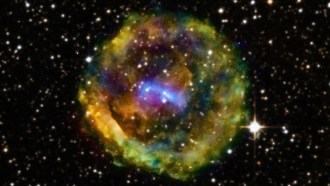
Scientists Say: Supernova
When a star has too much mass, it can explode. The explosion is called a supernova.
- Brain
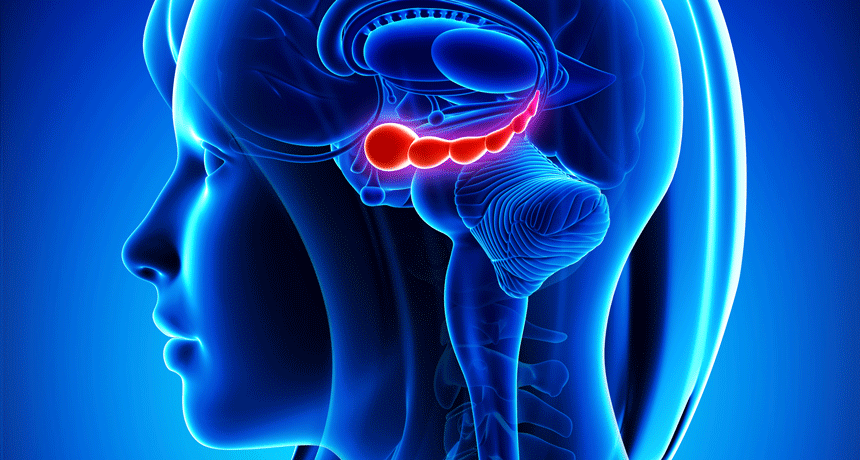
Scientists Say: Hippocampus
The hippocampus is an area of the brain that is essential for forming new memories.
-
Confidence in math predicts girls’ participation in STEM
Even with similar grades, high school girls rank themselves less able to handle tough math material. That may steer them away from math and science careers.
- Chemistry
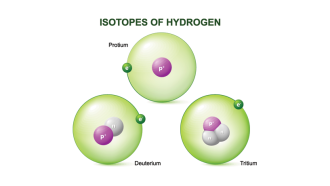
Scientists Say: Isotope
An isotope is a variety of an element that has the same number of protons but a different number of neutrons — or neutrally charged particles.
- Brain
Two brain areas team up to make mental maps
To find your way around, you need to remember where you are and plan ahead. A new study shows there’s a brain area for each task.
- Space
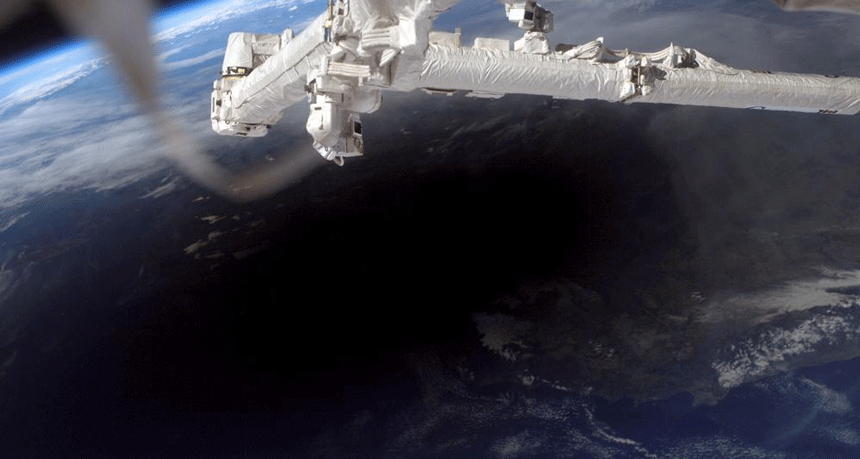
Citizen scientists wanted to make an eclipse megamovie
A solar eclipse will cross the United States on August 21, 2017. Video capture by people in the eclipse’s path can help with scientific research.
- Planets
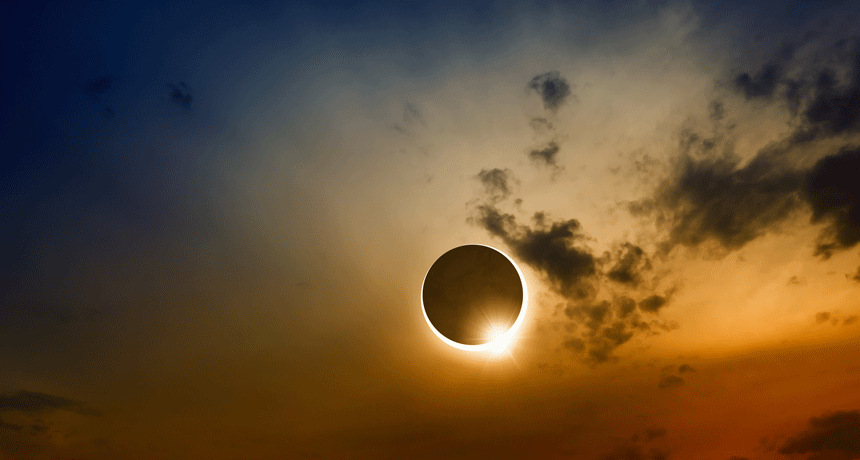
Scientists Say: Eclipse
How the sun, moon and Earth line up determines whether there’s a solar or lunar eclipse.
- Chemistry
Scientists Say: Atomic number
How do you know where an element sits in the periodic table? Count its protons to get its atomic number.