
All Stories by Bethany Brookshire
- Health & Medicine
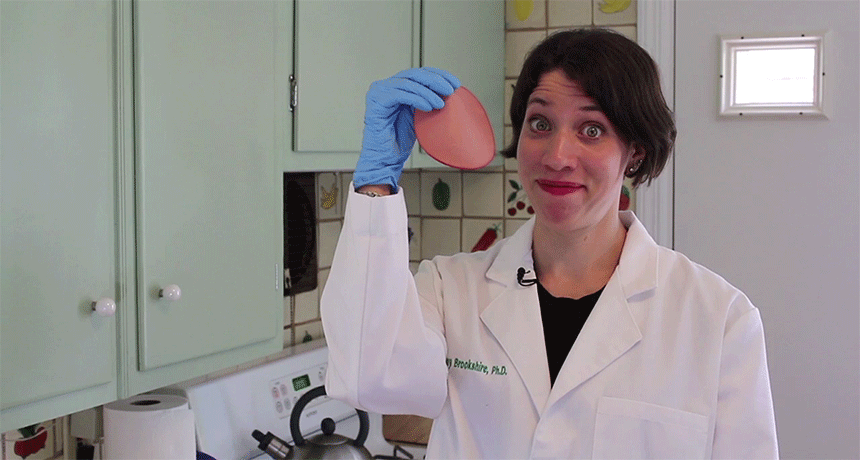
The five-second rule: Growing germs for science
Is it true that food dropped on the floor and picked up after five seconds is clean? To find out, we’re building an incubator and allowing any hitchhiking germs to grow.
- Health & Medicine
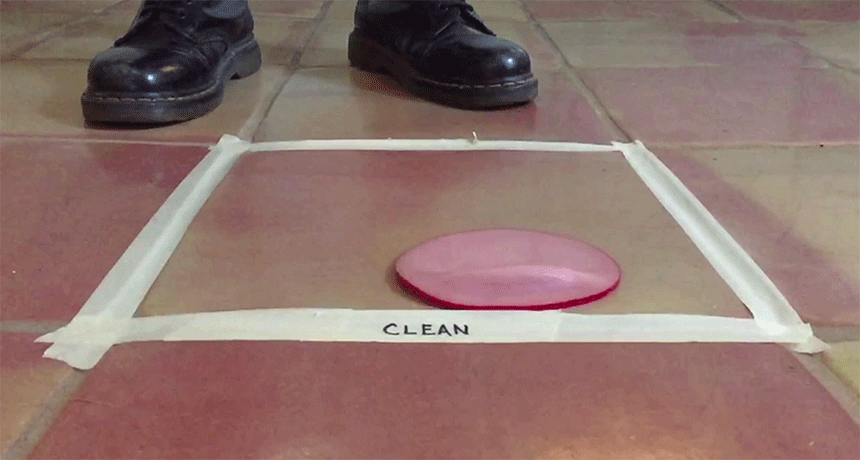
The five-second rule: Myth busted?
We’ve done an experiment to test the five-second rule. Now it’s time to analyze the data. Be forewarned: They’re not appetizing.
- Health & Medicine
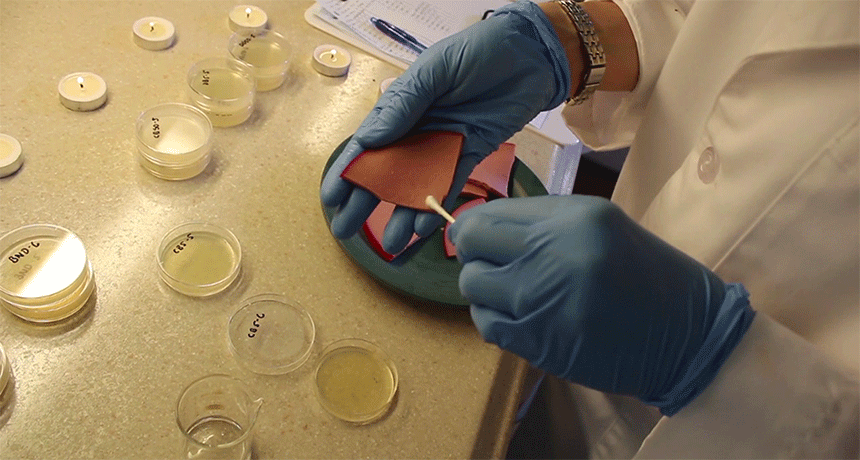
The five-second rule: Microbes can’t count
A good scientific study compares results to what other scientists have done. These scientists have all debunked the five-second rule.
- Chemistry
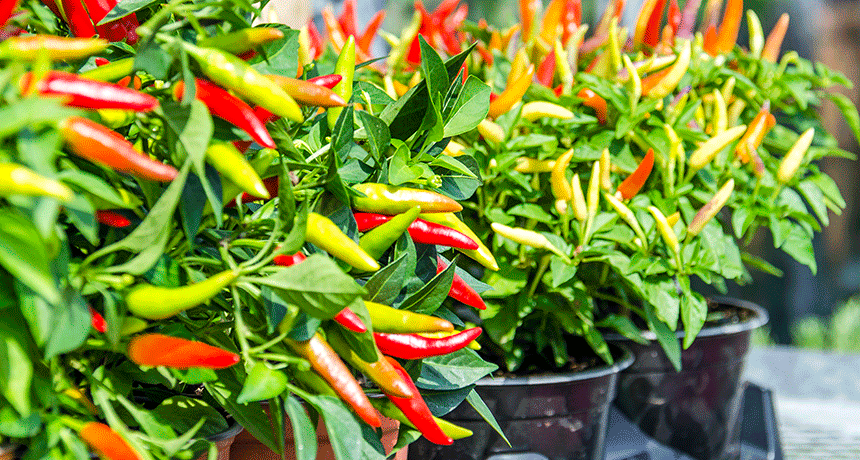
Scientists Say: Capsaicin
This chemical is produced by pepper plants and gives them their hot flavor.
- Chemistry
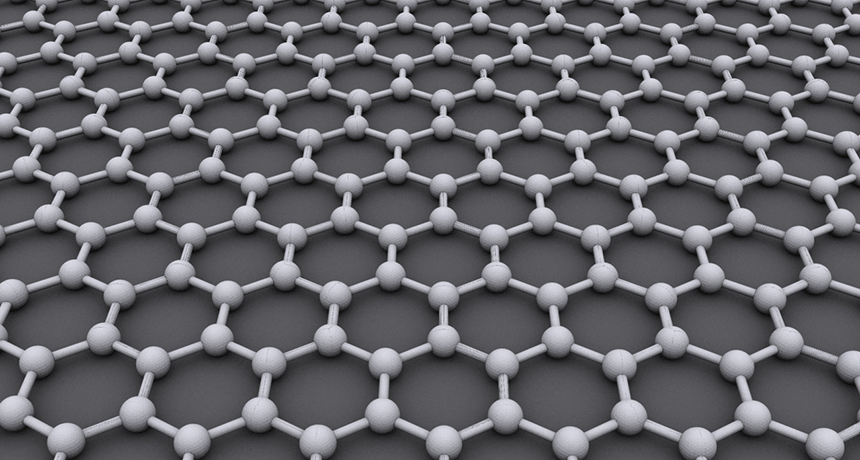
Scientists Say: Graphene
This is a single layer of carbon atoms, linked to each other in a flat sheet. It’s super strong, super flexible and conducts current, too.
-
Science classroom excitement is infectious
This is the right kind of peer pressure. Students who recalled excitement in their science classrooms were more likely to try a science career, a new study shows.
- Animals
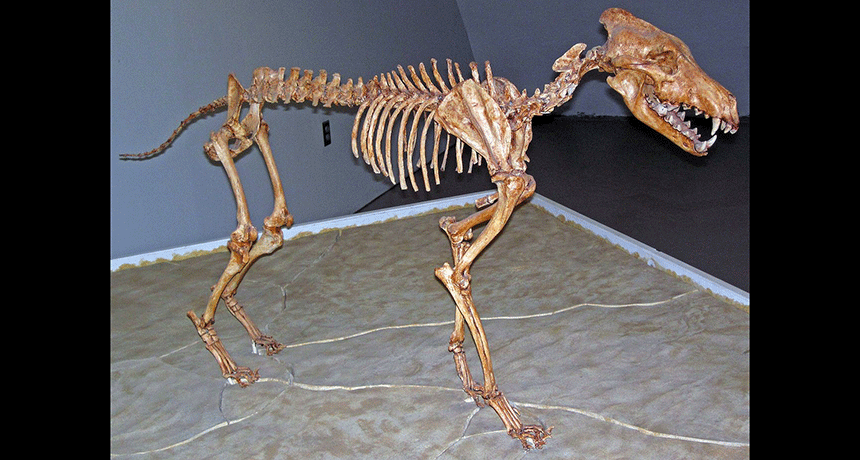
Scientists Say: Dire wolf
Dire wolves are an extinct species of wolf that roamed North America from about 300,000 to 12,000 years ago.
- Brain
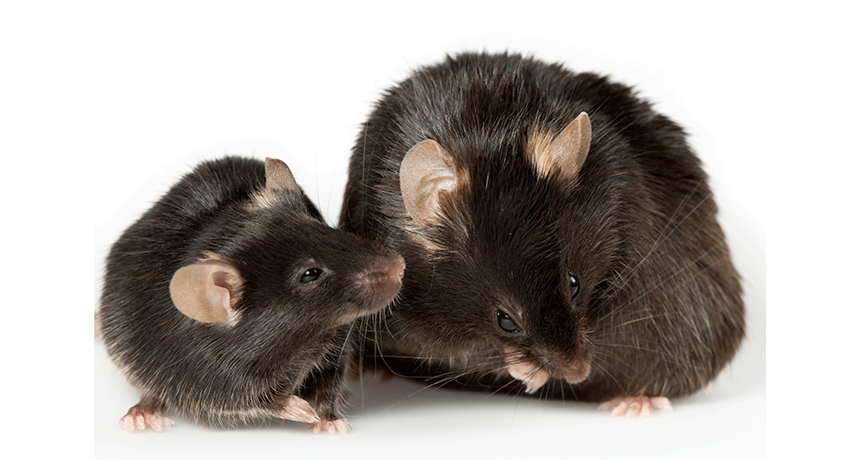
Brain’s immune system can play role in weight gain
Weight isn’t just calories in, calories out. When mice eat a fatty diet, immune cells in their brains become inflamed. That makes the animals gain more weight.
-
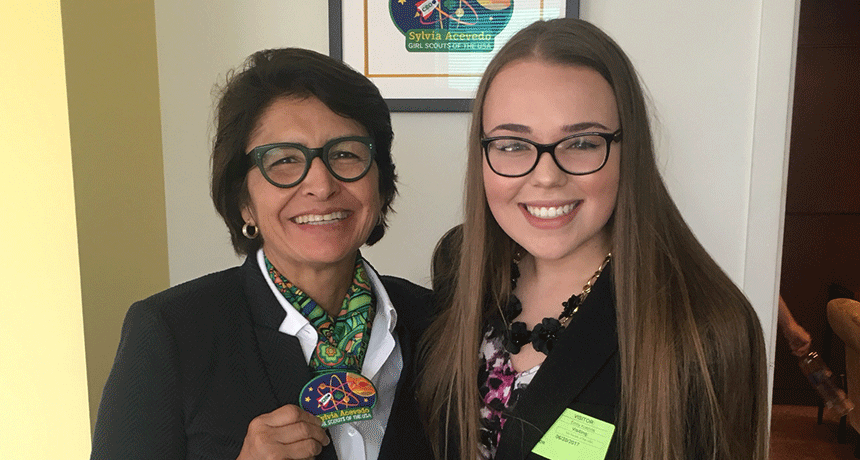
Teen interviews science role models to inspire others
Frustrated with a lack of female role models in science and math, a high school student created a YouTube channel to inform her peers about STEM careers.
- Animals
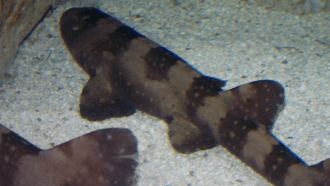
These sharks get help swallowing from their shoulders
Some sharks suck in food by snapping open their jaws. But to gulp it all the way down, they’ve got to give their shoulders a workout.
- Space
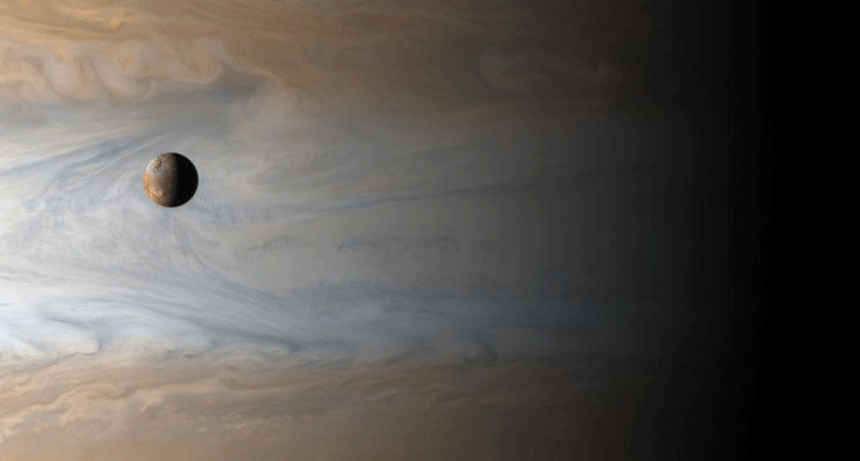
Scientists Say: Transit
When an object in space passes in front of a star and looks big enough to block out all the light, it’s an eclipse. When it’s smaller, it’s called a transit.
- Life
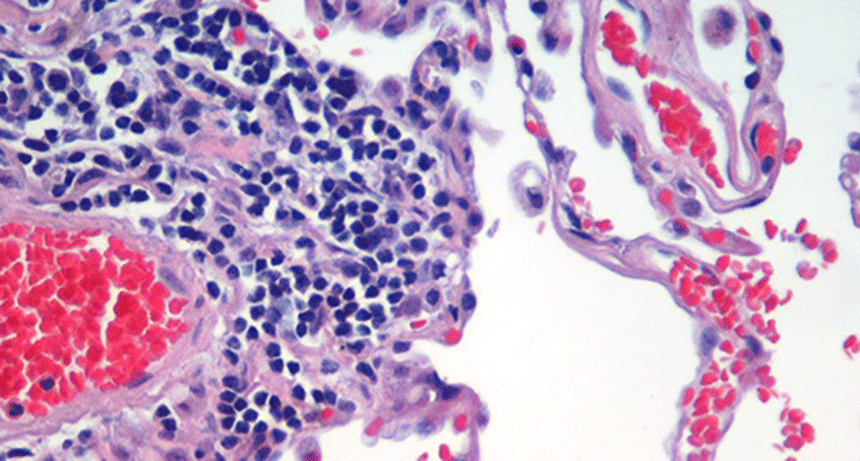
Scientists Say: Histology
When scientists study the parts of an animal or plant, they are studying anatomy. When they need a microscope to see the details of that anatomy, they are studying histology.