
All Stories by Sharon Oosthoek
- Animals
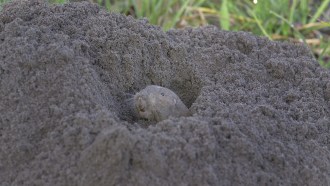
Gophers might be farmers, a controversial study suggests
Pocket gophers air out and fertilize the soil in a way that amounts to simple farming, two researchers claim. But not everyone agrees.
- Animals
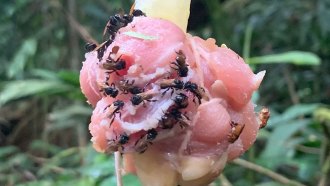
Meat-eating bees have something in common with vultures
Flesh-eating bees have acid-producing gut bacteria, much as vultures do. It lets them safely snack on rotting meat.
- Animals
A bubble of air lets some lizards breathe underwater
Anolis lizards leap into streams to escape danger. Now researchers have figured out how they can stay underwater for up to a quarter of an hour.
- Health & Medicine
Warning! Junk foods can harm a teen’s brain
The adolescent brain has a hard time resisting junk food. But high-fat, high-sugar diets can interfere with learning and pose risks to mental health.
- Agriculture
Learning what stresses queen bees could save their hives
Beehives often die off after the queen gets too stressed to make enough babies. New tests could identify what stressed her — and point to solutions.
- Environment
Washing your jeans too much might pose risks to the environment
Jeans shed thousands of denim fibers in every wash. Those fibers, and the chemicals used to treat them, now are showing up in even the Arctic Ocean.
- Climate
Changing climates can take cooling tips from warm regions
When summer heat waves hit northern cities, people might look to keep cool using tropical building strategies — and forgotten architectural wisdom.
- Animals
Quacks and toots help young honeybee queens avoid deadly duels
It’s not just ducks that quack. Honey bees do it too. They also toot. Researchers eavesdropped on hives to find out why.
- Animals
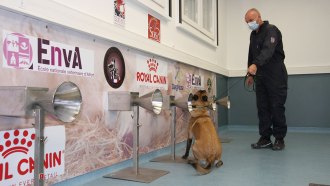
Viral scents? Dogs sniff out coronavirus in human sweat
Researchers train dogs to sniff out COVID-19. In the United Arab Emirates, sniffer dogs have already begun identifying infected passengers at airports.
- Chemistry
Help for a world drowning in microplastics
Microplastic pollution in our oceans and lakes is a problem. Scientists are testing solutions — from more biodegradable recipes to nanotechnology.
- Earth
Earthworms lose weight in soils polluted with microplastics
Bits of plastic pollution in the ground caused earthworms to lose weight. That could hurt the worms’ ability to make soil healthy, and may explain why plants were stunted.
- Life
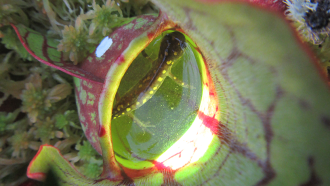
Meat-eating pitcher plants feast on baby salamanders
Scientists didn’t think meat-eating plants in North America ate vertebrates. They now know differently.