Questions for ‘You need to eat protein — but the right mix really matters’
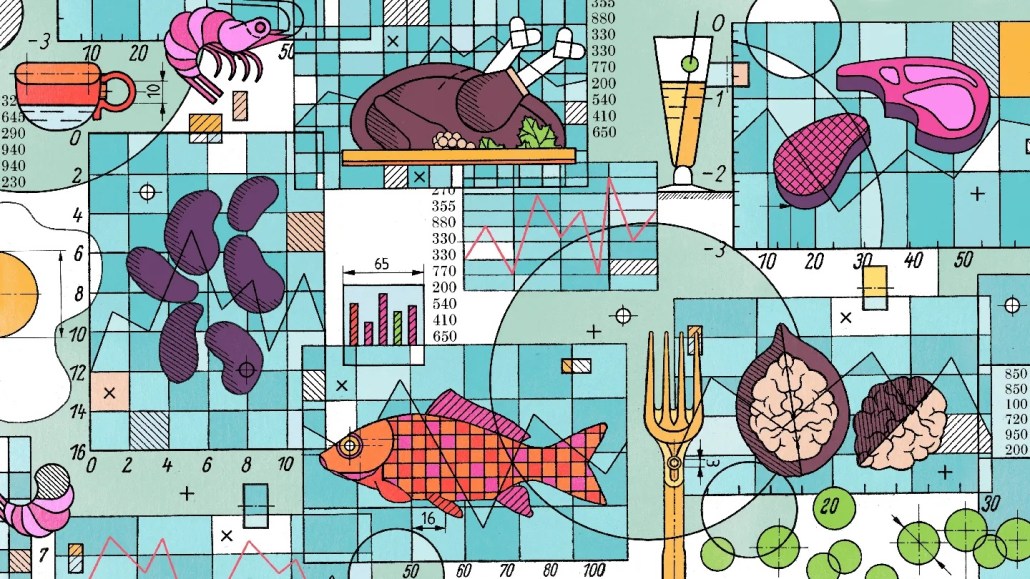
Emerging evidence suggests that in terms of human nutrition, not all sources of protein are equally beneficial.
Christian Gralingen
Share this:
- Share via email (Opens in new window) Email
- Share on Facebook (Opens in new window) Facebook
- Share on X (Opens in new window) X
- Share on Pinterest (Opens in new window) Pinterest
- Share on Reddit (Opens in new window) Reddit
- Share to Google Classroom (Opens in new window) Google Classroom
- Print (Opens in new window) Print
To accompany ‘You need to eat protein — but the right mix really matters‘
SCIENCE
Before Reading:
- How important is protein in your diet? What is an example of a scenario where you might up your protein intake, based on your current understanding?
- What are some good sources of protein? List five. Circle the one that you think has the most value in terms of protein. Explain your selection.
During Reading:
- How many grams of protein per kilogram of body weight per day do U.S. dietary guidelines recommend?
- What makes some proteins higher quality than others? Give an example of a specific food that provides “high-quality” protein.
- How many amino acids can the human body make? How many does that leave that are “essential”?
- If you have 10 bananas and unlimited access to all other ingredients, how many loaves of banana bread can you make using the “recipe” in this story?
- List three of the foods assigned to people in the 2021 study investigating protein absorption.
- What is the purpose of the EAA-9 tool?
- Explain how the amino acid histidine plays into an egg’s EAA-9 score of 15.77.
- How does the EAA-9 score of a tablespoon of peanut butter compare to that of an egg?
- What does this story mean when it describes beans and rice as a high-quality protein pair?
- Describe one treatment method for improving the digestibility of proteins in beans and legumes.
After Reading:
- Consider the analogy of baking banana bread in this story. Come up with an analogy of your own to represent the same idea illustrated by the banana bread analogy. Explain how your analogy relates to protein synthesis in the body.
- Identify a study from this story that suggests that animal protein is of higher quality than plant proteins. Explain how the findings of this study led to this conclusion. Imagine someone read this study and concluded that they must change their diet to prioritize animal proteins over plant proteins. What misunderstandings or misconceptions does this person have? Write out what you could say to the person to address this misconception. Refer to the information in this story to support your answer.
- List five protein-rich foods you eat regularly. Pick two and do a quick internet search to learn about which amino acids they lack. Next, try to identify other foods that are good sources of the specific amino acids those two foods are missing.