Biological Evolution: Unity and Diversity
- Genetics
Explainer: What is epigenetics?
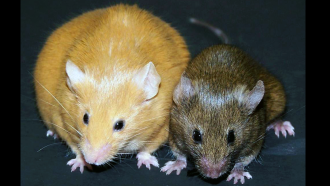
Epigenetics is the study of molecular “switches” that turn genes on and off. Tweak those switches and there could be big health consequences.
- Archaeology
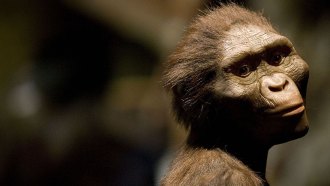
‘Cousin’ Lucy may have fallen from a tree to her death 3.2 million years ago
A contested study suggests that Lucy, a famous fossil ancestor of humans, fell from a tree to her death.
- Brain
Our eyes can see single specks of light
The human eye can detect a single photon. This discovery answers questions about how sensitive our eyes are. It hints at the possibility of using our eyes to study issues of quantum-scale physics.
- Agriculture
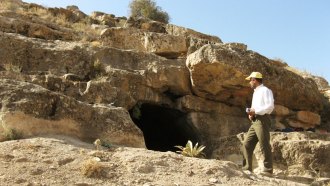
The first farmers were two groups, not one
The humans that began farming 10,000 years ago in the Fertile Crescent may have been two cultures living side-by-side.
- Animals
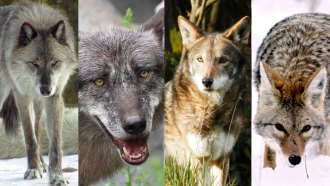
Wolf species shake-up
A genetic study says red wolves and eastern wolves may really be mixtures of coyotes and gray wolves, not distinct species.
- Fossils
Parasites wormed their way into dino’s gut
Tiny burrows crisscross the stomach of a 77-million-year-old dinosaur fossil. These may be tracks left behind by slimy parasitic worms.
- Animals
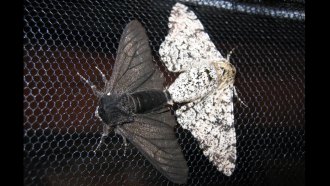
How a moth went to the dark side
Peppered moths and some butterflies are icons of evolution. Now scientists have found a gene responsible for making them so.
- Animals
The turning of wolves into dogs may have occurred twice
The process of turning wolves into dogs, called domestication, may have occurred twice — in the East and the West — ancient DNA suggest.
- Science & Society
Cave holds earliest signs of fire-making in Europe
Ancient burned bone and heated stones in a Spanish cave are the oldest evidence of ancient fire-making in Europe.
- Archaeology
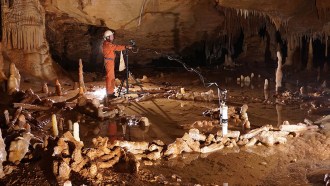
Neandertals: Ancient Stone Age builders had tech skills
Neandertals built stalagmite circles in a French cave 176,500 years ago. These structures show that these ancient human cousins had social and technical skills.
- Archaeology
Hunter-gatherers roamed Florida 14,500 years ago
Tools and bones from a submerged site in Florida show that Stone Age people lived in North America earlier than was once thought.
- Animals
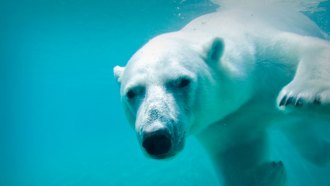
Polar bears swim for days as sea ice retreats
Melting sea ice is forcing polar bears to swim long distances — up to nine days in one case. Such long treks may be more than the bears can handle.