Animals
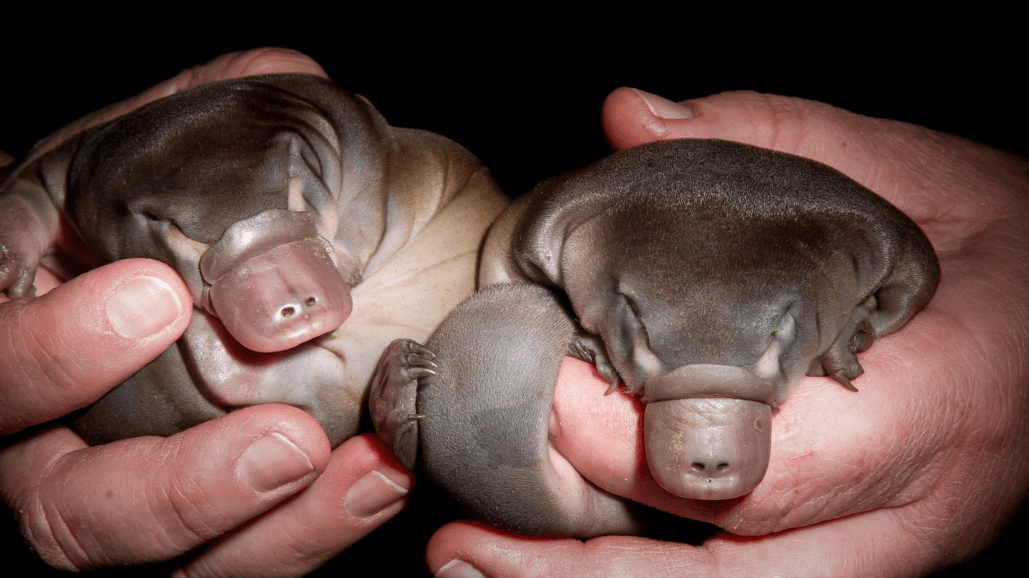
Let’s learn about the platypus
Every new discovery about platypuses reveals them to be even odder than we thought.
Three grand-award winners each took home at least $50,000. Hundreds more teens shared more than $9 million in prizes at the international competition.
In a study of more than 400 mammal species, less than half have males that are heavier than females.
At first, this hedgehog was mistaken for a lookalike relative. But its teeth, skull shape and DNA confirmed it as a new species.
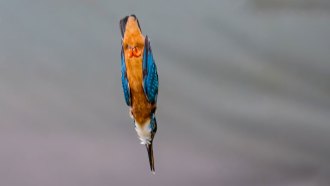
Understanding the genetic adaptations that protect the birds’ brains as they dive might one day offer clues to protecting human brains.
The reptiles’ horns could help or hinder during foraging, depending on how they hunt. This might be why horns evolved in some species and not others.
A finalist at Regeneron ISEF created a wearable patch that turns yellow when someone’s blood-sugar level gets high enough to need an insulin shot.
Pokémon “evolve” into larger, more powerful forms within seconds, but this evolution more closely resembles another biological process — metamorphosis.
Pei-Chih Lee works to preserve genetic material that can help researchers learn more about endangered animals, such as pandas and clouded leopards.
Neandertals are an extinct species closely related to modern humans. They made tools and jewelry, controlled fires and cared for their sick.