Humans
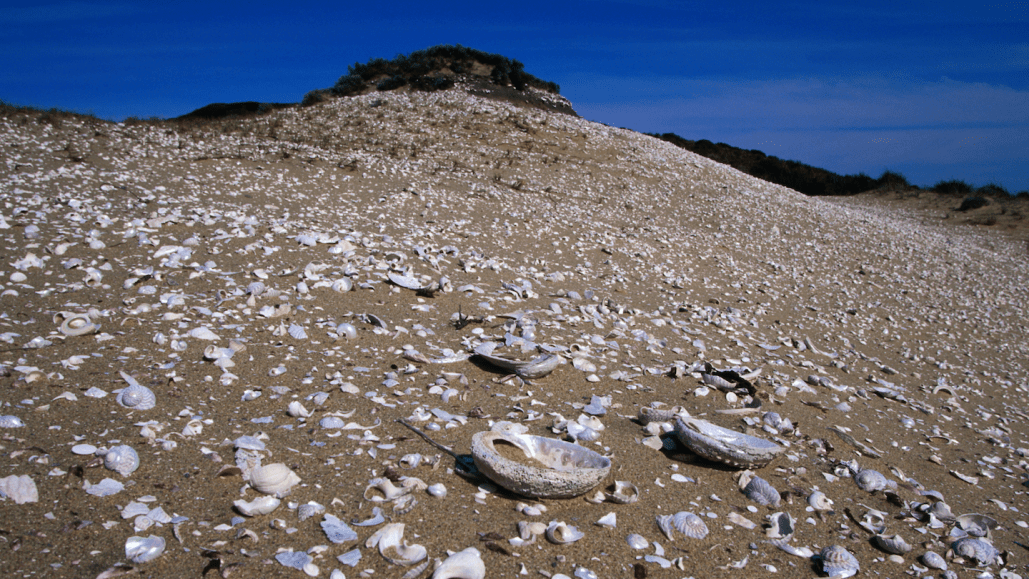
Scientists Say: Midden
One ancient person’s, or animal’s, trash may become an archeologist’s treasure.
A study of ancient artifacts suggests Native American dice games began thousands of years earlier than previously documented.
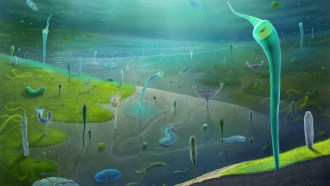
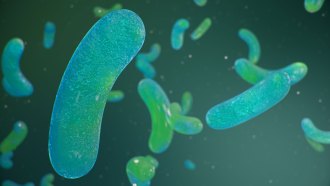
You and all other living things descended from a single organism — our great-grand-germ. Scientists are studying modern genes to learn more about this very distant ancestor.
DNA from Arabian cheetah remains reveals that these now-extinct populations might be replaced by rewilding close cheetah relatives from northwest Africa.
Flint, iron pyrite and fire residues found at an ancient site in England offer the earliest clear evidence of people lighting fires.
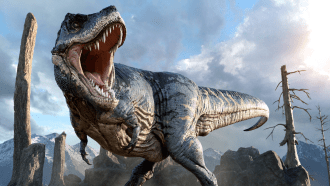
These fearsome predators truly were enormous — with the bone-crushing bite power to match.
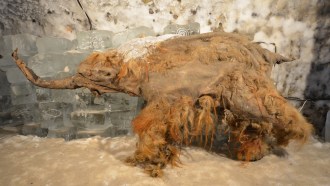
Genetic details from the animal, named Yuka, give a snapshot into its last moments alive. The mammoth had been preserved in permafrost for 40,000 years.
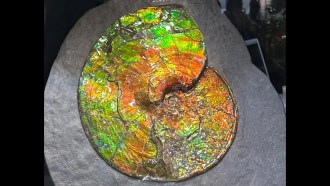
The fossils’ fabulous colors arise from delicate assemblies of crystal plates.
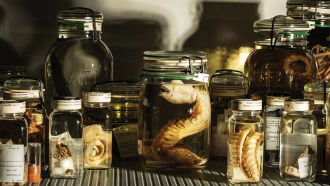
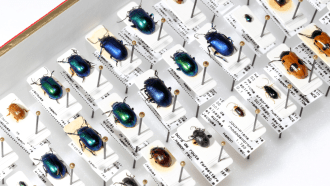
This field of study does more than just organize living things. It also reflects the history of life's evolution.
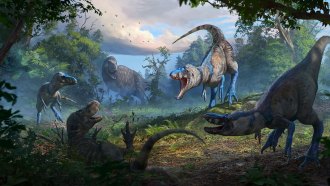
Now known as Nanotyrannus, this mini dino could have roamed the late Cretaceous alongside T. rex.