HS-LS3-1
Ask questions to clarify relationships about the role of DNA and chromosomes in coding the instructions for characteristic traits passed from parents to offspring.
- Genetics
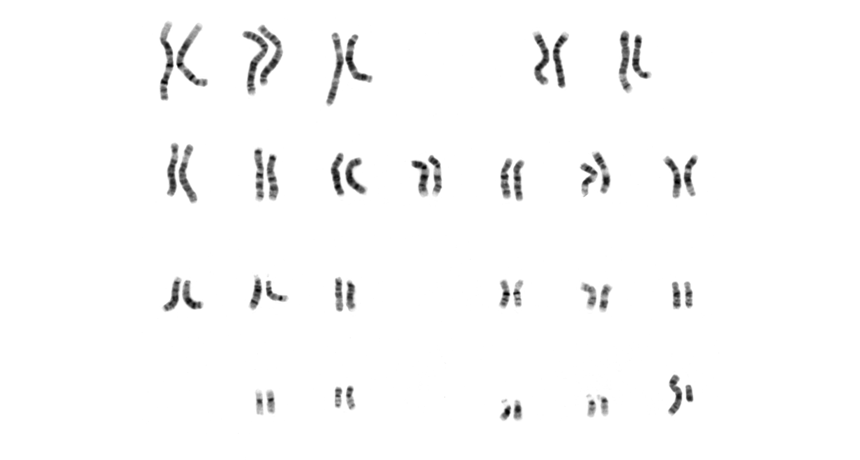
Scientists Say: Chromosome
This threadlike structure is made of DNA wrapped around protein. It allows the 3 billion base pairs in human DNA to stay neatly packaged in a cell.
- Science & Society
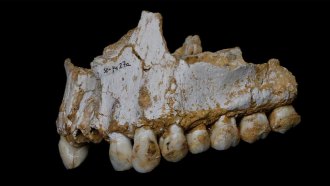
Fossils point to Neandertal diets — and medicine use
Whether Neandertals were largely meat-eaters or vegans depended on their environment, fossils now suggest. Their teeth also indicate they used natural medicines.
- Genetics
How to make a ‘three-parent’ baby
Scientists combined an egg, sperm and some donor DNA: The end result: what appears to be healthy babies.
- Genetics
Explainer: How PCR works
The polymerase chain reaction, or PCR, is like a DNA-copying machine. It duplicates genetic material over and over. Here’s how.
- Agriculture
World’s tallest corn towers nearly 14 meters
Short nights and a genetic tweak helped novel corn reach record heights.
- Animals
Tasmanian devils begin to resist infectious cancer
A deadly contagious cancer is spreading among Tasmanian devils. But the animals are evolving resistance, a new study finds.
- Health & Medicine
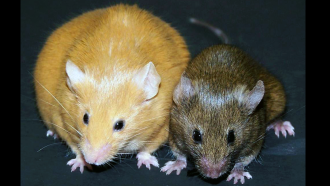
Grandparents’ diet could be a weighty issue for grandkids
Australian scientists have found that fat mice can pass on a heightened risk of obesity to their sons and grandsons.
- Genetics
Explainer: What is epigenetics?
Epigenetics is the study of molecular “switches” that turn genes on and off. Tweak those switches and there could be big health consequences.
- Agriculture
The first farmers were two groups, not one
The humans that began farming 10,000 years ago in the Fertile Crescent may have been two cultures living side-by-side.
- Humans
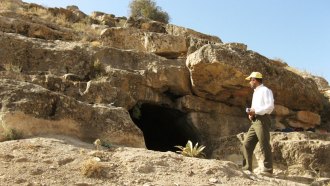
News Brief: Ancient teeth point to Neandertal relatives
New analyses of some teeth found in Siberia indicate that Neandertal cousins known as Denisovans lived there for at least 60,000 years. That would have had them around the same place as modern humans — and at nearly the same time.
- Genetics
DNA: Our ancient ancestors had lots more
Ancestral humans and their extinct relatives had much more DNA than do people today, a new study finds. It mapped genetic differences over time among 125 different human groups.
- Brain
Explainer: Sometimes the body mixes up male and female
Certain medical conditions demonstrate how complicated biology can be. Being genetically male and female will not guarantee that your body won’t sometimes contain one or more features of both.