HS-LS3-1

Ask questions to clarify relationships about the role of DNA and chromosomes in coding the instructions for characteristic traits passed from parents to offspring.

More Stories in HS-LS3-1

  1. Genetics

    Scientists Say: Genome

    This complete set of DNA carries all the basic “how-to” instructions an organism needs to grow, develop and live.

    By
  2. Genetics

    DNA reveals the origin of East Asia’s favorite sweet bean 

    Where those red beans — also called adzuki — came from had been murky. A new study says it all started in Japan.

    By
  3. Health & Medicine

    Multiple-snake antivenom comes from blood of man bitten 202 times

    Tim Friede built immunity to snake venoms through bites and venom injections. His blood proteins now offer antivenom protection against 13 types of snakes.

    By
  4. Animals

    Loss inspired this biologist to study aging

    Juan Manuel Vazquez studies the anti-aging genes that have allowed some animals to evolve to live remarkably long lives.

    By
  5. Genetics

    Orange cats get their ginger color from a single gene ‘cutout’

    The variant gene is found on the X chromosome. This sex-linked trait for orange fur is found only in domesticated cats.

    By
  6. Plants

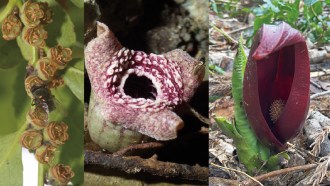
    A genetic trick leaves these stinky plants reeking of rotting flesh

    This DNA tweak in plants harnesses the same molecule behind our bad breath and transforms it into something worse: the stink of rotting flesh or dung.

    By
  7. Animals

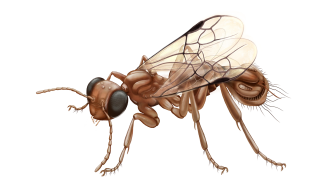
    The rear end of this ancient wasp was built like a Venus flytrap

    The newfound wasp species — from 99 million years ago — likely laid eggs on the small creatures that would have been caught in this trap.

    By
  8. Animals

    Paw-print DNA lets scientists track out-of-sight polar bears

    This environmental DNA can aid in conserving species that are hard or dangerous to observe.

    By
  9. Animals

    Here’s how kingfishers avoid concussions during high-speed dives

    Understanding the genetic adaptations that protect the birds’ brains as they dive might one day offer clues to protecting human brains.

    By