HS-LS3-2
Make and defend a claim based on evidence that inheritable genetic variations may result from: (1) new genetic combinations through meiosis, (2) viable errors occurring during replication, and/or (3) mutations caused by environmental factors.
- Health & Medicine
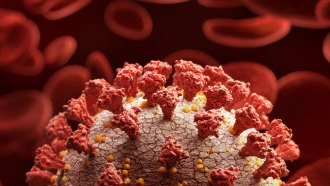
Bringing COVID-19 vaccines to much of world is hard
The price of not vaccinating nearly everyone across the world could be a longer pandemic and more troubling variants of the new coronavirus.
- Genetics
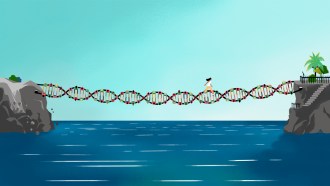
By not including everyone, genome science has blind spots
Little diversity in genetic databases makes precision medicine hard for many. One historian proposes a solution, but some scientists doubt it’ll work.
- Health & Medicine
Some young adults will volunteer to get COVID-19 for science
Researchers will soon give some healthy people the new coronavirus. Their young volunteers have agreed to get sick to speed coronavirus research.
- Animals
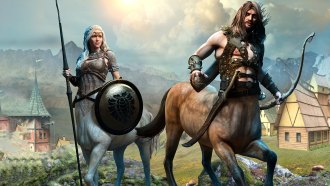
How do you build a centaur?
A centaur has the torso of a human and the body of a horse. It may sound cool, but it wouldn’t work very well.
- Health & Medicine
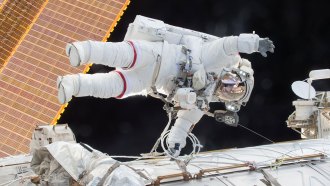
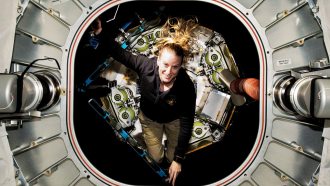
Space travel may harm health by damaging cells’ powerhouses
Biochemical changes after going to space suggest that harm to cells’ energy-producing structures, called mitochondria, could explain astronauts’ health issues.
- Humans
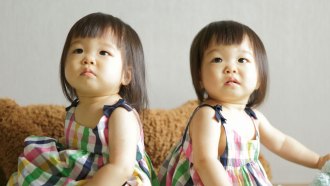
Some identical twins don’t have the exact same DNA
Identical twins may not be exactly identical. Mutations may arise early in development that account for tiny genetic differences between siblings.
- Health & Medicine
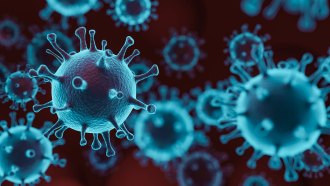
Early details emerge about the new U.K. coronavirus variant
The variant may spread more easily from person to person. That could make continuing to wear masks all the more important, experts say.
- Animals
When physicians and veterinarians team up, all species benefit
When doctors for people and those for animals share their expertise, they can discover new ways to take better medical care of all species.
- Genetics
Gene editing can alter body fat and may fight diabetes
Researchers have long dreamed of using brown fat to fight obesity and diabetes. Work in animals shows they’re closing in on achieving that dream.
- Health & Medicine
Surviving Mars missions will take planning and lots of innovation
Astronauts that go to Mars will need protection from microgravity and radiation, plus mini-medical devices to diagnose problems and manage emergencies.
- Climate
The faster trees grow, the younger they die
As climate change spurs forest tree growth, it also shortens trees’ lives. That results in a quicker release of climate-warming carbon back into the atmosphere.
- Animals
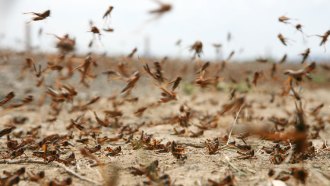
A single chemical may draw lonely locusts into a hungry swarm
Swarms of locusts can destroy crops. Scientists have discovered a chemical that might make locusts come together in huge hungry swarms.