Archaeology
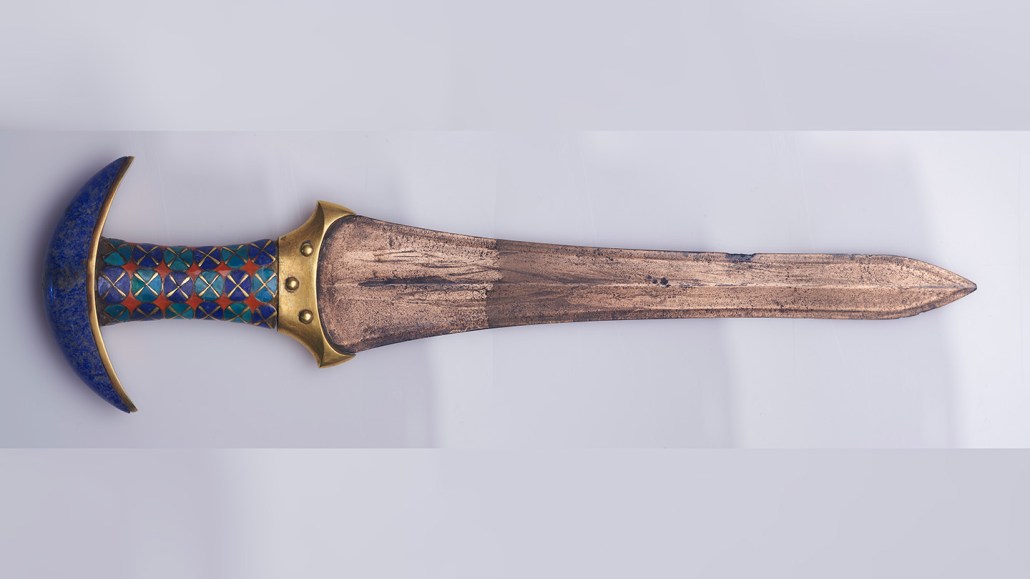
Ancient Egyptian princesses may have been skilled warriors
A study of six mummies from ancient Egypt challenges the idea that the weapons buried with some royal women were merely ceremonial.
By Tom Metcalfe
Decades of aboveground nuclear weapons tests, starting in the 1950s, lightly littered the planet with toxic fallout, which appears to have sickened some people.
Shimon Sakaguchi won for discovering T-reg immune cells. Mary Brunkow and Fred Ramsdell won for showing the cells’ role in autoimmune disease.
Lead has been linked to lower IQ, behavior problems, mental-health disorders, strokes and more health impacts. There are ways to reduce your exposure.
Understanding the genetic adaptations that protect the birds’ brains as they dive might one day offer clues to protecting human brains.
The difference between a dog and a wolf isn’t looks or genes or even behavior. It’s the relationship these animals have with people.
Alexis Mychajliw’s science is driven by her love of animals. She now looks to tar pits and fossilized poop to understand ancient ecosystems.
Neandertals are an extinct species closely related to modern humans. They made tools and jewelry, controlled fires and cared for their sick.
Ayla was treated before birth for the rare, life-threatening Pompe disease. Now a thriving 16-month-old toddler, her treatments will still need to continue.
Many people associate dog breeds with specific behavioral traits. But breed appears to account for only about 9 percent of behavioral differences.