MS-LS1-2
Develop and use a model to describe the function of a cell as a whole and ways parts of cells contribute to the function.
- Agriculture
New gene resists our last-ditch drug
Antibiotic resistance continues to grow. Now, scientists have found a tiny loop of DNA that resists a drug doctors use as a last line of defense.
- Chemistry
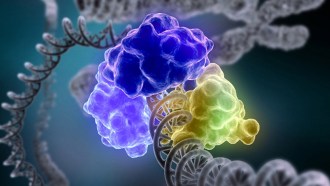
Trio gets chemistry Nobel for figuring out DNA repair
Three researchers have won the 2015 Nobel Prize in chemistry for working out how cells fix damaged genetic material.
- Health & Medicine
New treatments may rally ex-president’s fight against cancer
Former President Jimmy Carter has a potentially lethal type of skin cancer that has already spread to his liver and brain. Recent improvements in medicine may help him fight it.
- Genetics
DNA: Our ancient ancestors had lots more
Ancestral humans and their extinct relatives had much more DNA than do people today, a new study finds. It mapped genetic differences over time among 125 different human groups.
- Health & Medicine
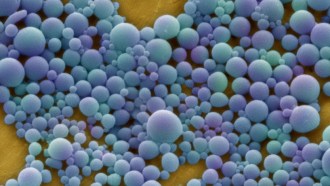
Injected nanoparticles treat internal wounds
Soldiers wounded in a bombing could be treated with a shot of specially designed nanoparticles that stop bleeding and inflammation in the lungs.
- Animals
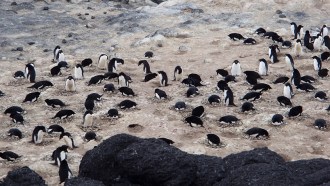
Penguins? How tasteless
Penguins may look all dressed up in tuxedo-wear, but their taste buds are the bare minimum. This means that the birds will never sense more than a hint of their meals’ true flavors.
- Genetics
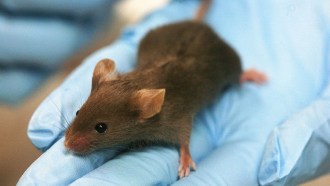
Mice can teach us about human disease
Humans and mice look and act very differently. But 85 to 90 percent of their genes are the same or quite similar. So an international group of scientists is deciphering the instructions in mouse genes to help us better understand our own.
- Chemistry
Air pollution can mess with our DNA
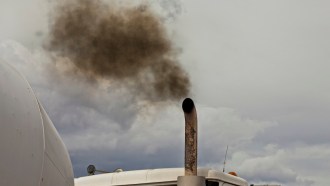
New research suggests a type of air pollution — diesel fumes — can affect your health. It inappropriately switches some genes on, while turning off others.
- Health & Medicine
A whale of a lifespan
Bowhead whales can live more than 200 years. The secret to such longevity may lie in the Arctic species’ genes. Scientists recently mapped the whale’s genetic code. They found features that protect the marine mammal against cancer and other problems related to old age.
- Computing
Virtual wounds: Computers probe healing
To better understand how the body heals wounds, scientists have begun creating computer programs that let virtual cells fight it out. These ‘computer games’ could lead to better medicines.
- Agriculture
Livestock: A need to save rare breeds
New studies and ongoing work highlight why society should save rare livestock breeds — and the part that technology can play.
- Brain
Learning rewires the brain
Brain cells actually change shape as we learn. It’s one way we cement new knowledge. And much of the action happens as we sleep.