Microbes
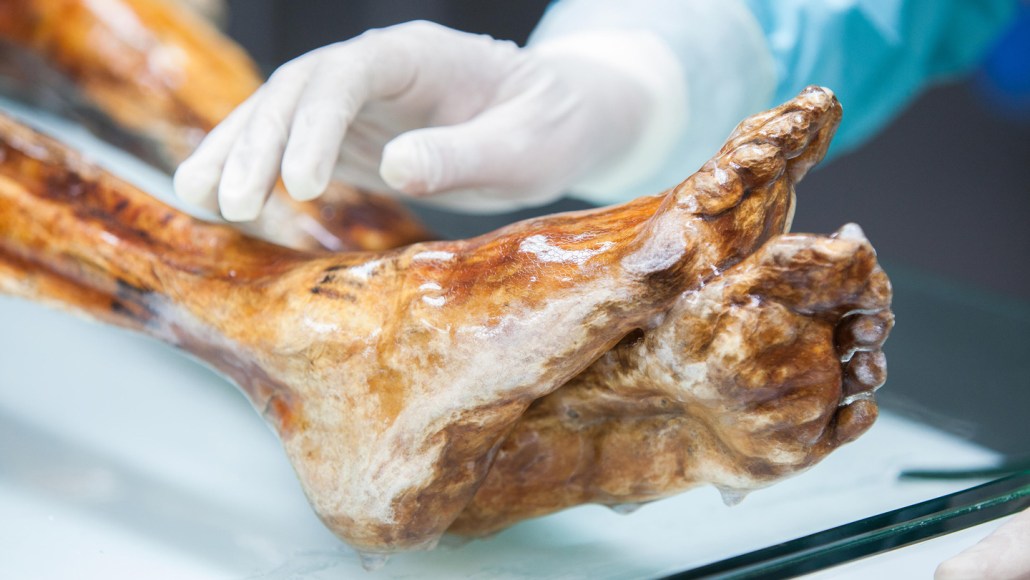
Dormant microbes from Ötzi the Iceman’s body can grow in the lab
These cold-loving yeasts may be thousands of years old. They also suggest the mummy’s remains may not be completely frozen in time.
By Tom Metcalfe
Viruses cause a huge range of illnesses, but vaccines can help protect you against these infections.
These tiny animals can survive drying out, freezing, harsh radiation and other hazards.
It’s hard to believe a packet of dry yeast is full of living things. But feed the yeast the right things, and presto! You’ve got bubbly, oozing mess of life.
Many biological molecules come in a left- and right-handed form — and biology plays favorites.
A. Catalina Vélez-Ortega researches how proteins can protect against hearing loss.
The outbreak shows that a near absence of once-common childhood diseases — like measles — is not evidence that vaccines are unnecessary.
Sally Warring has long been captivated by the beauty of mostly single-celled life forms called protists.
This environmental DNA can aid in conserving species that are hard or dangerous to observe.
DNA machines and protein-mimicking nanotech could replace broken machinery in cells or even lead to made-from-scratch synthetic life.