MS-LS1-2
Develop and use a model to describe the function of a cell as a whole and ways parts of cells contribute to the function.
- Brain
Explainer: What is dopamine?
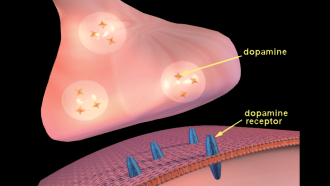
Dopamine is a chemical messenger that carries signals between brain cells. It also gets blamed for addiction. And a shortage of it gets blamed for symptoms of diseases such as Parkinson’s.
- Brain
Explainer: What is neurotransmission?
When brain cells need to pass messages to one another, they use chemicals called neurotransmitters. This sharing of chemical secrets is known as neurotransmission.
- Health & Medicine
Scientists Say: Insulin
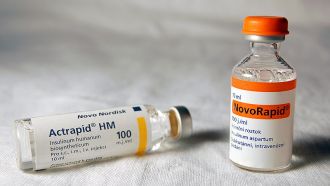
This chemical is a lifesaver. It helps our bodies use the sugars from our food, and without it, people develop diabetes.
- Health & Medicine
Vaping may put your smile at risk
As e-cigarette use among teens rises, scientists find that vaping may cause cellular damage to the mouth, gums and teeth. Even the cells’ DNA was affected.
- Life
Scientists Say: Autophagy
Cells can break down and recycle their parts for later use. This process — called autophagy — won a scientist a Nobel Prize in 2016.
- Health & Medicine
Nobel awarded for unveiling how cells recycle their trash
Cell biologist Yoshinori Ohsumi has won the 2016 Nobel Prize for physiology or medicine for discovering how cells take care of housekeeping.
- Earth
Houseplants suck up air pollutants that can sicken people
Certain indoor air pollutants can sicken people. But some houseplants can remove those chemicals from a room’s air, new data show.
- Brain
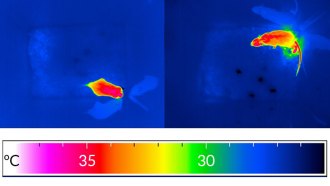
Mice brains hint at how bodies keep their cool
Nerve cells in mice can keep the body cool and may prevent high fevers. The discovery could have implications for obesity and other health issues.
- Life
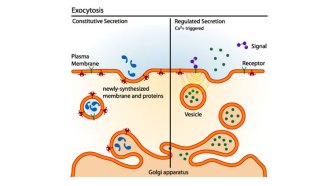
Scientists Say: Exocytosis
For a cell to remove something large from inside itself, it turns to a process called exocytosis.
- Chemistry
Gotcha! New test stalks diseases early
Chemists screen blood for disease markers by adapting a common DNA test. The test can find disease earlier, when it also may be easier to treat.
- Life
Cell recount: People host far fewer germs
Since the 1970s, microbiologists have been saying bacteria outnumber human cells in our bodies by about 10-to-1. A new analysis says that old number was a “fake” fact — and gross exaggeration.
- Health & Medicine
Explainer: What is skin?
The body’s soft, outer armor contains three layers, each with its own important role to play.